
Source CNC Metal Processing Machinery by Material
What Is CNC Metal Processing Machinery
CNC Metal Processing Machinery refers to machine tools and fabrication equipment controlled through programmed commands to cut, drill, mill, turn, shape, or form metal parts. For a procurement team, the main sourcing risk is not choosing an unreliable supplier first. It is choosing the wrong equipment category before sending the RFQ. A machine may appear suitable because it processes metal, yet still be a poor match for the material form, required geometry, production mix, or finishing process. CNC Metal Processing Machinery can include machining centers, CNC lathes, plasma cutting systems, laser cutting systems, and press brakes. These categories do different jobs. Milling removes material from block-like parts. Turning produces rotational parts. Plasma and laser systems cut sheet or plate profiles. Press brakes bend plate after cutting. Before comparing quotations, define the metal grade, stock form, finished-part geometry, annual demand pattern, and secondary operations required.
The basic operating principle is computer numerical control, where programmed instructions direct machine axes, spindle movement, and tool operations. This does not mean every CNC machine produces the same result or solves the same production problem. A buyer sourcing CNC Metal Processing Machinery for shaft production should begin with turning requirements, while a buyer producing housings should examine milling capacity and workholding access. A fabrication shop cutting and bending enclosures requires plate-processing equipment rather than a machining center. The practical definition for buyers is simple: select the machine based on the workpiece and process sequence, not on the broad label of “metalworking machine.” This reduces quotation revisions, avoids buying unnecessary capability, and helps suppliers recommend a configuration that fits the actual production task.
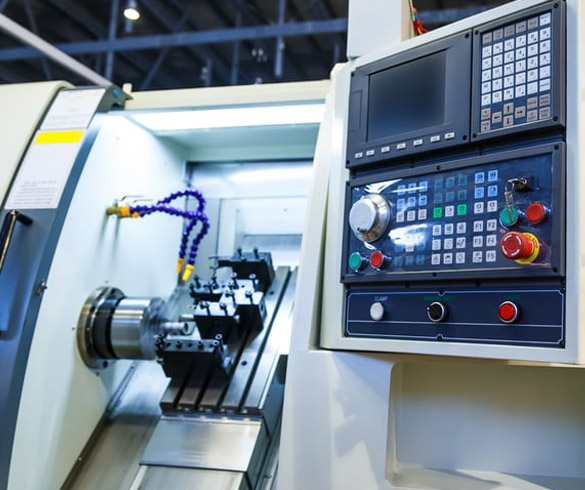
Types of CNC Metal Processing Machinery
CNC Metal Processing Machinery is commonly divided into subtractive machining equipment and plate-fabrication equipment. The correct category depends on whether the buyer starts with bar stock, castings, forgings, billets, sheet, or plate. A CNC machining center is normally selected for prismatic components with faces, pockets, holes, and complex multi-side features. A CNC lathe is normally selected for cylindrical or rotational components such as shafts, sleeves, bushings, and threaded parts. Plasma and laser equipment are generally used to create flat profiles from plate. A press brake is selected when cut sheet or plate must be bent into angles, channels, boxes, or formed panels. The limit is equally important: a machining center does not replace a dedicated plate-cutting line for high volumes of flat blanks, and a press brake does not create internal milled pockets or precision turned diameters.
| Equipment Category | Best Starting Material Form | Suitable Part Features | When It Does Not Fit |
|---|---|---|---|
| CNC machining center | Blocks, billets, castings, forgings | Faces, holes, pockets, contours, multi-side features | Flat profile cutting or primary bending work |
| CNC lathe | Round bar, tube, forged blanks | Diameters, bores, threads, tapers, rotational profiles | Large flat plate profiles or box-shaped housings |
| Plasma cutting system | Steel plate | Plate blanks and general profile cutting | Fine-feature work where the required edge condition needs another process |
| Laser cutting system | Sheet and plate | Detailed flat patterns and nested blanks | Rotational machining or deep material removal |
| Press brake | Cut sheet and plate | Bends, flanges, channels, enclosures | Profile cutting, drilling patterns, or turning operations |
Features That Matter Before Requesting Quotations
When comparing CNC Metal Processing Machinery, buyers should focus on features that affect the actual process rather than collecting long option lists. For a machining center, the key questions are whether the workpiece can be held securely, whether all required faces can be reached, and whether the control supports the programmed machining method. For a lathe, verify the part’s rotational geometry, required bar or chuck workholding approach, and whether secondary milling or drilling operations remain after turning. For plate equipment, assess the material type, thickness range required by your drawings, edge-quality expectations, nesting needs, and whether forming follows cutting. Each check matters because an omitted requirement can transfer cost to downstream work. For example, buying only a cutting machine when the component also needs repeatable bends means adding another supplier, another handling stage, and another quality-control handoff.
- Workholding access: Confirm how the blank will be clamped. Poor access can force extra setups and increase handling risk.
- Part geometry: Separate rotational parts from prismatic parts early. This determines whether turning or milling should lead the process.
- Material form: Bar, casting, billet, sheet, and plate require different loading and machining methods.
- Operation sequence: List cutting, drilling, milling, turning, bending, deburring, and inspection in order. Missing one step causes supplier quotation gaps.
- Production mix: Multi-variety, small-batch work may need flexible fixturing and fewer changeover restrictions. A dedicated setup may not suit this scenario.
For precision mold-related machining, system functions such as intelligent feedforward and quadrant-transition compensation can help address common concerns including overcut marks, quadrant marks, and vibration patterns. These functions are relevant when the required part quality depends on controlled contouring behavior. They should not be treated as a substitute for correct programming, tooling, clamping, maintenance, or inspection. Buyers should submit representative drawings and ask the supplier which configuration and process approach fit the stated application. CNC Metal Processing Machinery should be evaluated as a system of machine structure, control, tooling, fixturing, and process planning rather than as a single catalog item.
Application-Based Sourcing Map That Matches Steel Aluminum Copper and Plate Work to Milling Turning Plasma Laser and Press-Brake Equipment
The material alone does not select CNC Metal Processing Machinery. Steel, aluminum, and copper can each be milled or turned when the part geometry calls for it. Plate work, however, usually begins with profile cutting and may continue to bending. The sourcing map below gives procurement teams a practical starting point. Use it to identify the lead process, then ask suppliers to quote the machine category that supports the full process sequence. This matters because steel plate work and steel shaft work are both “steel” projects but require very different equipment. The map is not a replacement for drawing review. It does not apply where a project has unusual alloys, special finishing requirements, or a process that combines several production methods. In those cases, send drawings and material details with the RFQ.
| Material and Work Type | Preferred Lead Equipment | Why This Is Usually the Best Starting Point | Check Before Buying | Limit of This Recommendation |
|---|---|---|---|---|
| Steel blocks, castings, or forged housings | Milling with a CNC machining center | Suitable for faces, bores, pockets, and multi-side machining | Fixture design, tool access, number of setups, and required surfaces | Not the first choice for flat plate blanks that only need profile cutting |
| Steel shafts, sleeves, bushings, and threaded parts | Turning with a CNC lathe | Rotational geometry is produced from a centerline-based process | Workholding method, bore work, threading needs, and secondary operations | Not suitable for non-rotational plate components |
| Aluminum housings and machined plates | Milling with a CNC machining center | Supports holes, pockets, contours, and finished surfaces in one planned setup sequence | Clamping method, chip control, and workpiece rigidity | Does not replace laser cutting when the task is mainly flat blank production |
| Aluminum round components | Turning with a CNC lathe | Efficient starting process for round profiles, bores, and threads | Part length, chucking approach, and follow-up milling requirements | Use milling instead when the component is mainly prismatic |
| Copper busbars, flat blanks, and formed panels | Laser cutting and press-brake forming | Flat pattern creation can be followed by controlled bends | Flatness, bend sequence, and feature placement near bend lines | Use milling or turning for copper parts requiring machined bores or rotational features |
| General steel plate work | Plasma or laser cutting followed by press-brake forming | Matches the typical sequence of blanking then bending | Required edge condition, hole details, bend locations, and downstream welding | Does not cover machined precision features that need secondary CNC operations |
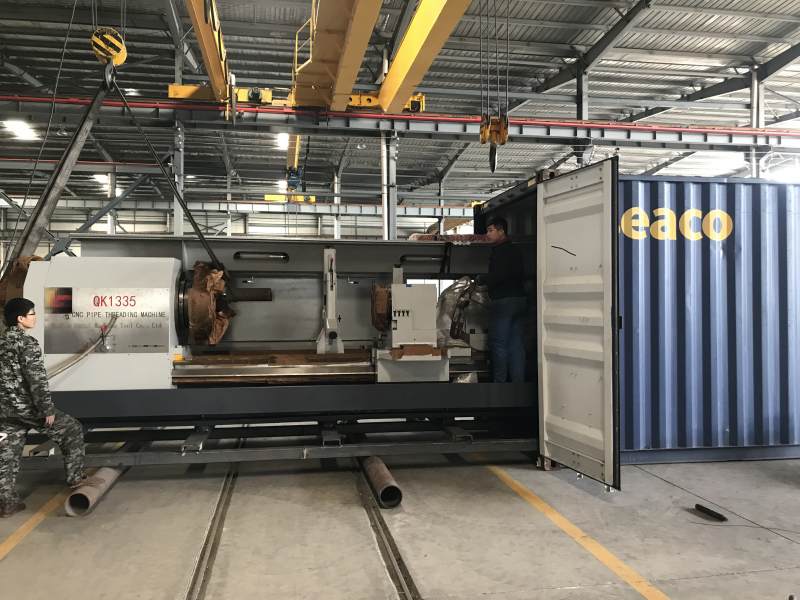
CNC Metal Processing Machinery Applications
Applications should be described to a supplier in terms of part family rather than only industry name. Saying “automotive,” “energy,” or “fabrication” is not enough for an accurate machine recommendation. Instead, identify whether the parts are shafts, housings, flanges, molds, fixtures, brackets, panels, cabinets, or plate assemblies. CNC Metal Processing Machinery for multi-side prismatic parts may need a machining center that supports complete access to several faces in one clamping arrangement. This can be relevant for multi-variety, small-batch production where reducing repositioning supports more controlled processing. A lathe application may involve a family of sleeves and shafts made from round stock. A plate application may involve blanking profiles, forming bends, and preparing parts for welding. The limitation is that no application label can replace a part drawing, material callout, and process requirement.
A practical worked example is a shop sourcing equipment for two separate projects. Project A is a steel shaft with external diameters, an internal bore, and threads. The primary recommendation is a CNC lathe because the core geometry is rotational. Milling may still be required later if the drawing includes flats or cross holes, but it should not lead the sourcing decision. Project B is a steel electrical enclosure with cut openings and formed edges. The lead process is plate cutting, followed by press-brake work. A CNC machining center would be considered only for secondary machined features that cannot be produced in the plate process. This distinction prevents a common purchasing mistake: comparing machining-center quotations against plate-cutting quotations as if they perform the same production task.
CNC Metal Processing Machinery Price Factors
The price of CNC Metal Processing Machinery varies because a quotation reflects more than the base machine category. Buyers should avoid requesting a single “best price” without first defining the part family and scope of supply. The right approach is to request an itemized quotation that separates the machine, selected configuration, tooling or workholding where applicable, commissioning scope, training scope, packaging, freight terms, and after-sales conditions. This makes competing quotations easier to compare. MAKCNC can support single-machine procurement because there is no hard minimum order quantity, while multi-machine purchases may receive improved commercial terms related to price, delivery, or after-sales service. This does not mean multi-machine terms automatically apply to every order. Final commercial conditions should be confirmed in the supplier quotation.
| Price Driver | Why It Changes the Quotation | Buyer Action |
|---|---|---|
| Machine category | A machining center, lathe, laser system, plasma system, and press brake have different functional scopes | Choose the lead process before comparing prices |
| Machine configuration | Control, workholding, tooling support, and selected functions affect supplied content | Request a written configuration list |
| Part size and handling | Workpiece loading and clamping requirements can change the needed setup | Provide drawings and blank information |
| Order quantity | Single-unit and multi-unit procurement may have different commercial terms | State planned purchase quantity and rollout schedule |
| Delivery and service scope | Packaging, shipping terms, installation, and warranty conditions affect total procurement cost | Compare the full commercial offer, not only machine price |
CNC Metal Processing Machinery User Guide
Before operating CNC Metal Processing Machinery, establish a controlled workflow from drawing review through first-part inspection. Start by confirming the material, blank form, workholding approach, cutting tools, programmed operations, and inspection points. Next, verify that the selected machine category matches the primary geometry. Then conduct the first setup with attention to clamping stability and tool access. For multi-face parts, plan the setup sequence before production so the team understands which features are completed in each clamping stage. For plate work, verify the flat pattern and bend sequence before releasing a batch. The reason is straightforward: problems discovered after cutting or bending may create scrap or rework that could have been avoided during process planning. These steps do not apply as a substitute for site-specific safety procedures, qualified operator training, or the machine supplier’s official manuals.
- Review the drawing, material requirement, and finished-part function.
- Identify whether the work is milling, turning, cutting, bending, or a combination.
- Choose the lead machine category based on material form and part geometry.
- Prepare the RFQ with drawings, quantity expectations, target delivery needs, and required support scope.
- Ask suppliers to state included configuration, service terms, and excluded items clearly.
- Review sample availability, inspection expectations, acceptance criteria, and commissioning arrangements before placing the order.
CNC Metal Processing Machinery Supplier
When selecting a CNC Metal Processing Machinery supplier, evaluate whether the supplier can discuss the production process behind the machine request. MAKCNC was established in 2016 and operates multiple production lines with sample-machine inventory. Its product scope includes CNC lathing machines, CNC machining centers, and CNC machines. For buyers sourcing turning equipment, review the available high quality and durable CNC lathe options against the workpiece family and planned operations. For prismatic parts, a professional CNC machining center solution may be the more relevant starting point. Machine bodies commonly use high-strength cast iron, including resin-sand castings, with aging treatment intended to support long-term rigidity and accuracy. Core transmission components such as ball screws and guideways may use high-precision components from Taiwan or Germany, depending on configuration.
Supplier evaluation should also include commercial and service questions. MAKCNC’s usual warranty is 12 months after machine acceptance, with lifetime paid service available. Some tender projects may require different terms, such as three years of free warranty, so buyers should state tender conditions early rather than assume standard coverage. Delivery periods are generally stated as 1 to 6 months, and the applicable period should be confirmed against the ordered configuration and commercial terms. Buyers can also review about MAKCNC information before comparing supplier qualifications and product scope. The right supplier decision is not based only on the lowest quotation. It should match the equipment category, technical configuration, delivery expectation, acceptance method, and after-sales responsibilities to the actual project.
FAQ of CNC Metal Processing Machinery
Should steel always be processed on a CNC machining center
No. Steel is a material category, not a machine category. Steel housings, castings, and block-like components often point toward milling, while steel shafts, sleeves, and threaded parts often point toward turning. Steel plate work usually begins with plasma or laser cutting and may continue to press-brake forming. CNC Metal Processing Machinery should therefore be selected according to stock form and geometry. The limit is that a drawing with both rotational and prismatic features may require more than one operation or machine type.
Can one machine replace milling turning and plate fabrication equipment
Usually, no. Each equipment category is designed around a different primary process. A machining center is intended for milling operations, while a CNC lathe is intended for rotational work. Plasma and laser systems create plate profiles, and press brakes form bends. A buyer may combine processes in one production cell or supply chain, but should not assume one machine replaces the others without a drawing-based review. This is especially relevant when requesting quotations for mixed part families.
What should be included in the first supplier RFQ
Include drawings, material information, blank form, expected purchase quantity, required process sequence, desired delivery terms, and any tender warranty conditions. Also state whether the project needs single-machine procurement or a multi-machine plan. This gives the supplier a usable basis for selecting CNC Metal Processing Machinery and preparing a clearer commercial offer. If you are looking for a CNC machine supplier for steel, aluminum, copper, or plate work, contact MAKCNC for current product quotations and selection advice.