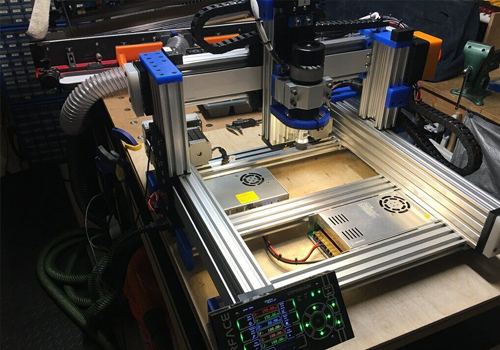
How to Source a Custom CNC Turning & Milling Machine
What is a Custom CNC Turning & Milling Machine?
Custom CNC Turning & Milling Machine refers to a made-to-order machine configuration designed to complete turning, milling, drilling, tapping, and related machining operations around a buyer’s specific part family, production method, tooling plan, and loading requirements. For an OEM buyer, the main sourcing risk is not simply selecting a machine that appears capable on a brochure. The regret usually comes later: the part cannot be held within the required tolerance after a tool change, the quoted cycle time was not demonstrated, or the automation interface was never defined before manufacture. A Custom CNC Turning & Milling Machine should therefore be specified as a manufacturing system, not purchased as a generic machine category. The supplier needs the latest drawing revision, material information, annual and batch demand, target operations, fixture concept, and acceptance criteria before finalizing the solution. This approach suits complex turned parts with flats, cross holes, threads, milled profiles, or multiple faces. It does not suit a simple part that can be produced economically on a standard CNC lathe with one basic secondary operation.
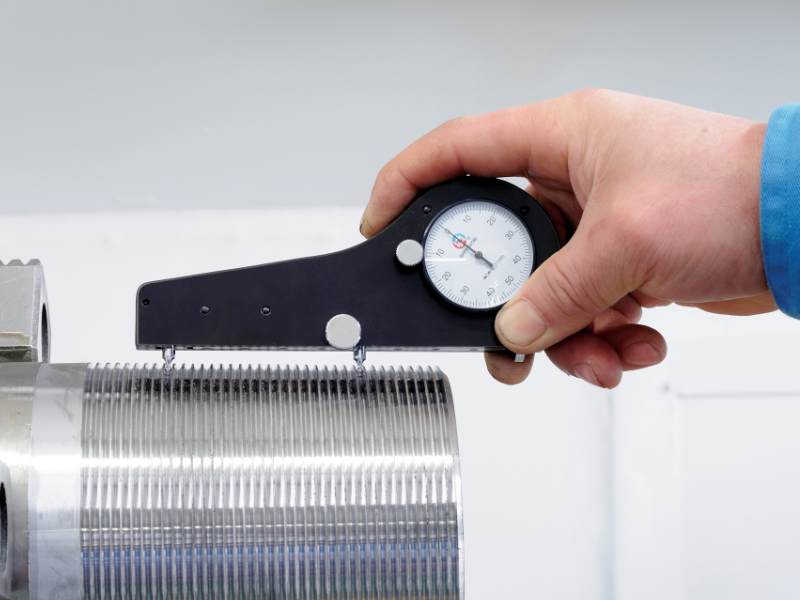
Types of Custom Turn Mill Machine Configurations
Buyers should shortlist machine types according to the number of setups their part currently requires. A Custom CNC Turning & Milling Machine may be configured as a CNC lathe with driven tools, a turn-mill arrangement for more combined operations, or a production cell paired with a separate machining center. The right choice depends on whether the main machining load is rotational turning or prismatic milling. A lathe-based configuration normally fits shafts, sleeves, flanges, fittings, and other workpieces where diameters and threads dominate. A machining-center-based route fits housings or parts with many milled faces. Where a part needs turning and milling in one holding, a combined solution can reduce handling and alignment risk. However, this approach is not automatically the lowest-cost option for low-complexity parts. Ask the supplier to compare the proposed route against your present setup count, fixture changes, operator handling, and inspection steps rather than accepting a machine type by name alone.
| Machine Route | Best-Fit Part Situation | Why Buyers Select It | Limit or Risk |
|---|---|---|---|
| CNC lathe with milling capability | Rotational parts with secondary flats, holes, or threads | Combines core turning work with selected milled features | May not be the preferred route for parts dominated by multiple prismatic faces |
| Turn-mill production configuration | Complex parts requiring turning and milling in fewer holdings | Can reduce transfer between separate machines | Requires a clear tooling, program, and proof-cut plan before purchase |
| Lathe plus machining center | Parts with clearly separated turning and milling operations | Allows each operation to use a dedicated machine type | Adds handling, fixture, scheduling, and alignment control between operations |
| Automated machine cell | Repeat production with defined loading and unloading needs | Can formalize material flow and operator duties | Automation should not be selected before part stability and process requirements are confirmed |
Features That Should Appear in the Technical Specification
The technical specification for a Custom CNC Turning & Milling Machine should convert part requirements into supplier responsibilities. Begin with the workholding method, the part datum scheme, required operations, planned cutting tools, chip-control needs, and the measurement method for each controlled feature. MAKCNC states that its machine bodies commonly use high-strength cast iron, including resin-sand castings, followed by aging treatment to support long-term rigidity and accuracy. Core transmission components such as ball screws and guideways are commonly selected from high-precision Taiwan or German brands. For mold-related accuracy requirements, MAKCNC also describes system functions such as intelligent feedforward and quadrant-jump compensation intended to address issues including overcut marks, quadrant marks, and chatter patterns. These are useful supplier discussion points, but buyers should still require a proof cut on their own representative geometry. Such features matter most when surface appearance and contour transitions are acceptance items. They are less relevant when a part has loose functional requirements and no contour-sensitive surfaces.
- Part datum and clamping position: State which faces or diameters establish the inspection reference. This prevents a supplier from proving a part against a different datum than your quality plan.
- Operation sequence: Identify which features must be completed in one holding. This matters when concentricity or positional relationships can be lost during transfer.
- Tooling responsibility: Specify whether the supplier provides toolholders only, cutting tools, fixtures, probing, or a complete process package.
- Control functions: List any required compensation, probing, program protection, or automation communication requirement rather than assuming it is included.
- Documentation: Require layout drawings, electrical information, operation manuals, acceptance records, and a packing list before shipment approval.
Custom CNC Turning and Milling Machine Applications
A Custom CNC Turning & Milling Machine is commonly considered when production managers want to reduce the number of manual transfers for parts that contain both rotational and milled features. Typical sourcing scenarios include valve bodies, hydraulic components, precision flanges, shafts with cross-drilled holes, mechanical connectors, and mold-related components where surface condition and contour consistency require attention. The best application is not defined by industry name alone. It is defined by the interaction between features. For example, a part with a turned outer diameter, threaded end, milled flat, and radial hole may benefit from a single planned machining route if the relationship between those features is controlled. If those features have no tight relationship and volumes are low, a standard CNC lathe followed by a separate process may remain more practical. Buyers evaluating larger prismatic workpieces should also compare a professional CNC machining center solution with the proposed turn-mill route. The comparison should focus on setup count, part access, fixture complexity, and inspection burden.
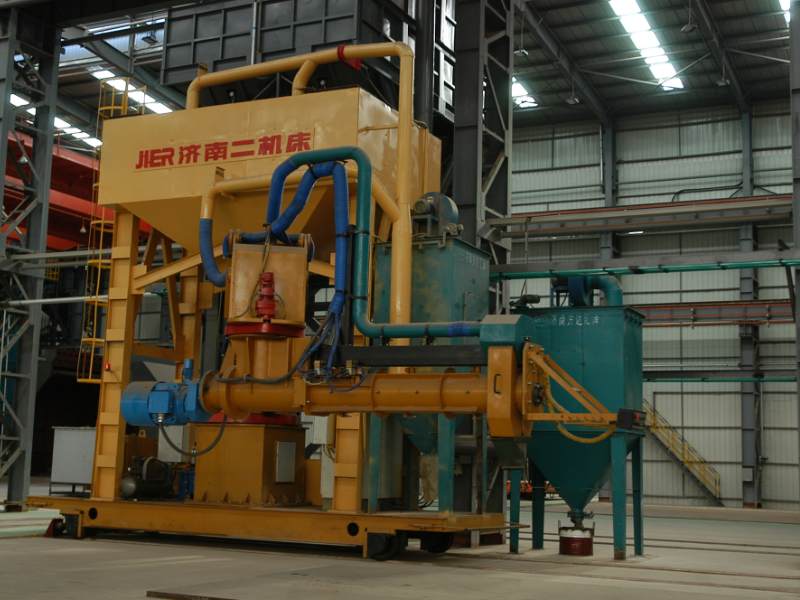
Custom CNC Turning and Milling Machine Price Factors
The price of a Custom CNC Turning & Milling Machine changes with the scope of the machine and the scope of the delivered process. Buyers should avoid comparing quotations that describe different responsibilities under the same machine name. One quotation may include only the machine body, while another may include fixture design, selected tooling, process verification, loading interface, documentation, and commissioning support. The lower figure can create a larger project cost if essential items are later treated as extras. Request a quotation that separates machine configuration, options, tooling, workholding, automation interface, transport terms, installation support, training, and spare-parts recommendations. MAKCNC can support single-machine purchasing without a hard minimum order quantity, while multi-machine orders may qualify for improved commercial terms on price, delivery, or after-sales support. This flexibility fits buyers validating a new part program before wider deployment. It does not remove the need to define acceptance terms before issuing the purchase order.
| Quotation Element | Why It Changes Price | Buyer Action |
|---|---|---|
| Base machine configuration | Turning, milling, workholding, and control requirements can differ by project | Ask for a line-by-line configuration list, not only a model name |
| Fixture and tooling scope | Part-specific fixtures and tool packages can be separate from the machine price | Confirm ownership, drawings, and supplier responsibility for each item |
| Automation requirement | Loading, unloading, safety interfaces, and communication requirements affect project scope | Define the material format, handoff point, and operator role before quotation |
| Acceptance and commissioning | Proof cuts, inspection records, and site work require planning | State where acceptance occurs and who supplies material and gauges |
| After-sales terms | Support scope affects operating risk after delivery | Record response expectations and warranty conditions in the contract |
A Part Feature to Acceptance Test Method Before Supplier Selection
Before shortlisting a Custom CNC Turning & Milling Machine supplier, use a part-feature-to-acceptance-test method. The clear conclusion is simple: do not approve a supplier based only on machine configuration, drawings, or stated capability. Require the supplier to show how each important part feature will be produced, inspected, and accepted. This method matters because a machine can cut an individual feature but still fail to maintain the relationship between features after clamping, tool changes, machining sequence changes, or loading automation. The method suits OEM projects where first-article approval, cycle-time planning, and repeatability affect launch decisions. It may be excessive for a noncritical spare part with no defined production target, but it is still useful to document the features that cannot be reworked. The buyer should provide the controlled drawing, material, surface requirements, sample quantity, target output, and measurement rules. The supplier should return a signed acceptance plan before manufacturing begins.
| Part Feature or Requirement | Acceptance-Test Definition | Why the Check Matters | Risk if It Is Missing |
|---|---|---|---|
| Controlled diameters, threads, bores, and milled faces | List the drawing tolerance and the gauge or measurement method to be used during the proof cut | Links the machine process to the buyer’s actual inspection standard | Supplier and buyer may approve different interpretations of the drawing |
| Feature relationships from one clamping | Identify the datums, clamping arrangement, and features that must be demonstrated in one holding | Confirms that the planned route protects alignment between features | Transfer error may appear only after the machine arrives |
| Cycle-time target | State the target cycle time, included loading assumptions, tool-change assumptions, and required proof-cut quantity | Prevents an optimistic time from being quoted without matching operating conditions | Production capacity calculations can be wrong |
| Surface or contour-sensitive areas | Mark the required surfaces and define visual, roughness, or profile acceptance rules from the drawing | Focuses testing on the surfaces that affect function or appearance | Chatter marks, overcut marks, or quadrant marks may be disputed after delivery |
| Automation requirement | Define raw-material condition, loading point, unloading point, orientation, safety interlock, and manual intervention allowed | Turns a general automation request into a testable responsibility | Machine and automation boundaries may be incompatible |
| Proof-cut records | Require programs, inspection reports, photos where appropriate, and a signed acceptance record | Creates a usable handover file for production and future service | There is no agreed evidence of what was accepted |
Step by Step Supplier Shortlisting Procedure
- Freeze the drawing revision and mark all controlled dimensions, datums, threads, surface requirements, and functional interfaces.
- Separate must-hold features from features that can be completed in a later operation.
- Send the same RFQ package to each candidate supplier, including annual demand, batch size, material, part weight, and target production method.
- Ask each supplier to return a proposed operation sequence and identify the features produced in each clamping.
- Request a proof-cut plan with tolerances, cycle-time targets, measurement method, and automation conditions stated in writing.
- Compare quotations using matched scope, then place the acceptance plan into the purchase contract.
Custom CNC Turning and Milling Machine User Guide
Once a Custom CNC Turning & Milling Machine is delivered, the production team should protect the approved process rather than treating the first accepted program as final forever. Start with documented setup instructions, approved tooling positions, fixture clamping checks, material identification, and the same inspection datums used during the proof cut. The operator should know which dimensions require first-piece inspection, what tool-life decision triggers an offset review, and who can change the machining program. For parts with combined turning and milling operations, uncontrolled fixture replacement or a changed clamping sequence can affect feature relationships even when individual dimensions remain acceptable. Keep the acceptance part, inspection report, and approved program revision as controlled production references. MAKCNC normally provides a 12-month warranty after complete machine acceptance and offers lifetime paid service. Some tender projects may require different terms, such as three years of free warranty. Confirm the applicable warranty and service terms in the purchase agreement rather than relying on a general assumption.
- Before every production start: Verify fixture condition, tool identification, material, program revision, and datum alignment.
- During first-piece approval: Measure the features listed in the acceptance plan before releasing the batch.
- After a tool or fixture change: Recheck the features affected by that operation instead of inspecting only the changed feature.
- For service planning: Keep the machine serial information, alarm history, program backup, and inspection records together.
FAQ of Custom CNC Turning and Milling Machine
Should a buyer send a finished sample part? A finished sample can help explain surface expectations and clamping concerns, but it should not replace a controlled drawing and written acceptance plan. Can one machine replace every turning and milling operation? Not always. The answer depends on part geometry, workholding access, required output, tool plan, and whether the critical features need to remain in one clamping. What should be included in an RFQ? Include the latest drawing, material, target batch size, expected annual demand, current process route, quality requirements, desired automation level, delivery destination, and acceptance-test request. When should a buyer choose a separate lathe? A separate CNC inclined bed lathe can be a practical option when turning dominates and secondary machining is limited. Can a supplier provide custom equipment? The buyer should ask for written confirmation of the proposed configuration, technical boundaries, and proof-cut conditions before any order is released.
Custom CNC Turning and Milling Machine Supplier Selection
MAKCNC is a CNC machine supplier established in 2016, with multiple production lines and sample-machine inventory. For buyers sourcing a Custom CNC Turning & Milling Machine, the useful starting point is a complete RFQ package and a direct discussion of the required proof cut, inspection method, production route, and commercial scope. MAKCNC supplies CNC lathing machines, CNC machining centers, and customized equipment for project-specific requirements. The company states that its after-sales network typically targets a response within 8 hours and on-site fault handling within 48 hours, subject to the applicable service arrangement and location. A buyer should treat those service points as contractual items where they are required for the project. For company background and product scope, review about MAKCNC, professional CNC lathing machine manufacturer. If you are looking for a Custom CNC Turning & Milling Machine supplier, contact MAKCNC with your drawings to request the latest quotation.