Source a Standard Horizontal Machining Center
Standard Horizontal Machining Center is a CNC machine designed mainly for machining prismatic parts from several sides after one setup. Its spindle is arranged horizontally, allowing the machine to approach workpiece faces that are difficult to reach efficiently on a vertical model. For a procurement team, the sourcing risk is not simply choosing a machine with a suitable brochure description. The costly mistakes usually appear later: a pallet that cannot hold the real fixture, a spindle taper that does not match existing tooling, too few magazine positions for the intended process, or an acceptance test that does not reflect the buyer’s actual parts. A Standard Horizontal Machining Center should therefore be shortlisted against the drawings, fixtures, tool list, quality plan, and planned production mix before an RFQ is released.
What Is a Standard Horizontal Machining Center?
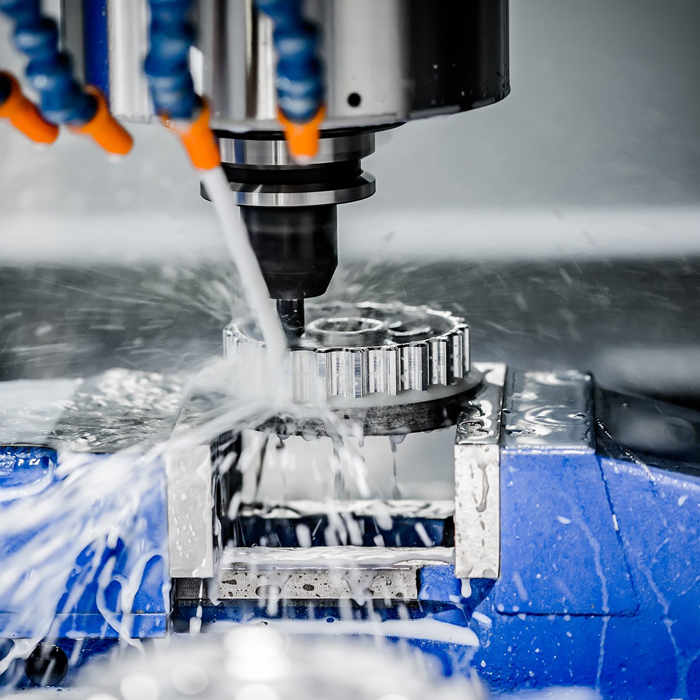
A Standard Horizontal Machining Center is a production-oriented machining center with a horizontal spindle layout, normally selected for components that need milling, drilling, boring, tapping, and machining on multiple faces. The term “standard” usually means the buyer is considering an established machine platform rather than starting with a fully bespoke design. This can suit factories that need a defined specification, predictable documentation, and a practical route to formal quotation. The machine category is especially relevant when parts have several machined faces, repeated hole patterns, or features that benefit from being completed in one clamping arrangement. A horizontal arrangement can also support improved chip fall-away in many operations, although actual chip control depends on the material, coolant method, tooling, program, and fixture design. Buyers should define the workpiece family first, then assess machine architecture rather than selecting solely by machine appearance or a single advertised feature.
Types of Horizontal Machining Center Configurations
Before comparing suppliers, separate the common configuration choices because they affect production planning, operator involvement, fixture investment, and capital cost. A Standard Horizontal Machining Center may be considered with a single pallet arrangement for lower-volume work, or with pallet-changing capability where production continuity matters more. Buyers may also compare compact machines for smaller housings with larger-frame machines for heavier fixtures and larger castings. These categories are not interchangeable. A single-pallet format may fit a job shop handling varied work and frequent engineering changes, while a pallet-changing format can fit repeat orders where one fixture is prepared while another part is being machined. Do not assume that a more automated configuration is always the better purchase. If the order mix changes constantly and fixtures are rarely repeated, the additional equipment may not provide a suitable return.
| Configuration focus | Best-fit scenario | Why it matters | When it may not apply |
|---|---|---|---|
| Single-pallet machine | Low-volume or mixed-part production | Supports a simpler workflow and may reduce fixture duplication | Less suitable when loading time repeatedly interrupts production |
| Pallet-changing machine | Repeat prismatic parts with planned fixtures | Allows loading activity to be organized separately from machining time | May not justify its added investment for irregular one-off work |
| Compact work envelope | Small housings and limited factory space | Helps avoid paying for unused capacity | Not suitable if fixtures or future parts exceed pallet limits |
| Larger-frame format | Heavier fixtures or larger workpieces | Provides room for the planned setup and machining access | Can be inefficient if most work is small and simple |
For buyers also comparing vertical equipment, a professional cnc machining center solution can help frame the choice between vertical and horizontal machine layouts. The useful comparison is based on part geometry and clamping sequence, not on a general belief that one layout is superior. A vertical machine can be a sensible choice for parts primarily machined from the top face, while a Standard Horizontal Machining Center may be the stronger candidate for multi-face prismatic components that benefit from fewer manual re-clamps.
Features to Evaluate Before Requesting Quotations
The most useful feature review starts with process compatibility. Ask suppliers to state the spindle taper offered, pallet dimensions, tool magazine capacity, axis travel, control configuration, fixture interface, chip-management arrangement, and available options in the proposed quotation. Do not accept generic wording such as “high precision” as a purchasing criterion. Instead, request drawings, layout information, specification sheets, and a written list of what is included versus optional. MAKCNC was established in 2016 and operates multiple production lines with sample machines in stock. Its machine structures commonly use high-strength cast iron, including resin-sand castings, with ageing treatment intended to support long-term rigidity and accuracy. Core transmission components such as ball screws and guideways commonly use high-precision Taiwanese or German brands. The exact build should still be confirmed for the quoted model, because procurement decisions should rely on the agreed configuration rather than assumptions.
- Machine structure: Confirm the specified casting and treatment approach when rigidity and long-term stability are part of the application requirement.
- Transmission components: Request the quoted ball screw and guideway brand or specification rather than relying on a general statement.
- Control functions: For mold-related precision work, ask whether intelligent feedforward and quadrant-transition compensation are included in the proposed system.
- Multi-face capability: Confirm how the intended fixture and program will complete the planned faces in one clamping where that is the production goal.
- Service terms: Put warranty coverage, response expectations, commissioning scope, and paid lifetime service terms into the commercial record.
A Sourcing Checklist That Ties Pallet Size, Spindle Taper, Tool Magazine Capacity, and Factory Acceptance Tests to Prismatic-Part Requirements
The right sourcing checklist connects each machine specification to a production risk. For prismatic parts, pallet size is not a catalog detail; it determines whether the complete fixture, workpiece, clamps, locating elements, and tool-clearance zone can be accommodated safely. Spindle taper is not merely an interface label; it affects whether the buyer can use its existing toolholders and whether the proposed tooling plan is realistic. Tool magazine capacity matters because a multi-face process often requires cutters, drills, taps, boring tools, probes, and spare tools. If the magazine is too small, operators may interrupt cycles for manual tool changes, reducing the value of one-clamping machining. Finally, a factory acceptance test should demonstrate the buyer’s defined requirements rather than a supplier-selected sample program. Use the actual drawing or a mutually approved representative part where possible.
| Check item | Question to send with the RFQ | Risk if omitted | Suitable decision rule |
|---|---|---|---|
| Pallet size | Can the proposed pallet hold the workpiece, fixture, clamps, and required machining clearance? | A fixture may fit on paper but prevent tool access or safe loading | Approve only after reviewing a fixture layout or dimensional drawing |
| Spindle taper | Which taper is supplied, and does it match the planned toolholder inventory and tooling plan? | Additional tooling purchases or incompatible holders may delay startup | List every intended holder type before comparing offers |
| Tool magazine capacity | How many tools does the representative process require, including required spare tools? | Manual changes can increase cycle interruption and setup burden | Use the real process tool list, not an estimated number |
| Factory acceptance test | Which drawing, program, measurement method, and acceptance points will be used? | Acceptance may prove a different capability than the buyer needs | Attach an agreed acceptance protocol to the purchase order |
A workable procedure is simple but needs discipline. First, classify parts by material, maximum fixture footprint, number of faces, hole types, and annual order pattern. Second, prepare a representative tool list that includes drilling, tapping, milling, boring, and inspection needs. Third, identify the current toolholder interface and decide whether new holders are acceptable. Fourth, share the part drawing and a fixture concept under the appropriate confidentiality arrangement. Fifth, ask each supplier to return a completed compliance matrix instead of a general quotation. Sixth, define the factory acceptance test protocol with measurable drawing requirements, approved inspection equipment, operating conditions, and documentation expectations. This approach fits serious supplier evaluation. It is less useful only when buying a basic machine for non-critical prototype work with no defined repeat process.
Applications and Process Fit for Prismatic Parts
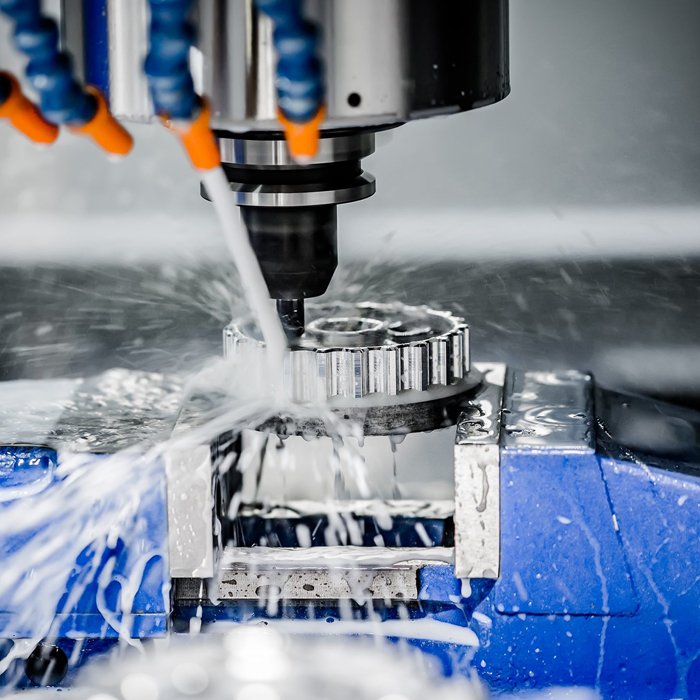
A Standard Horizontal Machining Center is usually considered for housings, valve bodies, pump bodies, gearbox-related parts, mold components, and other prismatic workpieces requiring machining on more than one face. The strongest application case is not simply “the part has holes.” It is a part where repeated re-clamping would create handling time, datum variation, or access problems. For example, a machined housing with features on several sides may benefit when the fixture and program allow those faces to be completed in one planned clamping sequence. This can reduce manual handling steps, but it does not remove the need for sound datum selection and fixture design. Thin-walled parts, poorly supported castings, and features with difficult reach may still require special workholding or an alternative process. Buyers should ask suppliers to comment on the proposed part orientation, tool access, and expected fixture concept rather than requesting only a machine price.
Standard Horizontal Machining Center Price Factors
Price comparisons should separate the machine base price from the commercial and technical items that determine the real project cost. A Standard Horizontal Machining Center quotation can vary according to pallet arrangement, spindle taper, tool magazine capacity, automation choices, control system, workholding scope, tooling, installation support, packaging, freight, destination requirements, and after-sales terms. MAKCNC does not impose a hard minimum order quantity, and one machine can be purchased. Multi-machine purchases may receive improved commercial terms in price, delivery, or after-sales support. Typical delivery timing is stated as 1 to 6 months, but the confirmed schedule must be written into the individual quotation because configuration and order conditions affect it. Avoid selecting the lowest initial figure if it excludes items needed for the actual production plan.
| Cost area | What to request | Reason for checking |
|---|---|---|
| Base machine | Model and standard included equipment | Prevents comparisons between different base configurations |
| Process options | Pallet system, magazine, control functions, and chip-related equipment | Shows whether the quoted machine supports the intended part mix |
| Workholding and tooling | Fixture scope, holders, cutters, probes, and setup accessories | These items can determine whether production can start after installation |
| Commercial terms | Lead time, shipment terms, commissioning scope, and warranty record | Reduces unexpected responsibility between buyer and supplier |
Installation and User Guide for Procurement Handover
Procurement should prepare an installation handover file before placing the order. Start by confirming the site layout, access route, electrical requirements, foundation expectations, lifting plan, coolant and chip-handling plan, and responsible personnel for acceptance. Then align the startup process with the part family: fixture readiness, toolholder availability, cutting-tool procurement, measuring equipment, operator training, CNC programs, and first-article inspection. A Standard Horizontal Machining Center cannot be evaluated fairly if it arrives before the buyer has prepared the tools and fixture needed for the agreed test part. For mold-industry precision tasks, MAKCNC’s advanced system integration can include intelligent feedforward and quadrant-transition compensation intended to address common overcut marks, quadrant marks, and vibration-related surface marks. Confirm applicability with the supplier because controls and options should match the quoted machine and machining task.
- Approve the final machine specification and option list.
- Issue the representative part drawing and acceptance protocol.
- Confirm fixture design responsibility and delivery timing.
- Prepare tooling and measuring equipment before shipment arrives.
- Review installation conditions with the supplier and site team.
- Run acceptance machining against the agreed protocol.
- Record final settings, inspection records, and service contacts.
Common Supplier Evaluation Mistakes
The most frequent error is buying capacity without validating process fit. Another is treating a brochure tool magazine figure as adequate without counting the real tools needed for the selected part. A third error is accepting a broad warranty statement without defining what starts the coverage period, who provides commissioning support, and how service requests are handled. MAKCNC typically provides a 12-month whole-machine warranty after acceptance, plus paid lifetime service. Certain tender projects may require a higher level, such as a three-year free warranty, so buyers should state this requirement before quotation. Mature after-sales networks may commit to an 8-hour response and on-site fault handling within 48 hours, but buyers should confirm whether this applies to their location and order terms. A Standard Horizontal Machining Center should be selected through documented compliance, not through informal assurances.
- Mistake: Sending an RFQ without a fixture concept. Correction: Provide pallet footprint and clamp-clearance requirements.
- Mistake: Comparing only base prices. Correction: Compare a line-by-line scope including installation and process options.
- Mistake: Leaving acceptance testing undefined. Correction: Attach the approved test process and measurement method.
- Mistake: Assuming service conditions are universal. Correction: Request written regional service coverage and escalation contacts.
Standard Horizontal Machining Center Supplier Evaluation at MAKCNC
MAKCNC supplies CNC lathing machines, CNC machining centers, and CNC machines for export-oriented B2B buyers evaluating production equipment. When shortlisting a Standard Horizontal Machining Center supplier, ask for the machine proposal, compliance matrix, acceptance-test plan, delivery schedule, warranty terms, and support scope as one package. MAKCNC has operated since 2016, with multiple production lines and sample-machine inventory. For projects requiring a different process arrangement, buyers can also discuss customized cnc machines and machining centers from makcnc. A supplier discussion is most productive when the buyer provides part drawings, production expectations, existing tooling information, and destination-country requirements early. This gives engineering and procurement teams a clearer basis for technical selection and commercial comparison.
FAQ of Standard Horizontal Machining Center Sourcing
Should a buyer request a machine demonstration before ordering?
Yes, when the part is high value, difficult to fixture, or subject to defined quality requirements. The demonstration or factory acceptance test should use an agreed representative part, approved tools, and documented measurement points where practical. A generic demonstration can show basic machine motion but may not prove access, fixture stability, tool reach, or the intended machining sequence.
Is a pallet-changing system required for every buyer?
No. It fits repeat production where loading and machining need to be organized separately. For mixed low-volume work, a simpler configuration may be more appropriate. The decision should be based on part repetition, fixture availability, labor planning, and the value of reduced idle time rather than on automation alone.
What information should be included in the first RFQ?
Include part drawings, material information, workpiece and fixture dimensions, target production pattern, tool list, requested spindle taper, desired tool magazine capacity, destination, acceptance requirements, and any required warranty terms. This reduces quotation revisions and helps suppliers identify any mismatch before the purchase order stage.
If you are sourcing a Standard Horizontal Machining Center supplier, contact MAKCNC for current quotations and selection advice based on your drawings.