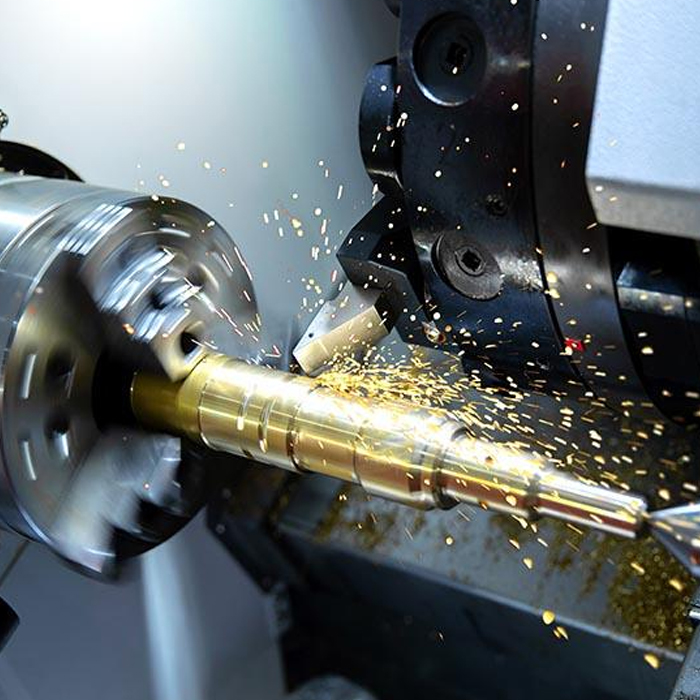
Sourcing a Hydraulic Chuck CNC Slant Bed Lathe for Production
A Hydraulic Chuck CNC Slant Bed Lathe is a precision turning machine designed for high-efficiency and high-accuracy manufacturing. Its core components define its function: the slant bed provides superior rigidity and chip evacuation, the Computer Numerical Control (CNC) system automates complex cutting paths, and the hydraulic chuck delivers strong, consistent gripping force for holding workpieces securely during high-speed rotation and heavy cutting. This combination is essential for industries where both speed and precision are required. At MAKCNC, our machines are built on a foundation of high-strength cast iron, such as resin sand castings, which undergo an aging treatment to ensure long-term dimensional stability and rigidity. This robust construction is critical for maintaining accuracy over years of demanding production cycles.
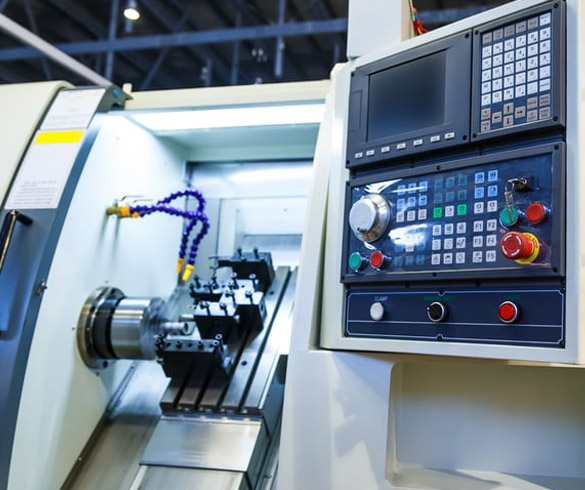
What is a Hydraulic Chuck CNC Slant Bed Lathe?
To understand this machine, it's best to break down its name. The "Slant Bed" refers to the angle of the machine's main structure, which allows gravity to assist in removing metal chips away from the cutting zone, preventing buildup that can damage the part or tooling. "CNC" indicates that its movements are controlled by a computer, allowing for the precise and repeatable production of complex shapes. The "Hydraulic Chuck" is the workholding device. It uses hydraulic pressure to actuate the jaws, providing a very high and consistent clamping force that is vital for heavy-duty cutting or maintaining tight tolerances on production runs. Unlike manual chucks, its force is programmable and repeatable, reducing operator-to-operator variance and ensuring every part is held with the same pressure. This makes the entire system ideal for automated or semi-automated environments where consistency is paramount.
Choosing Your Workholding: Hydraulic vs. Pneumatic vs. Manual Chucks
Selecting the right chucking system is a critical decision that directly impacts cycle time, part quality, and operational cost. A hydraulic system is not always the best fit, and understanding the trade-offs is key to configuring a machine that matches your production needs. The primary difference lies in the power source and the resulting clamping characteristics. Hydraulic systems use incompressible fluid to generate high force, while pneumatic systems use compressed air, and manual systems rely on operator strength. Use the following table to determine the best fit for your specific applications.
| Criterion | Hydraulic Chuck | Pneumatic Chuck | Manual Chuck |
|---|---|---|---|
| Gripping Force & Consistency | Very High & Highly Consistent. Ideal for heavy cutting and holding large parts. | Medium & Consistent. Good for lighter parts or materials prone to distortion. | Variable. Depends on operator strength and can lead to inconsistency between shifts. |
| Cycle Frequency | Excellent for high-frequency, automated production. Fast clamping and unclamping. | Very fast actuation, suitable for high-speed, light-duty automation. | Slow. Unsuitable for production runs; best for one-off jobs, tool rooms, or prototyping. |
| Part Weight & Size | Best for medium to heavy workpieces where high clamping force is needed to prevent slippage. | Suitable for small to medium-light workpieces. | Can handle a wide range, but securing heavy parts consistently is difficult and slow. |
| Setup & Changeover | Requires hydraulic power unit setup. Once set, pressure is easily adjusted via the control. | Requires connection to shop air. Generally simpler and cleaner than hydraulics. | Very simple setup but requires manual tightening and adjustment for every part. |
| Best Fit Scenario | Automated, high-volume production; heavy metal removal; parts requiring tight tolerances. | High-speed automation of small parts; thin-walled components sensitive to clamping force. | Job shops, repair work, prototyping, and very low-volume production. |
Key Features of High-Performance CNC Lathes
A productive CNC lathe is more than just its workholding. The entire machine system must work in concert to deliver a quality part. Our machines are engineered with core features designed for precision and longevity. The structural integrity comes from the aged, high-strength cast iron body, which dampens vibration and resists thermal distortion. For motion control, we integrate high-precision components from recognized Taiwanese or German brands for core drive elements like ball screws and linear guides. This ensures smooth, accurate movement. Furthermore, our systems address common machining challenges in demanding fields like the mold industry. Through advanced system integration featuring intelligent feedforward control and quadrant glitch compensation, our machines effectively mitigate issues like over-cut marks, quadrant transition lines, and tool chatter. This results in a superior surface finish and dimensional accuracy, reducing the need for secondary finishing operations.
Common Applications in Modern Manufacturing
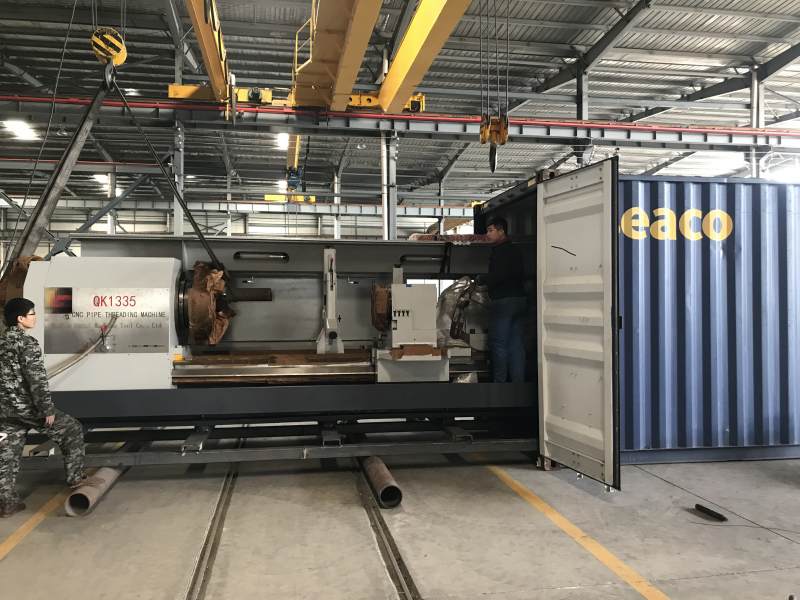
The capabilities of a Hydraulic Chuck CNC Slant Bed Lathe make it a versatile asset across many sectors. Its primary strength is in production environments where consistency and speed are non-negotiable. In the automotive industry, it is used for manufacturing components like shafts, pistons, and brake discs. For mold and die making, its precision is essential for creating complex contours and achieving fine surface finishes. The ability to perform multi-face machining in a single clamping is particularly valuable for producing high-mix, low-volume parts efficiently, reducing setup time and potential for error. This makes it a valuable tool not just for mass production but also for flexible manufacturing cells. Whether you are creating intricate hydraulic fittings or robust industrial valve bodies, the combination of power, precision, and automation delivers reliable results.
Understanding Machine Price and Total Cost of Ownership
The initial purchase price of a Hydraulic Chuck CNC Slant Bed Lathe is influenced by several factors, including its size, control system, and optional features. However, the total cost of ownership (TCO) is a more accurate measure of the investment. A lower-priced machine may incur higher costs over its lifetime due to frequent downtime, poor accuracy, or limited service support. When evaluating your investment, consider the machine's construction quality. Our use of premium drive components and rigid cast iron frames is a direct investment in the machine's long-term accuracy and reliability. Commercial terms also play a role. While we have no rigid minimum order quantity and can supply single units, placing a bulk order can provide more favorable terms on pricing, delivery timelines (typically 1-6 months), or after-sales service packages. A reliable support network, promising an 8-hour response and 48-hour on-site service, minimizes costly downtime and protects your production schedule.
Common Mistakes to Avoid When Operating Your Lathe
Proper operation is crucial for maximizing the life and performance of your CNC machine. Avoiding a few common errors can prevent damage to the machine, tooling, and workpieces, while ensuring consistent quality.
- Incorrect Chuck Pressure: Applying excessive hydraulic pressure can distort or damage thin-walled parts. Too little pressure can cause the workpiece to slip during heavy cuts, ruining the part and potentially damaging the tool or machine. Always calculate and set the appropriate clamping force for the material and cutting operation.
- Neglecting Hydraulic System Maintenance: The hydraulic fluid must be kept clean and at the proper level. Contaminated oil can cause valves to stick and reduce the chuck's performance and reliability. Regular filter changes and inspections are essential.
- Poor Chip Management: While a slant bed design helps with chip evacuation, long, stringy chips can still wrap around the workpiece or tooling. Use appropriate chip breakers on your inserts and adjust cutting parameters to ensure chips break into small, manageable pieces.
- Ignoring Machine Leveling: A CNC lathe must be perfectly level to maintain its geometric accuracy. Check and adjust the machine's level periodically, especially after initial installation or if it has been moved, to prevent turning tapers or other inaccuracies.
Your Hydraulic Chuck CNC Slant Bed Lathe Supplier
As a professional about makcnc, professional cnc lathing machine manufacturer founded in 2016, MAKCNC operates from an ISO 9001:2015 certified facility dedicated to building reliable and precise machine tools. With multiple production lines and an inventory of sample machines, we are equipped to meet diverse manufacturing needs. Our engineering philosophy centers on creating a synergistic system where a rigid machine structure, high-quality German and Taiwanese drive components, and intelligent control technology work together to achieve optimal performance. We offer a standard 12-month warranty post-acceptance and provide lifetime paid service, ensuring your investment is supported for its entire operational life.
Frequently Asked Questions
What is the typical lead time for a new machine?
Our standard lead time ranges from one to six months, depending on the specific machine configuration and current production schedules.
Is there a minimum order quantity?
No, there is no hard minimum order quantity. We support single-unit procurement for all customers. However, purchasing multiple units may unlock more advantageous commercial terms regarding price, delivery, or service.
What kind of after-sales support can I expect?
We provide a comprehensive service network. Our standard commitment is to respond to service requests within 8 hours and have a technician on-site to address any faults within 48 hours, minimizing your production interruptions.
Can the warranty be extended?
Yes. While our standard warranty is 12 months, we can offer extended terms, such as a three-year free warranty, for specific tenders or projects with such requirements.
If you are looking for a reliable supplier for a high-performance CNC lathing machine, please contact us to discuss your requirements and receive a detailed quotation.