When Do Box Guide VMCs Beat Linear Guide VMCs?
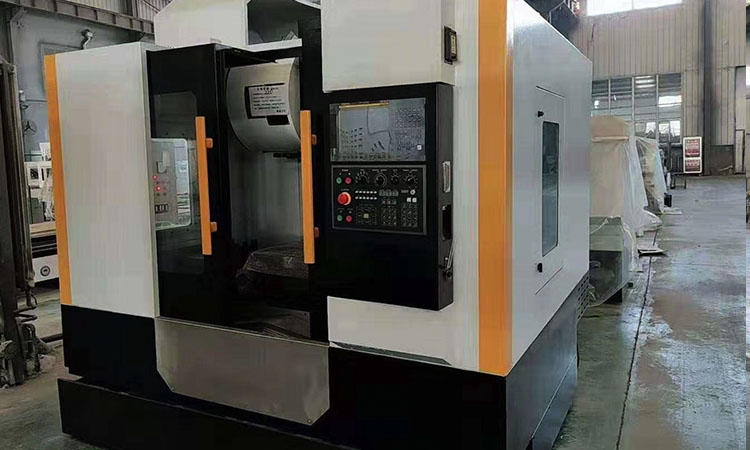
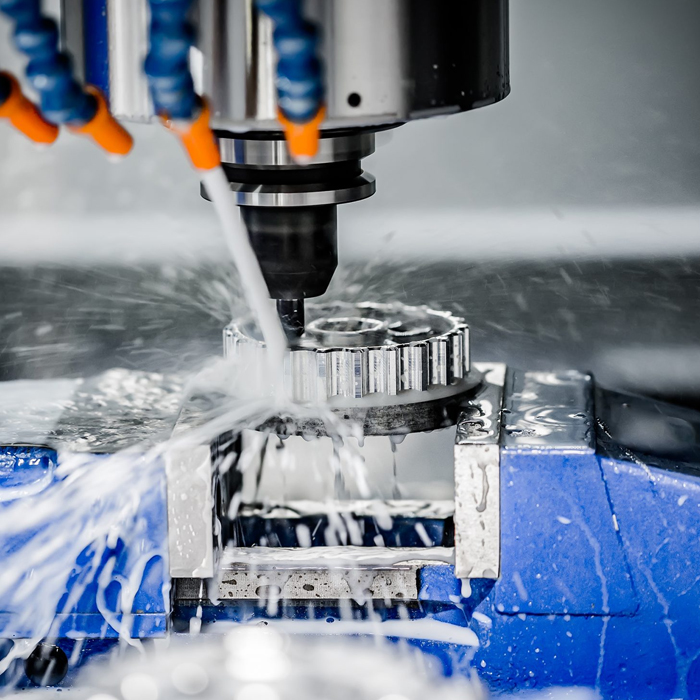
A professional cnc machining center solution is defined by its core architecture, and the choice between guideway systems is a fundamental decision that dictates machine performance. For many engineers and production managers, the question is not simply which is "better," but which is right for a specific application. While linear guides offer exceptional speed, the box guideway design provides a distinct advantage in scenarios demanding high rigidity, superior vibration damping, and the ability to perform heavy-duty metal removal. Understanding this performance boundary is essential before investing in new equipment.
At MAKCNC, our machine bodies are constructed from high-strength cast iron, such as resin sand castings, which undergo an aging treatment to ensure long-term structural stability. This rigid foundation is critical for capitalizing on the inherent strengths of a box guideway system, especially when paired with high-precision transmission components from established Taiwanese or German brands.
The Core Trade-Off: Rigidity vs. Speed in VMC Guideways
The primary difference between box and linear guideways lies in their method of contact and motion. This mechanical distinction creates a clear trade-off between raw cutting power and rapid positioning speed.
- Box Guideways (Slideways): These are integral, ground surfaces of the machine's castings that mate with a large contact area. Motion occurs on a thin film of oil, creating a system with exceptional surface-to-surface contact. This design inherently dampens vibration and can withstand immense cutting forces, making it ideal for aggressive material removal.
- Linear Guideways: These systems use rolling elements—either ball bearings or rollers—that run along a profiled rail. The contact area is significantly smaller, resulting in very low friction. This allows for extremely high rapid traverse rates and acceleration, which reduces non-cutting time and shortens overall cycle times for lighter-duty work.
The choice is not about an obsolete technology versus a modern one. Both systems are continuously refined. The decision hinges entirely on the machining task. A machine designed for high-volume aluminum drilling has different needs than one tasked with roughing a P20 tool steel mold cavity.
Box Guides vs. Linear Guides: Defining the Performance Boundary
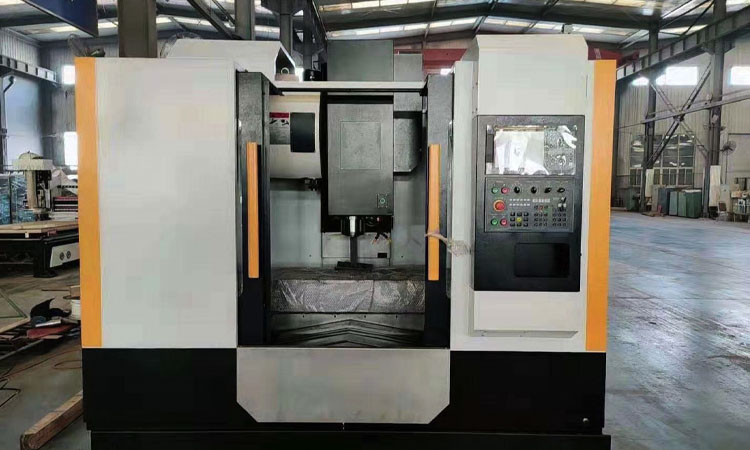
To make an informed decision, you must identify where your application falls on the spectrum of speed versus power. Box guides excel when cutting conditions become challenging. The table below outlines the operational boundaries where a box guideway machine typically outperforms its linear guide counterpart.
| Operating Condition | Box Guideway Advantage | Linear Guideway Advantage |
|---|---|---|
| Material Type | Hard or tough materials like tool steels, stainless steels, titanium, and high-nickel alloys that generate significant cutting forces. | Softer materials like aluminum, brass, and plastics where high spindle speeds and feed rates are prioritized over cutting force. |
| Cut Type | Heavy roughing, deep slotting, and interrupted cuts (e.g., milling across holes or features) where shock loads and vibration are high. | High-speed finishing, light profiling, drilling, and tapping where cycle time reduction is the primary goal. |
| Axis Load & Workpiece Weight | Supports very heavy workpieces and high tool pressure without deflection. The large surface area distributes the load effectively. | Best for lighter workpieces where rapid repositioning between features is frequent. High loads can lead to premature wear. |
| Vibration Damping | Superior damping characteristics due to the large surface contact area, leading to better surface finishes and longer tool life during heavy cuts. | Less inherent damping. Vibration can become a factor during aggressive machining, potentially causing chatter or poor finish. |
| Cycle Speed Priority | When in-cut stability, depth of cut, and material removal rate (MRR) are more critical than out-of-cut travel time. | When overall cycle time, dominated by rapid traverse moves between multiple small features, is the key performance indicator. |
Common Mistakes in VMC Guideway Selection
Choosing the wrong guideway system can lead to poor part quality, reduced tool life, and lower-than-expected productivity. Avoiding these common errors during the procurement process is vital for achieving a strong return on investment.
- Mistake 1: Prioritizing Rapid Traverse Specs for a Roughing Application. A high rapid traverse rate looks impressive on a spec sheet, but it contributes nothing during an hour-long heavy milling operation. For such tasks, the machine's ability to maintain a deep, consistent cut without vibration is far more valuable.
- Mistake 2: Underestimating the Impact of Vibration. For industries like mold making, surface finish is paramount. Box ways naturally absorb cutting vibrations, which helps prevent issues like "chatter marks" and "quadrant glitches." Our advanced CNC systems further enhance this with intelligent feed-forward and compensation technologies to resolve common surface quality problems.
- Mistake 3: Ignoring Long-Term Durability. Linear guides are component-based and are typically replaced when worn. Box ways are an integral part of the machine casting and can be re-scraped and refurbished over the machine's life, offering exceptional longevity in demanding environments. This is why we build our machines on a foundation of high-strength, aged cast iron.
- Mistake 4: Assuming One Type Fits All Parts. A job shop producing a wide variety of parts may need both types of machines. A vertical cnc machining center mv1380 with box ways is perfect for large mold bases, while a smaller, faster machine might be better for secondary operations or aluminum components.
Your ISO 9001-Certified Partner for High-Rigidity Machining
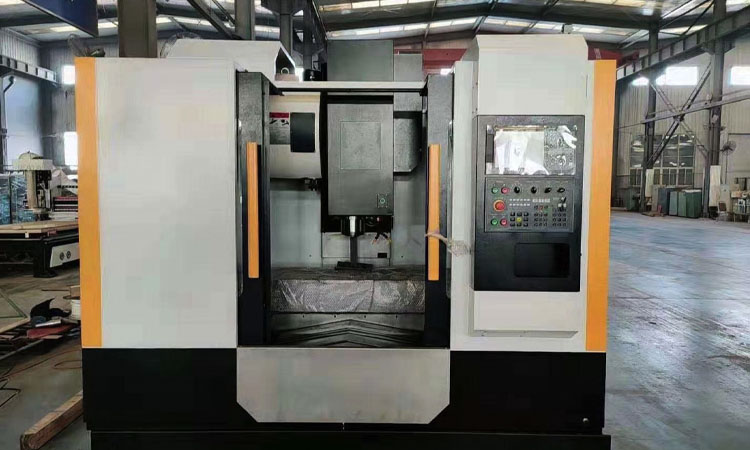
Since our establishment in 2016, MAKCNC has focused on building reliable CNC machines for demanding industrial applications. Our ISO 9001:2015-certified production processes ensure consistent quality across our multiple product lines. We understand that every manufacturing need is different, which is why we have no rigid minimum order quantity; you can procure a single machine or multiple units with commercial terms adjusted for volume.
Our commitment to performance and longevity is built into every machine. The use of high-strength cast iron structures and precision components from globally recognized brands provides the rigidity needed for challenging cuts. For industries like mold and die, our machines offer the ability to complete multi-sided machining in a single clamping, enhanced by control systems that actively solve common finish defects.
We stand behind our equipment with a standard 12-month warranty after acceptance and provide lifetime paid service. Our established after-sales network is committed to an 8-hour response time, with the goal of having a technician on-site within 48 hours to address any issues.
Frequently Asked Questions
Can a box way machine still be fast?
Yes, but "fast" needs to be defined by the application. While a linear guide machine will almost always have a higher rapid traverse rate (G0 speed), a box way machine can often achieve a higher material removal rate during heavy cutting. Its ability to take deeper, wider cuts without chatter can result in shorter cycle times for roughing operations.
Are box guides an old technology?
While the concept is traditional, the implementation is modern. The scraping techniques, lubrication systems, and integration with modern CNC controls are highly advanced. Machine tool builders continue to choose box ways for heavy-duty and high-precision applications because the fundamental physics of their superior damping and load capacity remain unmatched.
What is the typical lead time for a MAKCNC machine?
Our standard lead times range from 1 to 6 months. This can vary based on the specific machine configuration, current production schedules, and the level of customization required.
If you are sourcing a machine for heavy-duty applications that demand rigidity and a superior surface finish, contact our technical team to discuss your specific requirements and receive a detailed quotation.