5-Axis CNC Machining Center Complete Guide
What is a 5-Axis CNC Machining Center
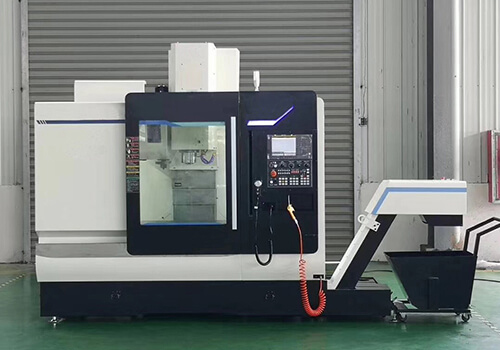
A 5-axis CNC machining center is a computer-controlled machine tool that moves a cutting tool or workpiece along five different axes simultaneously. Traditional 3-axis machines work in X, Y, and Z linear directions. A 5-axis system adds two rotary axes, typically A (rotation around X) and B or C (rotation around Y or Z). This simultaneous 5-axis motion lets a single setup handle multiple sides of a part. For B2B buyers in heavy equipment, energy, and transport sectors, the practical benefit is clear: fewer fixtures, lower labor, and tight tolerances on complex geometries. The machine executes contoured surfaces, angled holes, and deep cavities that would require multiple setups on a 3-axis center. At MAKCNC we see procurement teams selecting these machines to cut lead times on castings, oilfield components, and structural aerospace parts. The ability to maintain accuracy across several faces without re-clamping directly impacts throughput and part consistency.
Types of 5-Axis CNC Machining Centers
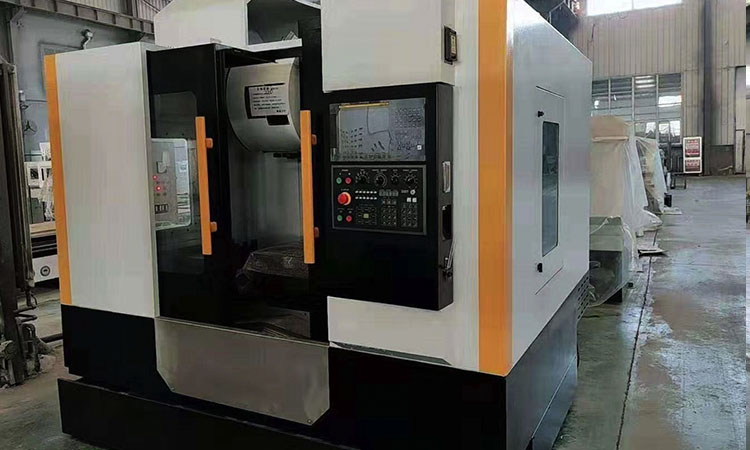
5-axis configurations vary by how the rotary axes are arranged. The three common layouts are table-table, head-table, and head-head. A table-table design mounts both rotary axes in the worktable. This keeps the spindle stationary and often provides high rigidity for heavy cuts, making it suitable for large prismatic parts like gearbox housings. Head-table machines combine one rotary axis in the table with a tilting spindle head. This is a versatile setup found in many vertical machining centers, balancing workpiece size and tool access. Head-head machines put all rotation in the spindle head. These excel at machining very large, heavy components that cannot be easily tilted, such as aircraft structural frames. Within MAKCNC’s machining center series, we offer vertical and horizontal building blocks that can be adapted to head-table or table-table 5-axis configurations. Buyers should also consider trunnion-style tables versus integrated rotary axes. A trunnion adds a tilting table to a 3-axis machine, offering a lower entry cost but sometimes reducing workspace. Fully integrated 5-axis machining centers are engineered from the base casting upward for rotary motion, delivering higher dynamic accuracy and often faster cycle times. The choice depends on part size, weight, and the mix of 3+2 positioning versus full simultaneous contouring your production demands.
Features of 5-Axis CNC Machining Centers
Modern 5-axis CNC machining centers share several performance features that directly affect B2B purchasing decisions. High rigidity cast iron beds and heavily ribbed columns reduce vibration during interrupted cuts. Direct-drive or high-torque geared spindles deliver the speed range needed for both aluminum and tough alloy steels. On the control side, advanced CNC units handle complex 5-axis toolpath calculations in real time, supporting functions like tool center point control and dynamic fixture offsets. Combined with linear roller guideways and high-response servo motors, these machines achieve high speed, high rigidity, high performance, and high efficiency — the same engineering priorities we build into every vertical CNC machining center MV1380. Another practical feature is through-spindle coolant and high-pressure chip flushing, essential when cutting deep pockets in one setup. Automatic tool changers with large magazine capacities keep the spindle running longer. Thermal compensation systems built into the structure and control software maintain micron-level accuracy across shift changes. For oilfield and heavy equipment buyers, chip management and coolant containment are not afterthoughts — they are built into the machine guarding and bed design. The end result is a 5-axis machining center that holds tolerances on large workpieces day after day, reducing scrap and manual inspection time.
Applications of 5-Axis CNC Machining
5-axis machining centers impact a wide range of industries. In automotive manufacturing, they machine engine blocks, cylinder heads, and turbocharger housings with single-setup efficiency. Aerospace suppliers rely on them for structural ribs, impellers, and blade surfaces where the airfoil shape requires continuous 5-axis tool contact. The energy sector — including oilfield equipment — is a core focus for MAKCNC. Global CNC machinery cases often highlight the machining of pump bodies, valve blocks, and drilling tool components where angled ports and precision bores intersect. Communications and consumer electronics manufacturers use 5-axis capability to produce intricate enclosures and heat sinks with fine details. Agricultural and construction machinery makers benefit when cutting large castings with multiple machined faces. Mold and die shops are another segment where simultaneous 5-axis strategy shortens roughing and finishing time on complex cavity shapes. In all these fields, the common requirement is the ability to reach difficult features without repositioning the part. 5-axis technology directly answers that need. At MAKCNC, our heavy-duty cutting lathe series and machining center series both serve markets where precision, repeatability, and uptime determine contract success.
5-Axis CNC Machining Center Price Factors
Price for a 5-axis CNC machining center depends on several variables and typically ranges significantly based on configuration, size, and control technology. One major factor is the machine’s work envelope — larger X/Y/Z travels and table load capacity increase the cost of castings, linear guides, and drive motors. The spindle type also drives price: a high-torque geared spindle for steel costs more than an entry-level belt-driven unit, while an integrated motor spindle for high-speed aluminum cutting sits at the premium end. Control systems from brands like Siemens or FANUC, plus software options for 5-axis interpolation and kinematic calibration, can add considerable cost but are essential for true simultaneous contouring. Tool changers with more pockets, coolant filtration units, and probing systems for in-process measurement each add line items. Buyers should also budget for installation, operator training, and foundation preparation. A heavy 5-axis machine requires a level, vibration-damped concrete pad that can add site preparation costs. MAKCNC offers customized CNC machines and machining centers that allow you to match spindle, tool changer, and automation options to the parts you produce, helping avoid paying for features you will not use while keeping the machine scalable for future work.
Installation and Usage Tips for 5-Axis CNC Machines
Proper installation is step one in getting full value from a 5-axis CNC machining center. Start with a foundation that meets the manufacturer’s static and dynamic stiffness requirements. Heavy machine tools need isolation from neighboring equipment to prevent vibration transfer. Level the base casting precisely, then verify the machine geometry with laser calibration. Next, confirm shop air quality, power stability, and coolant supply. A dedicated power line with proper grounding prevents electronic noise that can disrupt servo feedback. When first running the machine, perform warm-up cycles for the spindle and rotary axes according to the schedule in the maintenance manual. Use a known test part — like a cone frustum or a five-sided block — to check the machine’s volumetric accuracy. Operators should fully understand tool length offset setting and kinematic probing routines before running production parts. For daily use, enforce chip clearing routines, especially around rotary axis seals, and monitor coolant concentration. Predictive maintenance on linear guides and ball screws keeps positioning consistent. Many shops using 5-axis equipment from MAKCNC implement scheduled accuracy checks with a ballbar or laser interferometer to catch alignment drift early. A well-installed and calibrated 5-axis machine will produce accurate parts for years with minimal unscheduled downtime.
5-Axis CNC Machining Center Supplier
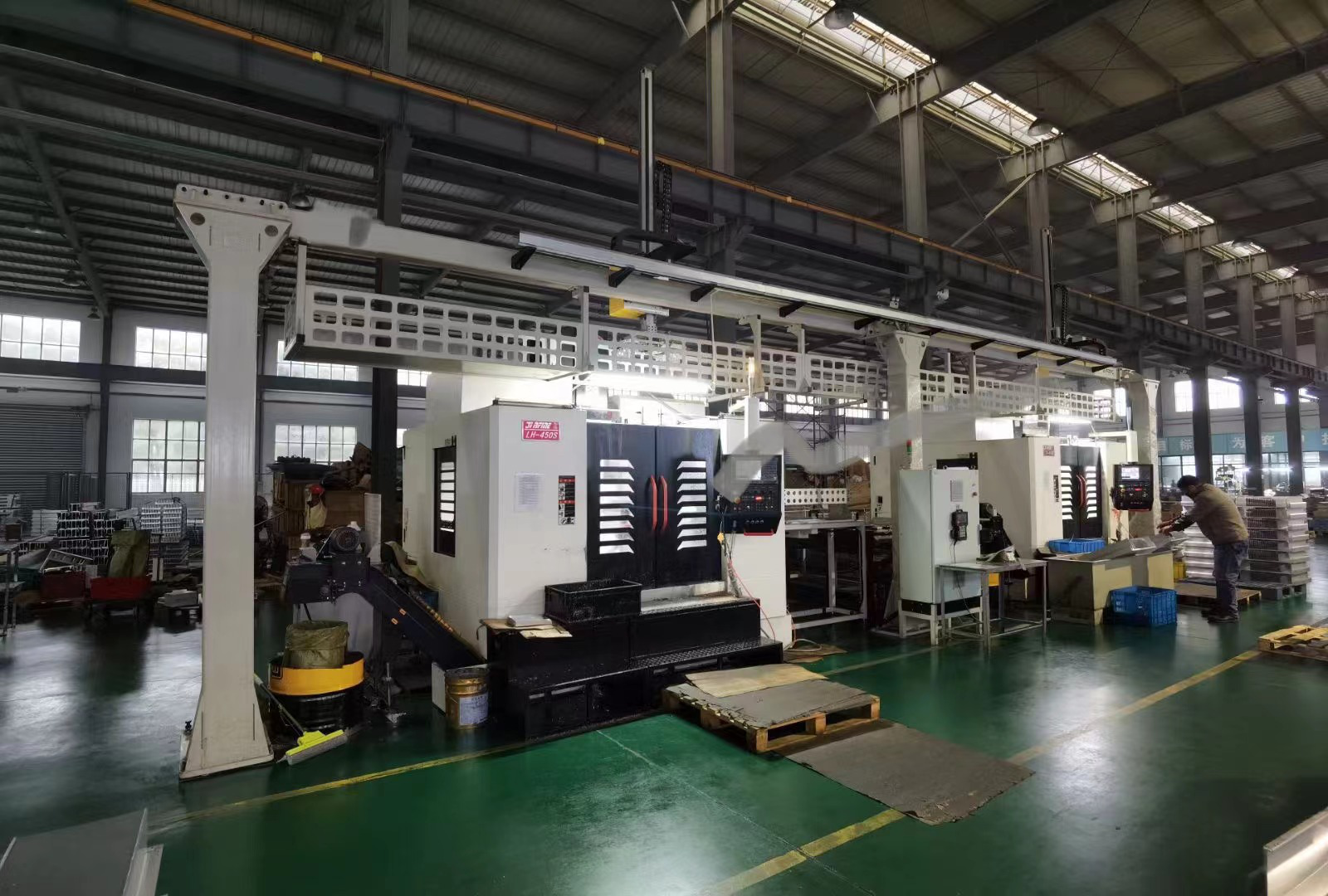
Selecting a 5-axis CNC machining center supplier means evaluating engineering capability, application experience, and after-sales support. MAKCNC, a professional CNC lathing machine manufacturer, brings decades of machine tool building to its machining center range, which includes vertical, horizontal, and multi-axis configurations. Our engineering team works with procurement managers and production leads to specify the right spindle, control, and automation package. We support industries from petroleum and chemical equipment to automotive and aerospace, as seen in our heavy-duty lathe and machining center series. Machine structure, drive components, and precision verification processes follow strict internal standards to ensure each machine handles high-speed, high-rigidity, high-performance, and high-efficiency production. Beyond the initial sale, we provide installation guidance, operator training, and spare parts availability. If you are looking for a 5-axis CNC machining center supplier, please feel free to contact us for the latest product quotation. We can also discuss high quality and durable CNC lathe options for your turning operations, offering a full machining solution from one partner.
FAQ of 5-Axis CNC Machining Center
What is the difference between 3+2 and continuous 5-axis machining?
3+2 machining positions the rotary axes to a fixed angle and then runs 3-axis toolpaths. It works well for multi-face prismatic parts. Continuous 5-axis machining moves all five axes simultaneously during a cut, which is required for sculpted surfaces like turbine blades.
Can a 5-axis machine handle heavy steel parts?
Yes, many 5-axis machining centers, including those built for oilfield and heavy equipment applications, use robust cast structures, high-torque spindles, and large table capacities. The key is matching the machine specification to the part weight and material machinability.
How much operator training is needed for 5-axis?
The transition from 3-axis requires understanding tool center point control, coordinate system rotation, and collision avoidance. With a well-designed control interface and training from the supplier, operators can become proficient in a few weeks.
Is a tilting table better than a tilting head?
It depends on your workpieces. Tilting tables offer high rigidity for smaller to medium parts. Tilting heads allow machining of very large, stationary workpieces. Many shops choose based on their part portfolio’s dominant size range.