CNC Machine Direct from Factory Cost Breakdown
What Is a CNC Machine Direct from Factory?
Buying direct from a CNC machine manufacturer means that an importer, distributor, or production company purchases CNC equipment from the producing factory rather than through a local reseller. The quotation may appear straightforward, but the final purchase cost includes more than the machine price. Before approving an order, buyers should review customization, tooling, export packaging, freight, import duties, installation, training, and after-sales support. This matters because a lower factory quotation can become more expensive when essential services are excluded. Conversely, a clearly defined factory quotation can give buyers greater control over specifications, documentation, and service arrangements. A factory-direct CNC machine is therefore a sourcing method, not simply a pricing label.
Types of CNC Machine Direct from Factory
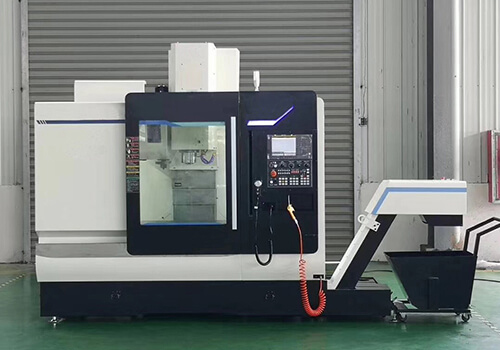
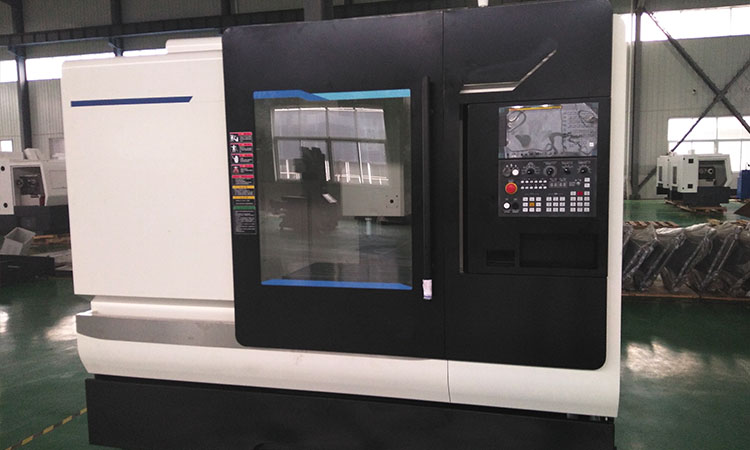
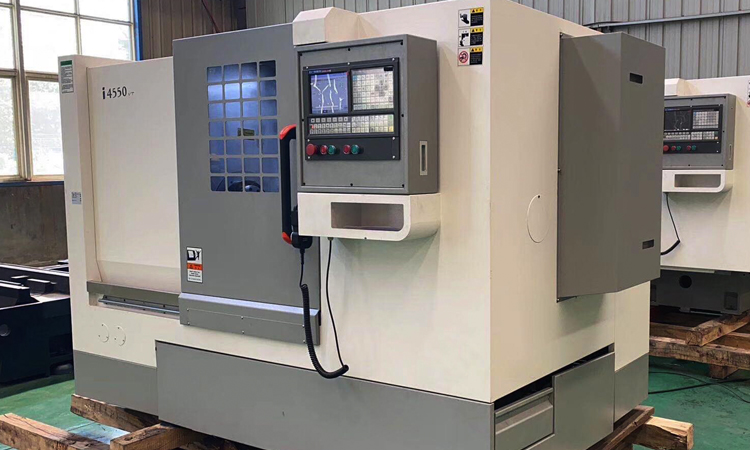
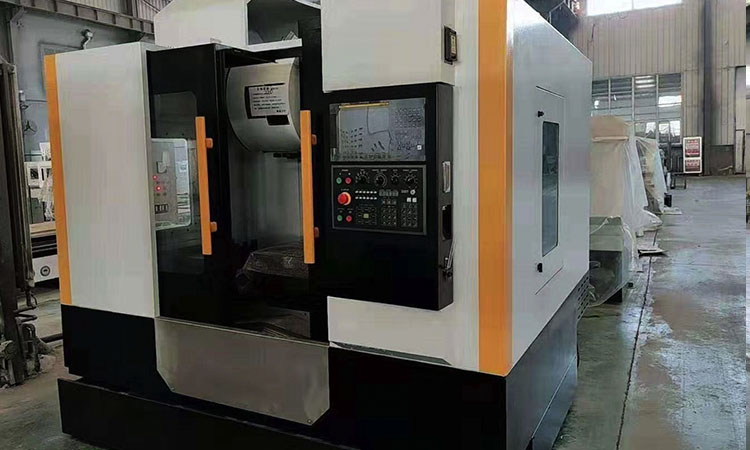
Factories typically organize CNC equipment by machine structure, cutting task, workpiece size, and intended production use. MAKCNC lists six main product lines: vertical machining center series, horizontal machining center series, gantry processing series, heavy-duty cutting lathe series, CNC oilfield lathe series, and CNC lathe series. Recommended product groups include machining centers, CNC oilfield lathes, and manual oilfield lathes. A vertical machining center is commonly considered for general milling and multi-process work, while a horizontal machining center may suit production setups requiring a different spindle orientation and workholding arrangement. CNC lathing machines are used for turning operations, while oilfield lathes are intended for petroleum-related and geological exploration work. Choose the appropriate machine category before comparing prices.
Common Factory Direct Categories
- Vertical machining centers for general milling work.
- Horizontal machining centers for horizontal cutting arrangements.
- Gantry processing equipment for larger processing tasks.
- CNC lathes for turning and repetitive production work.
- CNC oilfield lathes for petroleum and related industrial applications.
- Heavy-duty cutting lathes for demanding cutting requirements.
Features of a Factory Direct CNC Machine
The main advantage of direct sourcing is access to the production team responsible for the machine structure, available configurations, and intended operating use. MAKCNC describes its recommended machining center and lathe products in terms of high speed, high rigidity, high performance, and high efficiency. These characteristics should be matched to the buyer’s actual machining requirements rather than copied into a purchase order without review. Confirm which workholding arrangement, control configuration, tooling package, chip-handling method, and electrical requirements are included. A distributor may offer a ready-made package, while a factory can discuss equipment configuration at the source. Request a written specification sheet so the machine price, included accessories, optional accessories, and excluded items can be compared clearly.
Product pages can help buyers create an initial shortlist. For example, the professional CNC machining center solution page covers machining center categories, while individual models such as the vertical CNC machining center MV1270 can be reviewed separately during technical discussions. A product page is only a starting point. The final quotation should confirm the selected model, machine configuration, applicable voltage, included accessories, export documents, packaging method, and service scope. Do not compare two offers by model name alone. Compare the full scope of each offer.
CNC Machine Applications
Factory-direct CNC equipment can support production in communication, consumer electronics, automotive, aerospace, minerals, agricultural machinery, chemical, petroleum, water conservancy, and geological exploration fields. The appropriate machine depends on the component shape, material requirements provided by the buyer, production method, and expected operating environment. A production manager may compare a vertical machining center for general component work, a CNC lathing machine for turning operations, or an oilfield lathe for petroleum-related parts. Distributors may require a broader product mix and more clearly defined spare-parts support. Importers should also consider destination-market electrical and safety requirements before requesting a formal quotation. The application discussion should explain the expected work so the factory can recommend an appropriate configuration instead of sending a generic price.
Factory Direct CNC Machine Price
What does a factory-direct CNC machine cost? There is no reliable single answer without a confirmed machine category, configuration, destination, and service scope. The machine price is only one part of the landed cost. A practical purchasing worksheet separates each charge so buyers can compare a factory offer with a reseller offer on equal terms. The worksheet should include the base machine, selected options, customization, tooling, export packaging, inland transport, ocean or air freight, insurance if requested, import duties, local taxes, installation, commissioning, operator training, spare parts, and after-sales support. Some charges may be paid to different suppliers, but they still belong in the project budget. This approach helps prevent a low ex-factory quotation from concealing costs that emerge later.
| Cost item | What to confirm | Why it affects the budget |
|---|---|---|
| Machine price | Model, standard configuration, and included accessories | Forms the starting value of the equipment |
| Customization | Special configuration, electrical requirements, or process-related changes | Adds engineering and production work |
| Tooling | Chucks, holders, cutters, fixtures, and other requested items | Changes machine readiness for production |
| Packaging | Export packing method and protection materials | Supports safe international transport |
| Freight | Pickup location, shipping method, destination port, and delivery terms | Can vary by route and shipment arrangement |
| Import duties | Applicable classification, duties, and local taxes | Depends on the destination country and customs treatment |
| Installation | On-site installation, commissioning, and travel arrangements | Determines how the machine enters production |
| After-sales support | Remote help, spare parts, training, and service response terms | Influences ownership cost after delivery |
When you buy CNC machine from factory, ask for both the commercial quotation and the delivery basis. “Factory price” may refer to the machine leaving the factory, while your finance team needs an estimated landed cost at the receiving site. Request separate lines for every optional item. If freight or duties cannot be confirmed by the manufacturer, record them as buyer-side estimates rather than treating them as included. This makes internal approval clearer and gives purchasing teams a more reliable basis for comparing direct equipment sourcing with reseller purchases.
How to Buy a CNC Machine Direct from the Factory
Learning how to buy a CNC machine direct from the factory begins with a clear inquiry, not a request for the lowest price. Send the factory a workpiece description, required operation, preferred machine category, production purpose, destination country, power requirements, and desired quantity. If you are a distributor, state whether you need a standard product, private labeling, documentation support, or a repeat-supply arrangement. Ask for a technical proposal, commercial quotation, packing details, delivery terms, payment schedule, warranty scope, installation options, and spare-parts process. Review the response with both engineering and purchasing staff. Engineering checks machine suitability, while purchasing reviews the cost structure. This two-part review can help prevent a machine from being selected on price before its intended work has been properly assessed.
Customization should be documented in writing. Use a separate attachment that identifies the machine model, approved options, tooling, control details, electrical information, documents, and inspection requirements. The customized CNC machines page can support an initial discussion, but the signed quotation and technical agreement should govern the order. Before payment, confirm which items are included and which are excluded. Also ask how the machine will be packed, what documents will accompany the shipment, and whether remote installation guidance or on-site support is available. A direct purchase works best when commercial and technical responsibilities are clearly defined on both sides.
CNC Machine User Guide for Importers
Installation planning should begin before the machine leaves the factory. The receiving site needs a suitable foundation or working area, required power, lifting access, operating space, and trained personnel. The importer should assign one contact for logistics and another for technical communication. On arrival, inspect the package before opening it, record any visible damage, and compare the received items with the packing list. After unpacking, verify the model, accessories, tooling, documentation, and spare parts. Operators should review the manufacturer’s instructions before production use and follow the recommended operating, cleaning, and maintenance procedures. Do not treat remote guidance as a substitute for site preparation. A prepared facility can reduce delays during commissioning.
For lathe buyers, the CNC lathing machine range provides a useful starting point for comparing turning equipment. Buyers evaluating machining centers can compare vertical and horizontal arrangements through the relevant product information. Keep a record of service contacts, replacement-part requests, operating observations, and training questions. This record can help the factory diagnose issues more efficiently and give the production manager a clearer view of ongoing support needs. The user guide should also be shared with operators, maintenance staff, and the person responsible for importing technical documents.
How to Verify a CNC Machine Manufacturer
Knowing how to verify a CNC machine manufacturer requires more than reviewing a product photograph or a brief online profile. Start by checking the company’s product range, factory information, technical documents, and communication quality. Ask whether the supplier produces the equipment or acts as a trading intermediary. Request a quotation with model details, specifications, included accessories, packaging, delivery terms, and support conditions. Check whether the supplier can explain the differences between its vertical machining center, horizontal machining center, gantry processing, CNC lathe, and oilfield lathe lines. A credible supplier should be able to discuss application fit without making unsupported promises. Buyers can also review the global CNC machinery cases page as part of their supplier-evaluation process, then ask the factory to clarify which equipment category applies to each example.
Verification should continue through the quotation stage. Compare the legal company information shown on commercial documents, the payment beneficiary, factory contact details, product documentation, and after-sales contact information. Ask for a video call or factory discussion when practical, and keep all agreed specifications in the purchase contract. Avoid relying on claims that are not supported by the written offer. The goal is not simply to find the lowest ex-factory amount. It is to identify a supplier that can provide the selected machine, prepare export documentation, support installation, and respond to service questions after delivery. This approach gives importers and production managers a stronger basis for long-term purchasing decisions.
FAQ of CNC Machine Direct from Factory
How to buy a CNC machine direct from the factory?
Begin by defining the machining task, machine category, destination, quantity, power requirements, and expected configuration. Send the same inquiry to each shortlisted factory so the quotations can be compared accurately. Ask for the machine price, customization, tooling, packaging, freight basis, import documentation, installation, training, warranty, spare-parts process, and after-sales support to be listed separately. Review the technical response with an engineer before comparing totals. Confirm the final model and options in a written technical agreement, then match the commercial invoice and payment details to the approved supplier information. This process helps buyers purchase directly without confusing an ex-factory price with the total delivered cost.
What does a factory-direct CNC machine cost?
The cost depends on the machine category, configuration, customization, tooling, packaging, destination, freight arrangement, import duties, installation, and support requirements. A vertical machining center, horizontal machining center, CNC lathing machine, and oilfield lathe may have different quotation structures because their applications and included equipment differ. Ask the supplier for a line-item quotation instead of one combined amount. Then add buyer-side charges that the factory cannot confirm, such as local customs costs, inland delivery, site preparation, and local installation arrangements. The appropriate budget figure is the estimated landed cost, not only the amount shown beside the machine model.
How to verify a CNC machine manufacturer?
Review the supplier’s product lines, technical explanations, quotation details, factory information, and support process. Ask whether the company manufactures the machine or represents another producer. Check that the model, options, accessories, packaging, and service terms are written clearly. Use product information and case material as supporting evidence, but do not accept a case claim as a substitute for a technical proposal. Confirm the company and payment details on formal documents, keep communication records, and request clarification whenever an item is vague. A reliable evaluation connects the supplier’s stated capabilities with the machine required for your application and the support needed after delivery.
Is factory-direct sourcing better than buying from a reseller?
Factory-direct sourcing can give buyers closer access to the production team, configuration choices, and original technical information. A reseller may provide local stock, local service, financing, or a simpler domestic purchasing process. Neither option should be selected on price alone. Compare the delivered machine, included tooling, installation, documentation, response process, spare parts, and total commercial responsibility. For an importer or distributor, direct sourcing may offer greater control when the order requires customization or repeat supply. For a production manager, the best option depends on site support and internal technical resources. The right comparison is the total cost and service scope for the intended application.
MAKCNC CNC Machine Supplier
MAKCNC supplies CNC Lathing Machine, CNC Machining Center, and CNC Machine products across six main product lines, including vertical and horizontal machining center series, gantry processing series, heavy-duty cutting lathe series, CNC oilfield lathe series, and CNC lathe series. Its recommended products include machining centers, CNC oilfield lathes, and manual oilfield lathes. These machines can serve communication, consumer electronics, automotive, aerospace, minerals, agricultural machinery, chemical, petroleum, water conservancy, and geological exploration applications. If you are comparing a factory-direct CNC machine for import, distribution, or production use, send MAKCNC your application, destination, preferred category, and required configuration. Contact us for the latest product quotation and a cost worksheet that separates the major purchase items.