A Guide to the High Speed CNC Turning Machine for Buyers
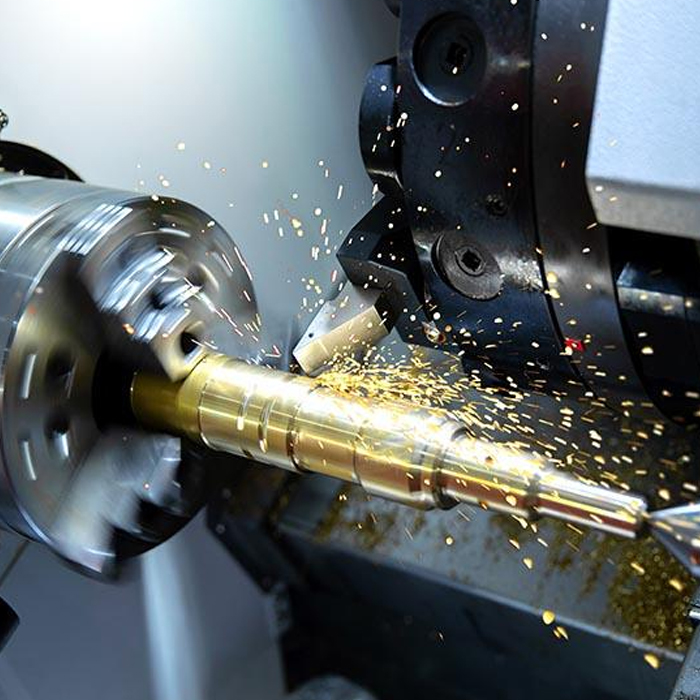
A High Speed CNC Turning Machine is a type of CNC lathe specifically engineered for rapid material removal and fine surface finishing by rotating a workpiece at high revolutions per minute (RPM) while a cutting tool shapes it. Unlike conventional lathes, these machines integrate advanced spindle technology, rigid structural designs, and sophisticated control systems to maintain accuracy and stability at accelerated speeds. The primary goal is to reduce cycle times for production runs, particularly in industries where efficiency directly impacts profitability. Achieving this requires more than just a powerful motor; the entire machine, from the bed casting to the tool turret and tailstock, must be designed to dampen vibration and manage thermal expansion. This ensures that the precision gained from speed is not lost to mechanical instability or processing errors.
Types of High-Speed Turning Machines
High-speed turning centers come in several configurations, each suited to different production needs. The most common distinction is the bed orientation. A flat-bed design offers easy access and is straightforward to operate, but a CNC inclined bed lathe, or slant-bed, provides superior chip evacuation and greater rigidity. The angled design uses gravity to pull chips and coolant away from the workpiece, preventing build-up that can mar surface finish or interfere with the cutting process. Another key variation is the number of axes. A standard 2-axis machine (X and Z) is sufficient for most cylindrical parts. However, models with C-axis (spindle rotation control) and Y-axis (off-centerline tool movement), along with live tooling, can perform milling, drilling, and tapping operations. This transforms the machine into a "turn-mill" center, capable of completing complex parts in a single setup, which is ideal for multi-variety, small-batch production runs.
Features of a High-Performance Machine
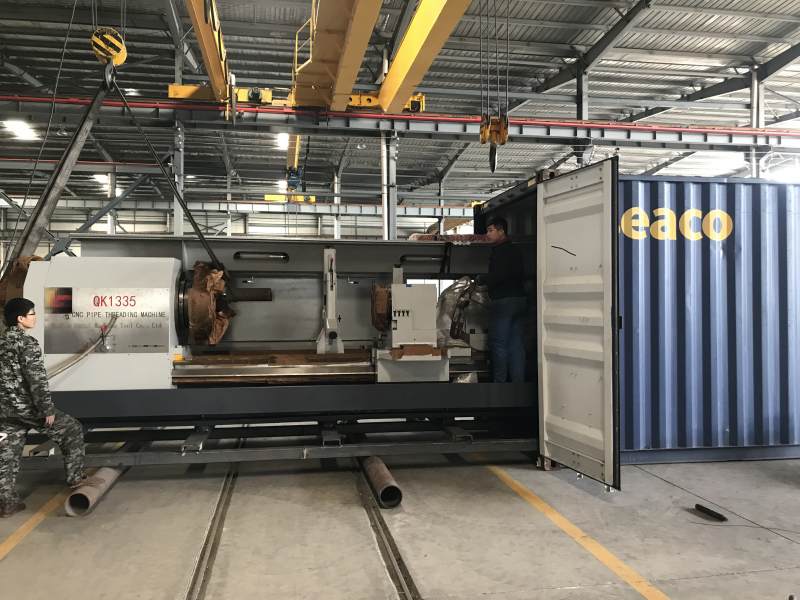
The performance of a High Speed CNC Turning Machine is defined by a combination of mechanical construction and intelligent control. The machine body is the foundation of its long-term precision. At MAKCNC, we construct our machine bodies from high-strength cast iron, such as resin sand castings, which undergo an aging treatment. This process relieves internal stresses in the metal, ensuring the machine frame remains dimensionally stable and rigid for years of operation. Core transmission components, including the ball screws and linear guideways, are sourced from high-precision manufacturers in Taiwan or Germany. For the control system, advanced software features like intelligent feed-forward and quadrant glitch compensation are critical. These technologies proactively address common machining defects in demanding applications, such as the mold industry, effectively preventing issues like over-cut marks, quadrant lines, and tool chatter before they compromise the workpiece.
Common Industry Applications
The primary application for a high-speed CNC lathe is any environment that demands a balance of high throughput and excellent surface quality. The automotive industry relies on these machines for producing engine components, transmission shafts, and braking system parts where both speed and precision are non-negotiable. In the aerospace sector, they are used for turning high-strength alloys into components that must meet strict geometric tolerances. Furthermore, the mold and die industry benefits greatly from these machines. Advanced control systems can resolve common finishing problems, while the ability to perform multi-face machining in a single clamping reduces setup time and improves accuracy for small-batch, high-variety production. This capability is essential for creating complex mold cavities and cores that require a flawless finish directly off the machine.
Understanding Machine Price and Investment
The price of a High Speed CNC Turning Machine can vary significantly based on several factors. The core machine size, maximum turning diameter, and bed length are primary cost drivers. Beyond the basic specifications, the configuration plays a major role. A simple 2-axis lathe will be more affordable than a multi-axis turn-mill center equipped with a Y-axis, C-axis, and live tooling. The choice of CNC controller, spindle power, and options like automatic bar feeders, parts catchers, or high-pressure coolant systems also influence the final investment. While we do not have a rigid minimum order quantity—even a single unit can be procured—customers should know that placing a bulk order for multiple machines often results in more favorable commercial terms regarding price, delivery schedule, or after-sales service packages.
User Guide to Identifying High-Speed Machining Limits
Pushing a machine for maximum speed can sometimes degrade surface finish instead of improving output. Understanding the boundaries is key to optimizing performance. When surface quality declines at high speeds, operators should diagnose the issue systematically. The root cause is often related to imbalance, workholding, heat, or chip control. Use the following diagnostic order to identify the problem efficiently.
| Symptom | Potential Cause & What to Check First | Explanation & Solution |
|---|---|---|
| Vibration Marks / Chatter | 1. Tool Imbalance 2. Workholding Instability |
At high RPMs, even minor imbalances in the tool holder or chuck jaws are amplified, causing vibration. First, check that the tool holder is rated for your target RPM. Then, inspect the chuck jaws for proper seating and clamping force. For long, thin parts, use a tailstock or steady rest for support. |
| Poor Surface Finish / Burnishing | 1. Excessive Heat 2. Incorrect Cutting Parameters |
High speeds generate significant heat. If coolant flow is inadequate, the tool tip can overheat, leading to built-up edge and a poor finish. Ensure coolant nozzles are aimed directly at the cutting zone. Review your feeds and speeds; a very high speed might require a reduced feed rate or depth of cut to manage thermal load. |
| Scratches or Drag Marks | 1. Poor Chip Control 2. Worn Tooling |
Long, stringy chips at high speed can wrap around the workpiece or tool, scratching the finished surface. Use a chip breaker insert geometry designed for your material. If chips are blue or discolored, it's a sign of excessive heat, which also accelerates tool wear. Inspect and replace worn inserts promptly. |
| Inconsistent Dimensions | 1. Thermal Growth 2. Machine Rigidity Limits |
As the machine runs, the spindle and frame can expand from heat, causing dimensional drift. Allow the machine to warm up before running critical parts. If the issue persists on heavy cuts, you may be exceeding the machine's structural rigidity limit, causing deflection. Reduce the depth of cut. |
Your High Speed CNC Turning Machine Supplier
Since our establishment in 2016, about MAKCNC has focused on delivering reliable and precise CNC solutions to the global market. Our ISO9001:2015-certified facilities operate multiple production lines, allowing us to maintain a stock of sample machines and offer lead times between one and six months. We build our machines for lasting accuracy, using high-strength, stress-relieved cast iron bodies and premium transmission components. Our standard warranty covers the machine for 12 months after acceptance, with lifetime paid service available. For specific projects or tenders, we can offer extended terms, such as a three-year free warranty. Our mature after-sales network is committed to an 8-hour response time and 48-hour on-site arrival for troubleshooting, ensuring our clients' production remains uninterrupted. We also offer a professional cnc machining center solution for more complex milling requirements.
Frequently Asked Questions
Here are some common questions we receive about our high-speed CNC turning equipment.
- What is the typical warranty period? Our standard warranty is for 12 months after the machine is formally accepted at your facility. We also provide lifetime paid technical support and service.
- Is there a minimum order quantity (MOQ)? We have no strict MOQ. You can purchase a single machine. However, purchasing multiple units may provide access to better commercial terms on pricing, delivery, or service.
- How do you ensure the long-term accuracy of the machines? We use high-quality, aged cast iron for the machine frame to prevent deformation over time. Additionally, we use high-precision ball screws and linear guides from reputable brands in Germany or Taiwan to maintain motion accuracy.
- What kind of after-sales support can I expect? Our service network is structured for a quick response. We typically respond to service requests within 8 hours and can have a technician on-site to handle any issues within 48 hours in most service regions.
If you are looking for a reliable CNC machine supplier, please feel free to contact us for the latest product quotation and technical specifications.