A Horizontal CNC Milling Center Clears Chips Through Gravity Spindle Position and Pressurized Coolant Flow
What Is a Horizontal CNC Milling Center?
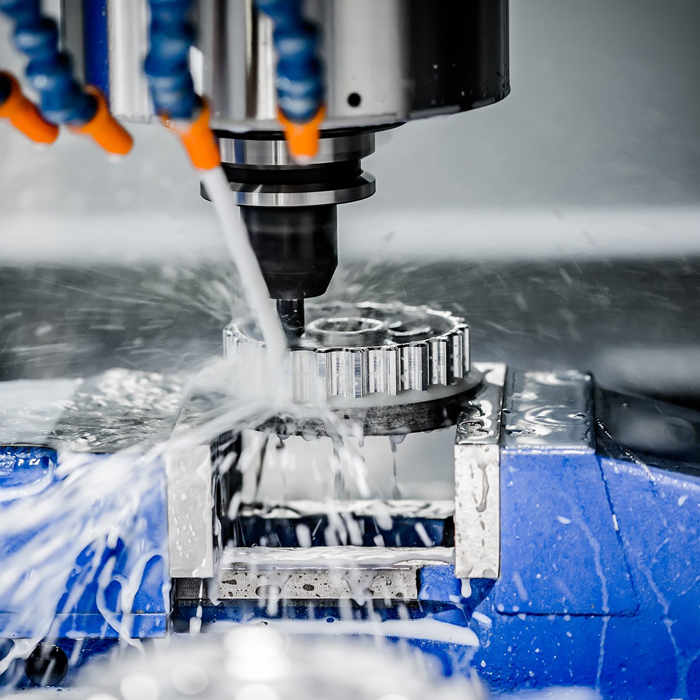
A horizontal CNC machining center mounts its spindle parallel to the shop floor, cutting into a workpiece that sits on a rotating pallet rather than a stationary table. This orientation is the reason the machine clears chips better than most vertical designs: gravity pulls cut material straight down and away from the tool, instead of letting it pile on top of a flat table surface. A Horizontal CNC Milling Center typically pairs this spindle layout with an indexable pallet system, letting operators machine four faces of a part in one setup without repositioning. For production engineers running repetitive metal-cutting jobs, this single detail — chip fall direction — often decides whether a machine holds tolerance over an eight-hour shift or starts throwing scrap by hour three because of recut chips jamming the tool path.

Types of Horizontal Milling Centers
Horizontal machining centers are generally sold in three pallet configurations, each suited to different batch sizes. A single-pallet model works one pallet at a time, best for job shops running low-mix, high-variation parts where fixture change frequency isn't a bottleneck. A twin-pallet setup lets one pallet sit at the load station while the other works inside the cutting envelope, cutting non-productive time nearly in half for repeat-part runs. Pallet-pool systems extend this further — four, six, or more pallets staged in a queue so unattended runs can continue through a lunch break or overnight shift. Buyers comparing a CNC machining center solutions lineup should match pallet count to batch size, not spindle speed; a fast spindle feeding a single pallet still idles if there's nobody to swap fixtures between runs.
Features of Horizontal Milling Centers
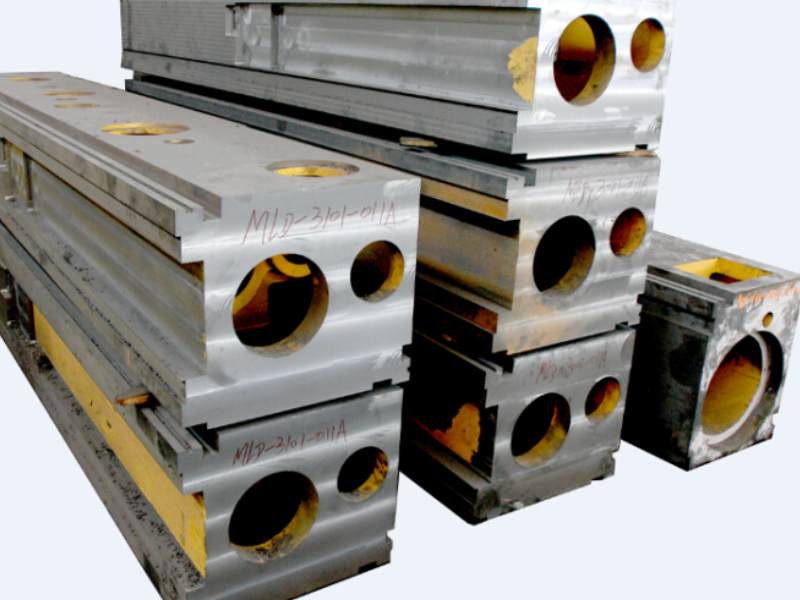
The core structure on most horizontal centers is a high-strength cast iron bed, often resin sand cast, then aged to relieve internal stress so the frame holds geometry after years of load cycling. Ball screws and linear guides sourced from Taiwan or German precision brands are matched to the casting so the whole assembly moves as one stiff system rather than a stack of mismatched parts. For mold and die work specifically, control systems with smart feedforward and quadrant-glitch compensation cut down the overcut marks, quadrant protrusions, and chatter marks that show up when a machine reverses direction at a corner. Multi-face tooling and pallet indexing also mean a single clamping can finish four sides of a part, which matters for shops juggling small-batch, high-mix orders where re-fixturing eats margin fast. Shops with non-standard part geometry can also request customized CNC machines built around a specific fixture or pallet size.
How Spindle Orientation, Coolant Delivery, and Pallet Positioning Prevent Recutting
Chip evacuation on a horizontal machine depends on three variables working together, not any single one. Get any of them wrong and chips recut — meaning the tool runs back over material it already cut — which accelerates flank wear and leaves a rougher surface finish than the program called for. Here's what each variable actually controls in practice:
| Variable | What It Controls | Result If Set Correctly | Result If Set Wrong |
|---|---|---|---|
| Spindle orientation | Direction chips fall after cutting | Chips drop by gravity into the chip pan, clear of the cutting zone | Chips pile on fixtures or part ledges, get picked up and recut on the next pass |
| Coolant delivery | Flushing speed and edge temperature at the cut | High-pressure through-spindle coolant pushes chips out of deep pockets and cools the edge, extending tool life | Low-pressure flood coolant floats small chips back toward the tool, especially in deep slots |
| Pallet positioning | Part angle relative to gravity and coolant stream | Pallet tilts or rotates pockets downward so chips and coolant exit the same direction | Flat or upward-facing pockets trap chips in corners neither gravity nor coolant can reach |
In practice, this means a shop cutting deep pockets in tool steel should not rely on spindle orientation alone. Through-spindle coolant combined with a pallet angle that lets swarf fall clear, rather than settle in a pocket corner, is what actually prevents recutting on deep-cavity mold work. A shop running shallow face-milling passes on aluminum has more tolerance here, because chips are lighter and evacuation path matters more than coolant volume. The mistake we see most often is buyers specifying spindle speed and power first, then treating coolant pressure and pallet geometry as an afterthought — but for repetitive production work, those two variables decide tool life more than spindle rpm does.
Applications of Horizontal Milling Centers
Horizontal centers are a standard choice for mold and die shops, automotive housing production, and any job requiring multi-face machining without manual re-fixturing. A single pallet load can finish a gearbox housing's four machined faces in one cycle, cutting handling error compared to moving the part between three or four vertical setups. Mold makers specifically benefit from the anti-chatter and quadrant compensation features mentioned above, since mold cavities often need tight surface finish with no visible tool marks from axis reversal. Shops reviewing past project outcomes can look through global CNC machinery cases to see how pallet configuration was matched to part geometry across different industries. Lower-mix job shops sometimes still choose a CNC lathing machine for round-part turning work alongside a horizontal center for prismatic parts, since the two machine types solve different geometry problems rather than competing directly.
Horizontal Milling Center Price Factors
Price on a horizontal milling center swings on four factors: pallet count, spindle taper and power, control system brand, and axis travel size. A single-pallet entry model with a standard control costs less than a four-pallet pool system with a high-end control and through-spindle coolant option — the gap widens once pallet automation and coolant pressure upgrades are added. There is no hard minimum order quantity; a single unit can be purchased, though bulk orders of multiple machines usually see better terms on price, lead time, or after-sales support. Lead time generally runs one to six months depending on configuration and current production queue, since machines are typically built to order rather than shipped as-is from stock, although demo units are sometimes available for faster delivery. Buyers comparing quotes should ask what's included in the base price — tooling, coolant system rating, and pallet count are the line items that most often get quietly reduced to hit a lower headline number.
Installation and Operation Tips for Reliable Chip Evacuation
Getting chip evacuation right starts before the machine even runs its first part. Follow this sequence when commissioning a new horizontal center or troubleshooting recutting issues on an existing one:
- Confirm the chip conveyor angle matches the machine's chip fall path — a conveyor set too shallow lets chips stack instead of moving to the collection bin.
- Set coolant pressure to match material and pocket depth, not a single default pressure across every job.
- Check pallet tilt settings on each program change, since a program written for one part orientation won't automatically evacuate chips correctly on a different pocket layout.
- Inspect the chip pan weekly for buildup that can block drainage and cause coolant to pool instead of flush.
- Review tool wear patterns monthly — uneven flank wear on one flute often points to recutting rather than normal cutting load.
Common mistakes we see on the shop floor include running the same coolant pressure setting across completely different pocket depths, skipping conveyor angle checks after a fixture change, and assuming a higher-spindle-rpm machine will automatically clear chips faster. None of these are spindle problems — they are setup and maintenance oversights that any shop can fix without new hardware.
MAKCNC as Your Horizontal CNC Milling Center Supplier
MAKCNC has built horizontal and vertical machining centers since 2016, running multiple production lines with sample machines kept in stock for buyers who need to inspect a unit before committing to a custom configuration. Our facility operates under ISO 9001-certified quality management, and core components such as ball screws and linear guides are sourced from established Taiwan and German brands to keep precision consistent across the production run. Every machine ships with a standard 12-month warranty after acceptance, backed by paid lifetime service afterward; certain tender projects have qualified for extended three-year free warranty terms depending on project scope. Our service network commits to an 8-hour response window and 48-hour on-site arrival for warranty issues, which matters more to production uptime than any single spec sheet number. Shops that want to see how MAKCNC approaches machine design can read more about MAKCNC directly.
FAQ About Horizontal Milling Centers
Does a horizontal machining center always clear chips better than a vertical one? Generally yes for deep-pocket and multi-face work, because gravity pulls chips away from the horizontal spindle axis. Shallow face-milling jobs on a vertical machine can still perform fine, since chip volume and depth are lower.
What coolant pressure is needed for deep-cavity mold work? Through-spindle systems with higher pressure ratings are commonly used for deep pockets in tool steel, though exact pressure should be matched to pocket depth and chip size rather than applied as a blanket setting.
Is a minimum order quantity required to purchase a horizontal center? No hard minimum applies — a single unit can be ordered, though multiple-unit orders typically receive better commercial terms on price or lead time.
How long does delivery take after placing an order? Lead time generally runs one to six months depending on configuration, though demo units in stock can sometimes ship faster.
If you're sourcing a Horizontal CNC Milling Center for repetitive metal-cutting production, feel free to contact us for the latest spec sheet and quote.