How to Vet a Horizontal Machining Center Manufacturer Before You Release an RFQ
Horizontal Machining Center Manufacturer claims are easy to print on a website and hard to confirm from a brochure. The regret usually shows up after the deposit is wired — a buyer discovers the "factory" is actually a trading office, the casting came from an unknown subcontractor, or the spindle was never run-in before shipment. By then, the lead time has already slipped and the warranty terms are whatever the reseller decides to honor. Vetting a supplier properly, before the RFQ goes out, is cheaper than fixing a bad purchase order after the machine lands on your dock.
What Is a Horizontal Machining Center Manufacturer?
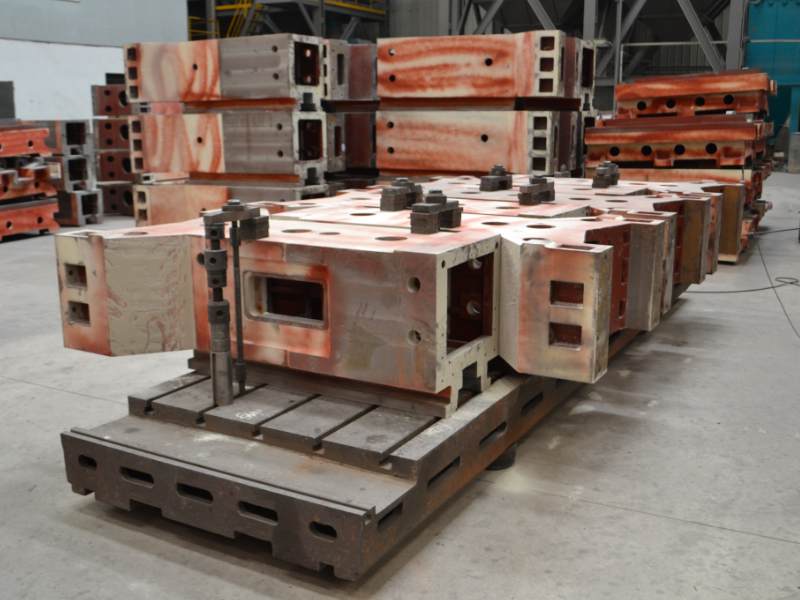
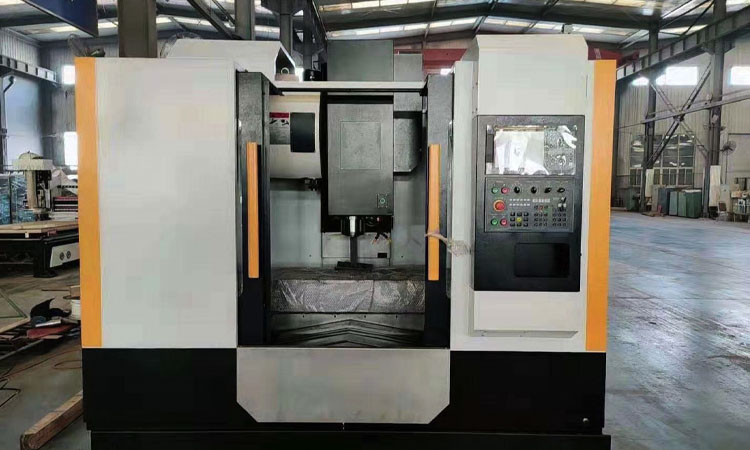
A horizontal machining center is a machining center with a horizontally oriented spindle, usually built with pallet changers so parts can be machined on multiple faces without re-fixturing. A true manufacturer, as opposed to a reseller, operates its own casting, machining, and assembly lines rather than sourcing finished units from a third party and rebranding them. Buyers should confirm whether the company holds recognized quality certifications — ISO9001:2015 is a reasonable baseline to ask for — and whether it has actual production capacity, not just a showroom. A supplier founded in 2016 with multiple production lines and sample machines in stock can usually arrange a plant visit or live video walkthrough on short notice; a trading company typically cannot.
Types of Horizontal Machining Center Manufacturers
Not every company calling itself a manufacturer controls the same parts of the process. Understanding the three common models helps you ask the right questions during supplier qualification.
| Supplier Type | Casting Source | Quality Control | Typical Risk |
|---|---|---|---|
| In-house manufacturer | Own foundry or long-term contracted foundry, resin sand casting with aging treatment | Controlled at every stage, traceable | Lowest, if documentation is verified |
| Assembler | Bought-in castings and subassemblies from multiple sources | Inconsistent between batches | Alignment and rigidity issues over time |
| Trading company | Unknown, rebrands third-party machines | No direct control, relies on supplier claims | Highest — warranty and spare parts disputes |
None of these models is automatically disqualifying for small, low-precision jobs. But for mold work or tight-tolerance production, an in-house manufacturer gives you a single point of accountability when something needs to be traced back and corrected.
Features That Signal a Qualified Manufacturer
- Cast iron structure with aging treatment — high-strength cast iron, often resin sand castings, aged before final machining to hold precision and rigidity over years of heavy cutting.
- Branded core transmission components — ballscrews and linear guideways sourced from Taiwan or German brands tend to hold positioning accuracy longer than unbranded substitutes.
- Feed-forward and quadrant compensation — systems that integrate intelligent feed-forward control and quadrant protrusion compensation directly address overcut marks, quadrant marks, and chatter marks, all common complaints on mold-grade parts.
- One-setup multi-face machining — useful for multi-variety, small-batch production where re-fixturing between operations would eat into your delivery schedule.
Where Horizontal Machining Centers Get Used
Mold and die shops are the most frequent buyers of horizontal configurations, mainly because one-setup multi-face machining cuts down repositioning errors on complex cavity and core work. Shops running multi-variety, small-batch production also lean toward horizontal platforms — pallet changers let an operator load the next job while the current one is still cutting, which keeps spindle utilization higher than a single-table vertical setup. If your shop floor only runs a handful of simple, flat-face parts, a vertical and horizontal cnc machine center comparison is worth doing before committing — vertical units are often more cost-effective for that kind of work.
What Affects Horizontal Machining Center Price
Price on a horizontal machining center is rarely a single number — it moves with order structure and specification choices. Buyers should expect these variables to shift the quote:
- Order volume — there is no hard minimum order quantity; a single unit can be purchased. Batch orders of multiple machines typically unlock better commercial terms on price, lead time, or after-sales service.
- Customization — spindle speed, tool magazine capacity, pallet size, and control brand all affect cost. A customized cnc machines and machining centers request takes longer to quote accurately than a standard configuration.
- Warranty terms — standard coverage is 12 months after acceptance with lifetime paid service available afterward; some tender projects require an extended 3-year free warranty, which adds cost.
- Lead time — production runs 1 to 6 months depending on configuration and whether a sample machine is already in stock; rushed timelines can affect pricing.
How to Validate In-House Casting, Assembly, Spindle Testing and FAT Before You Quote
This is the section most RFQs skip, and it's the one that prevents the most expensive mistakes. Before you ask for a formal quote, request evidence for each item below — not just a verbal confirmation.
| Item to Request | Why It Matters | Red Flag |
|---|---|---|
| Foundry name, casting process, aging treatment certificate | Non-aged castings can warp under heavy cutting loads, causing geometric drift within the first year of use | Supplier can't name their foundry or refuses to share process details |
| Live or recorded assembly line walkthrough | Confirms final assembly happens on the manufacturer's own floor under consistent procedures, not subcontracted piecemeal | No video access, or footage shows a generic showroom instead of a working line |
| Spindle run-in and runout test reports | Skipping spindle break-in and thermal testing leads to premature bearing wear and accuracy loss within months | No test data available, or reports are generic templates with no machine serial number |
| Factory Acceptance Test (FAT) video or report | Confirms positioning accuracy, repeatability, and a cut sample part before the machine ever leaves the plant — catching defects before they cost you installation downtime | Supplier offers to "test after installation" instead of before shipment |
If a supplier keeps sample machines in stock, ask to inspect one directly, either in person or via a scheduled video call with the machine running. This single step filters out most resellers immediately, since they rarely have physical stock to show.
Common Mistakes Buyers Make When Shortlisting Suppliers
- Trusting website product photos as proof of manufacturing capability, without asking for a floor walkthrough.
- Comparing price before confirming warranty scope — a cheaper machine with a thinner warranty can cost more over five years.
- Skipping questions about after-sales response time, then discovering an 8-hour response commitment doesn't exist once a fault occurs.
- Assuming all vendors can do one-setup multi-face machining when only true horizontal platforms support it reliably.
- Not requesting FAT documentation, then finding defects only after the machine is installed and running production.
MAKCNC as a Horizontal Machining Center Manufacturer
MAKCNC operates under ISO9001:2015, with multiple production lines and sample machines available for inspection. Our machine bodies are cast from high-strength cast iron, typically resin sand castings, then aged before final machining for long-term rigidity. Core transmission parts — ballscrews and guideways — are sourced from established Taiwan or German brands. Our control systems integrate feed-forward and quadrant protrusion compensation to reduce overcut marks, quadrant marks, and chatter marks, which matters most on mold-grade work. Standard warranty runs 12 months after acceptance with lifetime paid service afterward, and for tender projects requiring extended coverage, a 3-year free warranty can be arranged. Our after-sales network targets an 8-hour response and 48-hour on-site arrival for fault handling. You can review completed project examples on our global cnc machinery cases page, or read more about our background on the professional cnc lathing machine manufacturer page.
FAQ of Horizontal Machining Center Manufacturer
Does MAKCNC require a minimum order quantity?
No. A single unit can be purchased; batch orders simply unlock better commercial terms.
What is the typical lead time for a horizontal machining center?
Production generally takes 1 to 6 months, depending on configuration and whether a sample unit is already in stock.
Can I request a Factory Acceptance Test before shipment?
Yes, FAT evidence including positioning accuracy and a cut sample part can be arranged before the machine leaves the plant.
What warranty terms apply?
Standard coverage is 12 months after acceptance with lifetime paid service; extended 3-year warranty options are available for qualifying projects.
Can the machine be customized for mold industry work?
Yes — spindle, tooling, and pallet configurations can be adjusted; see our CNC inclined bed lathe and horizontal center lines for related configuration options.
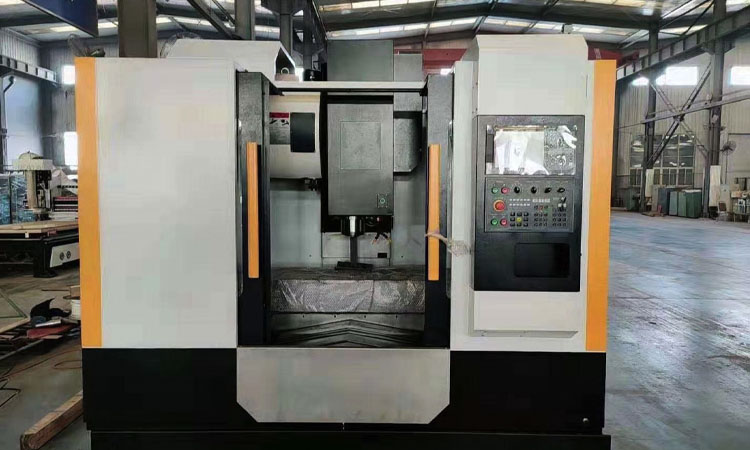
If you're sourcing a horizontal machining center and want casting, spindle test, or FAT documentation before releasing your RFQ, feel free to contact us for the latest specifications and a quote.