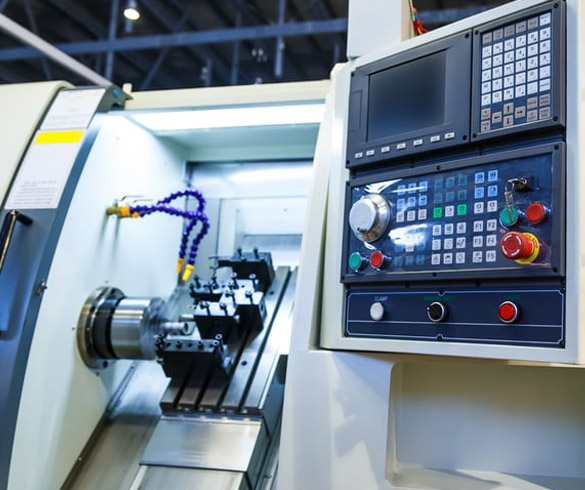
CNC Horizontal Machining Center Coolant Selection Guide
What Is a CNC Horizontal Machining Center
A cnc horizontal machining center is a computer-controlled machine tool with a horizontally positioned spindle. It moves the workpiece across multiple axes to perform milling, drilling, tapping, boring, and other cutting operations. The horizontal spindle layout helps chips fall away from the cutting zone, which is particularly useful for deep pockets, castings, gearbox housings, valve bodies, and large structural parts. Coolant is far more than a secondary consideration. It controls cutting temperature, removes chips from the tool, protects workpieces from corrosion, and influences overall production cost. For purchasing managers, the right fluid and delivery system can be just as important as spindle speed, table size, or control brand. This guide covers coolant types, delivery methods, filtration requirements, operating factors, and key buying considerations.
Types of Coolant for Horizontal Machining
Manufacturers generally select from four coolant groups: soluble oil, semi-synthetic fluid, fully synthetic fluid, and straight cutting oil. Soluble oil has a high mineral-oil content and provides strong lubrication for difficult cuts. However, it requires careful concentration control and may generate oil mist if maintenance is poor. Semi-synthetic coolant combines mineral oil with chemical additives, creating a practical balance of lubrication, cooling performance, cleanliness, and cost. Fully synthetic fluid contains no mineral oil and often offers efficient heat transfer, better visibility, and effective chip washing during high-speed machining. Straight oil is used when lubrication is more important than heat removal, including deep threading, broaching, and certain difficult-alloy applications. Water-based fluids are widely used in a horizontal CNC machining center because water dissipates heat efficiently, while oil-rich formulas remain valuable for heavy-duty or low-speed cutting.
Features That Make Coolant Effective
A suitable coolant must handle several tasks at once. It should reduce friction between the tool and workpiece, carry heat away from the cutting edge, prevent chips from welding to the tool, and help maintain a stable surface finish over long production runs. The correct choice also depends on the machine’s pump, tank capacity, nozzle layout, and filtration system. A high-pressure through-spindle system sends fluid directly into a deep hole, while flood coolant from side nozzles may be enough for face milling and open pockets. Operators should monitor refractometer readings, pH, odor, foam, bacterial growth, and tramp-oil levels on a regular schedule. Poor fluid condition can shorten tool life within a single shift. Well-designed machining center coolant systems maintain stable concentration, remove fine particles, and return clean fluid to the cutting area.

Cooling and Lubrication Balance
Cooling alone does not guarantee good machining results. Aluminum often performs best with a clean, low-residue semi-synthetic or synthetic fluid. Stainless steel may require greater lubricity to limit work hardening and built-up edge. Cast iron produces fine abrasive particles, making filtration and settling capacity especially important. Titanium and nickel alloys generate substantial heat and may require high-pressure coolant, carefully selected additives, and controlled flow rates. If the fluid is too lean, tool edges can wear rapidly. If it is too rich, the shop may face higher costs, foam, residue, and more difficult part cleaning. The proper balance depends on the material, cutting speed, feed rate, tool coating, and chip shape—not coolant price alone.
Applications of Horizontal Machining Equipment
Horizontal machining equipment is widely used for parts that require access from several sides or dependable chip evacuation. Automotive suppliers use these machines for engine blocks, transmission cases, suspension components, and die-cast housings. Aerospace plants machine aluminum frames, titanium brackets, and landing-gear components, where temperature control directly affects dimensional accuracy. Energy and petroleum manufacturers process valve bodies, pump housings, flanges, and large connectors. Agricultural machinery companies use horizontal platforms for gearboxes, axle housings, and hydraulic components. A CNC horizontal mill is also well suited to batch production because an automatic pallet changer can reduce loading delays while the second pallet is being machined. In every case, coolant selection must match not only the metal, but also the part geometry, cycle time, chip volume, and planned unmanned operating period.
Coolant for Deep Holes and Enclosed Cavities
Deep holes present a distinct coolant challenge because chips can collect around the drill or boring bar. A side nozzle may not reach the bottom of the hole, and recutting chips can damage the surface or break the tool. Through-tool coolant is often the better option for drills, carbide boring tools, and long-reach cutters. Pressure requirements vary by tool diameter and application, but many production systems operate at approximately 20 to 70 bar for demanding holemaking. Before purchase, the machine builder should confirm pump pressure, flow rate, filtration accuracy, and tool-holder compatibility. For enclosed cavities, an angled nozzle or programmable wash cycle can help clear chips from the fixture and pallet. These details become critical when a horizontal machine runs repeated cycles without an operator nearby.
How Coolant Choice Affects Quality and Operating Cost
Coolant affects far more than cutting temperature. Stable lubrication reduces flank wear and edge chipping, allowing cutting tools to machine more parts before replacement. Effective chip evacuation limits scratches, recutting, and unplanned stoppages. Clean fluid also supports surface finish and helps reduce dimensional drift caused by heat in the workpiece. On the cost side, buyers should account for concentrate consumption, water treatment, tank cleaning, filter elements, disposal, pump electricity, and labor for fluid checks. A low-cost coolant that requires weekly replacement may cost more than a higher-priced formula that lasts several months under controlled conditions. In practice, concentration control is one of the simplest ways to reduce waste. Recording a refractometer reading at the start of each shift can reveal leaks, evaporation, and mixing errors before they affect production.
Filtration and Fluid Maintenance
Filtration should match the material being machined and the size of the chips produced. A magnetic separator is useful for ferrous fines, while paper-band filters, drum filters, hydrocyclones, or centrifuges may be required for nonmagnetic particles and fine sludge. Large cast-iron parts can load filters quickly, so the tank should provide adequate settling volume and easy cleaning access. The coolant tank must also be sized for the machine’s flow rate and anticipated heat load. Operators should remove tramp oil, keep the fluid circulating when necessary, and avoid adding concentrate directly to a stagnant tank. Mixing concentrate into water, rather than pouring water into concentrate, usually creates a more stable emulsion. Record concentration, pH, odor, foam, and appearance. These routine records help maintenance teams detect a failing pump, blocked filter, or biological issue early.

CNC Horizontal Machining Center Price Factors
The purchase price of a machine with a basic flood system differs significantly from that of a production cell equipped with high-pressure through-spindle coolant, fine filtration, an oil skimmer, a chip conveyor, and an automatic pallet changer. Coolant-related options can add noticeably to the initial quotation, yet they may lower tool consumption and downtime in demanding applications. Buyers should compare spindle power, table dimensions, pallet size, axis travel, rapid traverse, control system, pump pressure, tank capacity, filtration type, and service support as one complete package. Workpiece material and annual production volume also determine the right specification. A small job shop may need a dependable standard system, while an automotive supplier operating 20 hours per day may justify higher pressure and automatic monitoring. Request a written quotation that separates the machine, coolant package, installation, training, spare parts, and export packing.
User Guide for Coolant Operation
Before operating a new machine, confirm the coolant concentration recommended by the fluid supplier and test compatibility with the workpiece, tool coating, seals, paint, and fixture materials. Fill the tank with clean water and properly mixed fluid, then run the pump at low speed to check for leaks and unusual vibration. Direct nozzles at the actual cutting zone rather than the outside of the tool. During production, keep the tank above its minimum level, check concentration at least once per shift for demanding work, and remove chips before they block the return path. Do not mix coolant brands without written approval. If foam develops, inspect concentration, water hardness, pump suction, and tramp oil before adding an antifoam product. At shutdown, clean the screen, inspect the filter, and leave the work area free of standing fluid.
Choosing Delivery Pressure and Flow
Flood coolant is suitable for many face-milling, shoulder-milling, and general drilling operations. High-pressure delivery is more useful when chips must be pushed from deep holes or narrow cavities. Through-spindle coolant can improve drill life and hole quality, but it requires compatible tool holders, clean filtration, and a pump sized for the selected tools. Excessive pressure may splash fluid outside the enclosure, disturb a light workpiece, or create unnecessary mist. Too little flow leaves the cutting edge dry. The correct setting should be tested using the selected insert, material, depth of cut, and cycle time. Ask the machine supplier whether the control can manage coolant pressure, air blast, programmable nozzles, and chip-wash functions. These features can make a meaningful difference during unattended production.
MAKCNC as a CNC Machining Center Supplier
MAKCNC supplies CNC Machining Center, CNC Lathing Machine, and CNC Machine solutions for manufacturers, distributors, and engineering companies. Our product range includes vertical machining center series, horizontal machining center series, gantry processing series, heavy-duty cutting lathe series, CNC oilfield lathe series, and CNC lathe series. Recommended machining center and oilfield lathe products are designed for high speed, high rigidity, high performance, and efficient material removal. Buyers can review the professional cnc machining center solution range for vertical and horizontal configurations, then discuss spindle, pallet, coolant, chip evacuation, and control requirements with our team. For unusual workpieces, MAKCNC also provides customized cnc machines and machining centers from makcnc. The final specification should reflect the part drawing, material, annual output, and factory conditions.
Export Support and Application Experience
Machine selection is easier when a supplier can discuss real production requirements instead of sending only a standard catalog. MAKCNC works with overseas buyers on configuration, packing, shipping documents, installation guidance, and after-sales communication. Our global cnc machinery cases of makcnc provide useful reference points for companies comparing machine layouts and applications. Buyers can also review the about makcnc professional cnc lathing machine manufacturer page to learn more about the company and its product focus. When requesting a quotation, provide the material grade, largest workpiece size, hole depth, required tolerance, target production quantity, and preferred coolant method. This information allows the supplier to recommend a practical configuration rather than an oversized or under-equipped machine.
FAQ of CNC Horizontal Machining Center Coolant
How to choose coolant for a CNC horizontal machining center
Start with the workpiece material, cutting operation, tool type, and production schedule. Aluminum and general steel often work well with a quality semi-synthetic or synthetic water-mix fluid, while difficult stainless steel, titanium, nickel alloy, threading, and broaching may require stronger lubricity. Next, check whether the machine uses flood, mist, high-pressure, or through-spindle delivery. The chosen fluid must be compatible with the pump, seals, paint, filtration unit, tool coating, and wastewater regulations in the destination country. Tank size and maintenance labor also matter. A fluid that works well in a two-shift factory may not suit an unmanned cell unless it resists foam, bacteria, and concentration drift. Ask the coolant supplier for a trial recommendation, then verify surface finish, tool wear, odor, residue, and corrosion protection under controlled conditions.
Which coolant is best for horizontal CNC machining
There is no single best coolant for every horizontal CNC mill. For general steel and cast-iron milling, a semi-synthetic fluid often provides a useful balance of cooling, lubrication, cleanliness, and operating cost. A fully synthetic fluid can be a good choice for high-speed machining, aluminum work, and applications where low residue and clear visibility are important. Straight cutting oil may be preferred for operations requiring heavy lubrication, but it can create more heat, mist, and cleaning work than a water-based product. For deep-hole drilling, the delivery system may matter more than the product label. A well-filtered fluid delivered through the tool can outperform a premium fluid sprayed from the side. Confirm the recommendation with the fluid manufacturer and machine builder before filling the tank.
How does coolant affect CNC machining performance
Coolant affects tool life, surface finish, chip evacuation, dimensional stability, and machine availability. When fluid reaches the cutting edge at the right pressure and concentration, it removes heat and lowers friction. The tool is less likely to chip, wear quickly, or develop built-up edge. Proper flow also washes chips away from the part, reducing recutting marks and preventing packed holes. If concentration is too low, corrosion and poor lubrication may follow. If it is too high, foam, residue, skin irritation, and higher concentrate costs can become problems. Dirty coolant can block filters and pumps, while excessive heat may cause dimensional changes during long cycles. Regular inspection is therefore part of process control, not simply housekeeping. Record coolant conditions alongside tool-life and surface-finish measurements so the production team can identify the connection.
How often should coolant be replaced in a horizontal machining center
Replacement timing depends on tank volume, material, operating hours, filtration, concentration control, and contamination levels. A well-maintained system may run for several months, while a small tank processing cast iron or aluminum fines may need service much sooner. Do not rely on a calendar alone. Check concentration, pH, odor, foam, bacterial activity, tramp oil, and visual cleanliness. If the fluid develops a persistent bad smell, unstable emulsion, excessive foam, corrosion, or declining tool performance, investigate the cause and consult the supplier. Before replacing coolant, remove chips and sludge, clean the tank and lines, inspect the pump, and prepare the new mix at the correct ratio. Maintaining a service log helps establish a realistic replacement interval for the machine and prevents avoidable production interruptions.
Choose a Suitable Machine and Coolant Package
Coolant selection should be considered alongside the machine, cutting tools, workholding, filtration, and production plan. A horizontal platform can provide excellent chip control and multi-face access, but results depend on the correct fluid concentration, pressure, filtration, and maintenance routine. If you are looking for a cnc horizontal machining center supplier, contact MAKCNC for the latest quotation and application advice. Our team can help compare horizontal and vertical configurations, coolant packages, customized machining centers, and related CNC lathing machines for your market. Share your part drawings and operating requirements with us so we can recommend a practical solution for tool life, surface quality, and long-term operating cost.