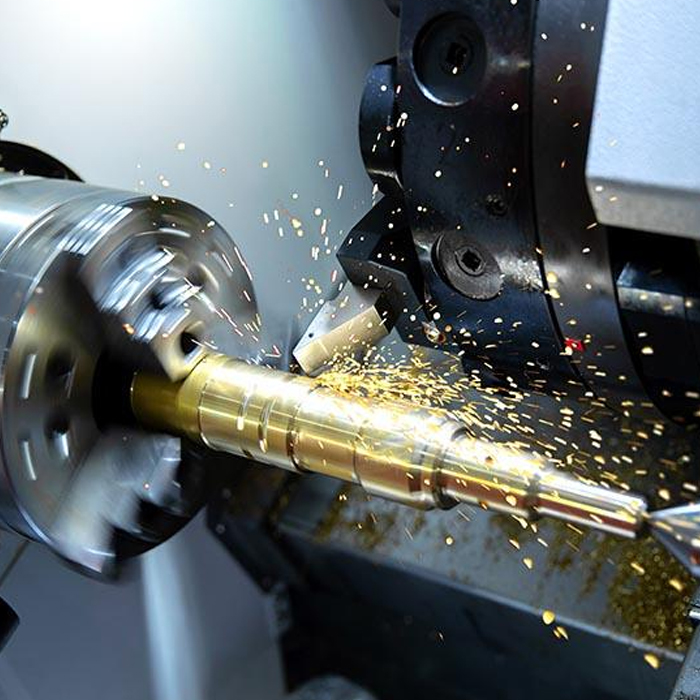
CNC Plasma Cutter Total Cost of Ownership Guide
What Is a CNC Plasma Cutter?
A CNC Plasma Cutter is a computer-controlled machine that uses a plasma arc to cut electrically conductive metal along programmed toolpaths. A typical system combines a cutting table, torch, power source, motion control, height control, software, and consumable parts. For manufacturers, fabricators, and international buyers, the purchase price is only part of the decision. The overall financial outcome also depends on electricity, compressed air or gas, consumables, maintenance, labor, downtime, and usable throughput. A low quotation can become costly when setup takes longer than expected, consumables wear quickly, or service support delays production. Reviewing total cost over five years gives purchasing teams a clearer way to compare suppliers and request quotations that reflect the full operating picture.
Types of CNC Plasma Cutting Equipment
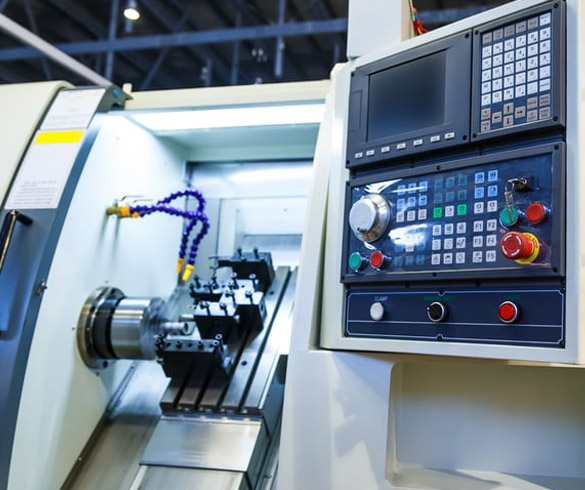
Different production requirements call for different machine configurations. A basic table system may suit fabricators cutting repeatable plate profiles, while an industrial plasma cutter may include a larger working area, automatic torch height control, nesting software, and additional safety equipment. A CNC plasma cutting machine can also be compared by power-source class, table design, cutting-head configuration, automation level, and integration with loading or unloading equipment. A CNC metal plasma cutter is generally selected for conductive materials, while the final process choice depends on the buyer’s material range, plate thickness, part dimensions, edge requirements, and production schedule. Buyers should ask suppliers to specify what is included in the quotation rather than comparing only the table and power source.
Table systems and integrated plasma cutting systems
A table-based plasma cutting system supports the workpiece on a cutting surface while the torch moves through programmed coordinates. It may suit job shops, structural fabricators, agricultural equipment manufacturers, and general metalworking operations. Integrated systems can include software, fume management, torch height control, material handling, or production monitoring. These additions can increase the initial purchase price but may reduce operator involvement and setup time. When comparing systems, record the included controls, software licenses, torch assemblies, starter consumables, spare parts, installation scope, and training. The right type is the one that matches the work mix and available operators, not simply the model with the largest table or highest advertised power.
Features That Affect Five Year Ownership Cost
The most valuable features are those that influence repeatability, labor input, service access, and material utilization. Automatic torch height control can help maintain the programmed cutting position when plate surfaces vary. Nesting software can improve part arrangement on a sheet and reduce avoidable scrap when the cutting plan is prepared properly. A stable motion system can support consistent path following, while accessible consumable parts can shorten routine service work. Buyers should also assess the control interface, alarm records, replacement procedures, electrical requirements, compressed-air connection, fume extraction provisions, and operator training. These details can affect operating economics every working week. Ask for a written list of standard and optional equipment, as a low base price may exclude items required for production.
Why uptime and usable throughput matter
Usable throughput is not the same as the maximum travel speed shown in a brochure. It includes cutting time, loading, unloading, part sorting, setup, programming, inspection, cleaning, and unplanned stops. A machine that cuts quickly but requires frequent manual adjustment may produce fewer acceptable parts than a slower system with more predictable operation. For supplier comparisons, define a representative job and request the same assumptions from every bidder. The job should include material preparation, part count, nesting approach, operator actions, consumable changes, and inspection steps. Do not enter a throughput figure unless the supplier provides a documented basis or your own production records support it. This keeps the worksheet useful without relying on unsupported performance claims.
CNC Plasma Cutter Application Areas
CNC plasma equipment is used by manufacturers and fabricators that need programmed profiles in conductive metal. Typical application areas include structural components, equipment frames, agricultural machinery parts, vehicle-related fabrication, industrial enclosures, communication equipment components, and general contract cutting. The best machine choice depends on part size, production mix, required edge quality, material handling, and the cost of downstream work. If parts need drilling, tapping, turning, or milling after cutting, buyers should review the complete production route rather than assessing the cutter in isolation. MAKCNC supplies professional machining center solutions and CNC equipment for operations that may combine cutting with later machining processes.
Match the machine to the production route
Before requesting prices, list the parts to be cut during a normal month and group them by material, size, shape, and required follow-up work. Separate urgent production from occasional work. A job shop may prioritize quick programming and flexible setup, while a repeat manufacturer may focus on fixture consistency, nesting, and operator efficiency. International buyers should also review local service access, spare-parts communication, electrical compatibility, installation responsibility, and documentation language. These commercial details belong in the ownership review because delayed commissioning or unclear service procedures can create downtime even when the machine itself is technically suitable.
CNC Plasma Cutter Price and Cost Drivers
The purchase quotation commonly covers the machine frame, motion components, cutting power source, torch, controller, software, and certain standard accessories. However, the exact scope varies by supplier. Price can change with table size, automation, software functions, fume control, material handling, torch configuration, installation, training, shipping, and optional spare parts. Buyers should request a line-by-line offer and identify one-time costs separately from recurring costs. Ask whether commissioning, operator instruction, software updates, replacement parts, and remote support are included. A supplier that explains exclusions clearly is easier to compare. The goal is not to select the lowest machine price, but to identify the offer with a cost structure that fits the planned work.
How much does a CNC plasma cutter cost to operate?
There is no single operating cost that applies to every factory. The answer depends on operating hours, electricity consumption, gas or compressed-air use, consumable life, labor rate, maintenance practices, downtime, scrap, and usable output. To estimate the cost, collect actual or supplier-confirmed inputs for one representative production period. Record the hours when the power source is active, the hours assigned to the operator, the number of consumable sets used, maintenance events, and production interruptions. Then divide the total operating expense by accepted parts, finished kilograms, or cutting hours, depending on how your business sells work. Use the same output unit for every supplier. This approach gives purchasing managers a defensible comparison without presenting unsupported universal figures.
Five Year Total Cost Worksheet
A five-year worksheet should start with purchase and installation costs, followed by the recurring expenses that affect production. Use your own electricity tariff, labor rate, gas or compressed-air price, maintenance records, and planned operating schedule. If a supplier provides a forecast, label it as a supplier estimate and confirm the assumptions in writing. The table below provides a structure for collecting comparable data. It does not assume a particular machine price, power consumption, consumable life, labor rate, or output level.
| Cost category | Year 1 | Year 2 | Year 3 | Year 4 | Year 5 | Five-year total |
|---|---|---|---|---|---|---|
| Machine purchase price | Enter quotation | 0 | 0 | 0 | 0 | Sum of years |
| Installation and training | Enter quotation | 0 | 0 | 0 | 0 | Sum of years |
| Electricity | Enter annual estimate | Enter annual estimate | Enter annual estimate | Enter annual estimate | Enter annual estimate | Sum of years |
| Compressed air or gas | Enter annual estimate | Enter annual estimate | Enter annual estimate | Enter annual estimate | Enter annual estimate | Sum of years |
| Consumables | Enter annual estimate | Enter annual estimate | Enter annual estimate | Enter annual estimate | Enter annual estimate | Sum of years |
| Maintenance and spare parts | Enter annual estimate | Enter annual estimate | Enter annual estimate | Enter annual estimate | Enter annual estimate | Sum of years |
| Labor | Enter annual estimate | Enter annual estimate | Enter annual estimate | Enter annual estimate | Enter annual estimate | Sum of years |
| Downtime cost | Enter annual estimate | Enter annual estimate | Enter annual estimate | Enter annual estimate | Enter annual estimate | Sum of years |
| Expected throughput | Enter accepted output | Enter accepted output | Enter accepted output | Enter accepted output | Enter accepted output | Sum of output |
How to calculate CNC plasma cutting costs
Start with the five-year cost total and subtract any documented resale value only if your internal accounting method uses it. Then divide the result by expected accepted output over the same five-year period. The basic formula is: total ownership cost equals purchase price plus installation, electricity, compressed air or gas, consumables, maintenance, labor, and downtime. Unit cost equals total ownership cost divided by accepted output. For a cutting-hour view, divide by productive cutting hours instead. Keep scrap separate from the main formula unless it is included in the material budget. If a supplier provides different output assumptions, calculate each offer twice: once using the supplier forecast and once using your own conservative production plan.
What Consumables Does a CNC Plasma Cutter Need?
Common consumable groups include the electrode, nozzle, shield or retaining components, torch cap components, and other torch-related parts specified by the power-source manufacturer. The exact parts depend on the torch design and cutting process. Consumable expense is affected by cutting hours, start-and-stop frequency, setup quality, air or gas cleanliness, torch height, plate condition, and operator practice. Ask suppliers to list the standard consumable part numbers, unit prices, recommended stock level, and replacement conditions. Do not compare only the price of one nozzle. Record the full set used during a defined production period. A low unit price does not necessarily mean a lower annual cost if replacement frequency is higher.
Control consumable waste
Keep a simple log for each shift. Record the part number, installation time, removal reason, material job, operator, and observed edge condition. This can help show whether premature wear results from poor setup, contaminated air, incorrect height, excessive pierce activity, or normal service life. Store replacement parts in a clean, organized location and follow the supplier’s maintenance instructions. Include planned spare inventory in the ownership worksheet, especially when imported parts require longer purchasing cycles. A clear consumable record also helps buyers challenge vague cost claims during quotation reviews and gives service teams useful information when troubleshooting production issues.
CNC Plasma Cutter User Guide for Installation and Daily Use
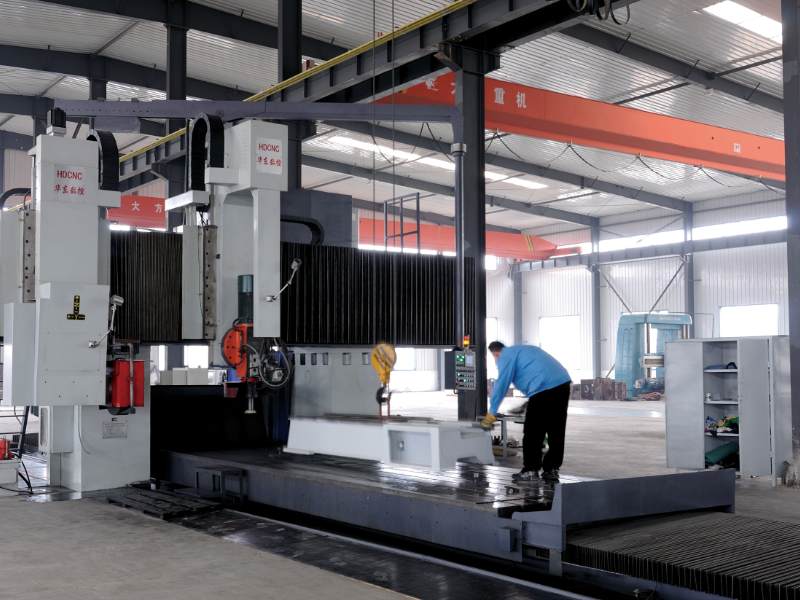
Installation should begin with a written site checklist. Confirm floor space, delivery access, electrical service, compressed-air or gas connection, ventilation, fume management, grounding, safety controls, and material handling. The supplier should identify which tasks belong to the buyer and which belong to the installation team. Before production begins, verify machine leveling, axis movement, torch alignment, height-control operation, software setup, emergency functions, and basic operator procedures. Train operators to inspect consumables, prepare the plate, load the correct program, monitor the cut, and record alarms. Daily checks should be simple enough to complete consistently. Good records can reduce avoidable stops and make future maintenance decisions easier.
Questions to ask before signing a purchase order
- What equipment is included in the quoted machine price?
- Which items are optional, and which are required for production?
- What are the expected electricity and compressed-air or gas inputs under the proposed operating plan?
- Which consumables are supplied, and how are replacement costs calculated?
- What maintenance tasks are expected from the operator?
- Who provides installation, commissioning, training, and service communication?
- How will downtime support be handled for international buyers?
- Can the supplier review a representative part program before final quotation?
Choosing a CNC Plasma Cutter Supplier
A suitable supplier should explain machine scope, operating assumptions, service responsibilities, and quotation exclusions in clear terms. MAKCNC provides CNC Lathing Machine, CNC Machining Center, and CNC Machine products for industrial customers evaluating production equipment. Our recommended machining center series, CNC oilfield lathe, and manual oilfield lathe serve demanding fields including communication, consumer electronics, automotive, aerospace, minerals, agricultural machinery, chemical, petroleum, water conservancy, and geological exploration. Buyers comparing a plasma process with later turning or milling can review our high quality CNC lathe options and global CNC machinery cases for broader equipment planning.
Build the quotation around your worksheet
Send each supplier the same production information and ask for responses in the same cost categories. Include the planned material range, part dimensions, monthly schedule, operator arrangement, available utilities, site location, and service expectations. Request separate prices for the machine, installation, training, consumables, spare parts, software, and optional automation. If your production line may later require milling or turning, ask about compatible equipment planning rather than treating each purchase as an isolated decision. MAKCNC also offers professional CNC equipment support and can discuss customized CNC machines for specific production requirements. Contact us for the latest quotation and a discussion based on your worksheet.
FAQ of CNC Plasma Cutter
How much does a CNC plasma cutter cost to operate?
Operating cost depends on the machine’s actual use and local input prices. Add electricity, compressed air or gas, consumables, maintenance, labor, downtime, and other recurring expenses for the selected period. Then divide the total by accepted output or productive cutting hours. Use supplier data only when the assumptions are clearly documented. For a reliable comparison, measure one representative job and apply the same job profile to every quotation. This prevents a low operating estimate from being based on unrealistic cutting hours or output assumptions.
What consumables does a CNC plasma cutter need?
The usual consumable groups are the electrode, nozzle, shield or retaining parts, torch cap components, and other torch-specific items. The exact list depends on the torch and power-source configuration. Ask for part numbers, unit prices, recommended stock, and replacement guidance. Track actual usage by job so annual cost reflects your production pattern rather than a generic estimate.
How to calculate CNC plasma cutting costs?
List the purchase price, installation, electricity, compressed air or gas, consumables, maintenance, labor, and downtime for five years. Add the categories to obtain total ownership cost. Divide that total by accepted parts, finished weight, cutting hours, or another output measure used by your business. Keep the output definition consistent across all supplier offers. Review the calculation when production volume, utility prices, labor allocation, or maintenance practices change.
Should buyers compare only the machine purchase price?
No. The purchase price shows the initial investment, but it does not show the recurring cost of operating the equipment. A supplier with a higher initial quotation may offer a better fit if the system reduces labor, setup work, consumable waste, or downtime under your actual production conditions. Compare the complete five-year worksheet, confirm what is included, and ask every supplier to explain the assumptions behind expected output and operating expense.
MAKCNC Helps Buyers Review CNC Equipment Costs
MAKCNC Technical Team supports international buyers, manufacturers, fabricators, managers, wholesalers, and engineers who need practical equipment information before requesting a quotation. Our product range includes CNC Lathing Machine, CNC Machining Center, and CNC Machine solutions, with vertical and horizontal machining center series, gantry processing series, heavy-duty cutting lathe series, CNC oilfield lathe series, and CNC lathe series. If you are looking for a CNC equipment supplier, contact MAKCNC for the latest product quotation and discuss your production requirements with our team.