CNC Machine Supplier Export Lead Times Explained
What Is a CNC Machine Supplier?
A CNC Machine Supplier provides computer numerical control equipment for industrial machining, along with product information, order coordination, inspection support, export documentation, and shipping arrangements. For international buyers, a supplier’s role extends beyond manufacturing the machine itself. It also involves confirming the required configuration, coordinating production, preparing equipment for dispatch, and supporting communication among the factory, freight provider, and importing company. A realistic export schedule starts with this broader view. The equipment may include a CNC lathing machine, CNC machining center, or another CNC machine selected for the buyer’s process. Understanding each stage helps purchasing managers set practical installation dates and avoid commitments before production, inspection, documentation, and transport arrangements are confirmed.
Types of CNC Machine Suppliers and Equipment
International buyers may work with a manufacturer, trading company, distributor, or integrated CNC equipment supplier. A manufacturer typically coordinates production and technical confirmation directly, while a distributor may source machines from different brands. A CNC machine supplier China search often leads buyers to factories offering several product lines from one source. MAKCNC has six main product lines: vertical machining center series, horizontal machining center series, gantry processing series, heavy-duty cutting lathe series, CNC oilfield lathe series, and CNC lathe series. Its recommended products include machining centers, CNC oilfield lathes, and manual oilfield lathes. These product groups serve different production requirements, so the expected export schedule depends in part on whether the buyer chooses a standard machine, a special configuration, or a larger system that requires additional coordination.
Common Equipment Categories
- Vertical machining centers: suited to manufacturers that need a vertical machining platform for a range of parts and operations.
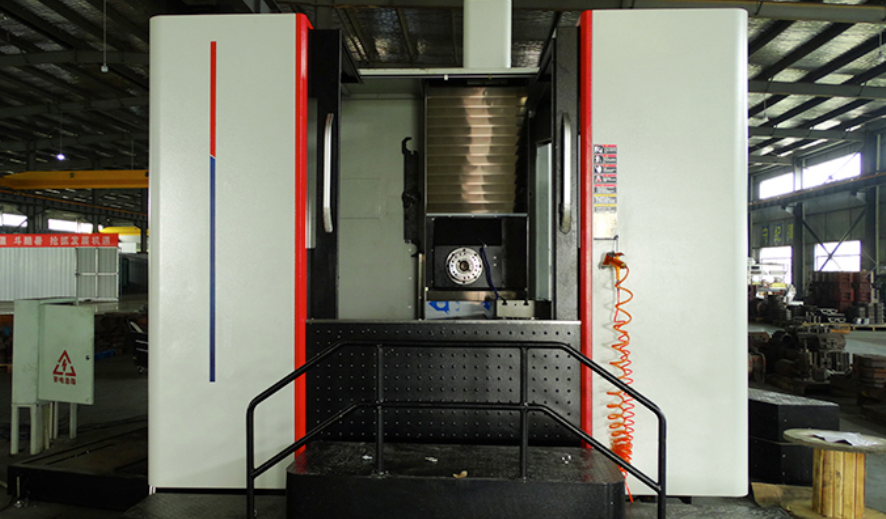
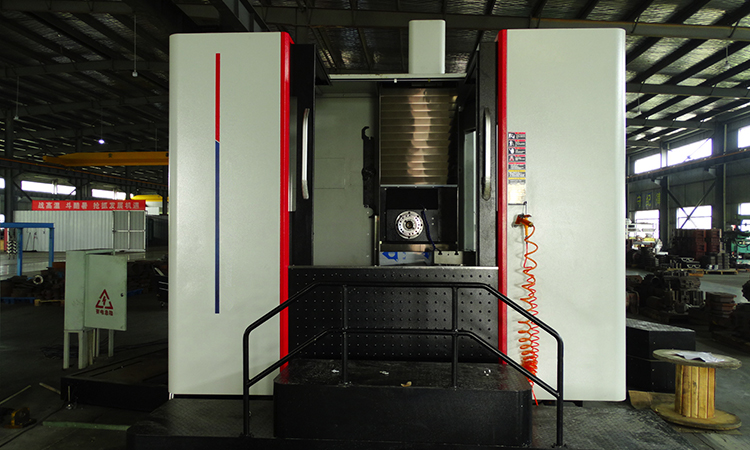
- Horizontal machining centers: selected when the production process requires a horizontal machine arrangement.
- Gantry processing machines: used for processing requirements that call for a gantry-style structure.
- Heavy-duty cutting lathes: intended for demanding turning and cutting work.
- CNC oilfield lathes: designed for oilfield-related machining applications.
- CNC lathes: used for programmed turning processes across industrial sectors.
Features That Affect Export Preparation
A machine’s features can affect the amount of preparation needed before export. Standard equipment may move through order confirmation, production scheduling, inspection, packing, and shipment with fewer decisions. A customized machine may require more technical discussion because the supplier and buyer must agree on the intended application, configuration, control requirements, and supporting equipment before production begins. MAKCNC positions its recommended machining center and lathe series around high speed, high rigidity, high performance, and high efficiency. These product characteristics are relevant to buyers in communication, consumer electronics, automotive, aerospace, minerals, agricultural machinery, chemical, petroleum, water conservancy, and geological exploration. Buyers should distinguish between performance requirements and delivery assumptions. A requested feature may improve production suitability while adding review or preparation steps to the export schedule.
Standard and Customized Orders
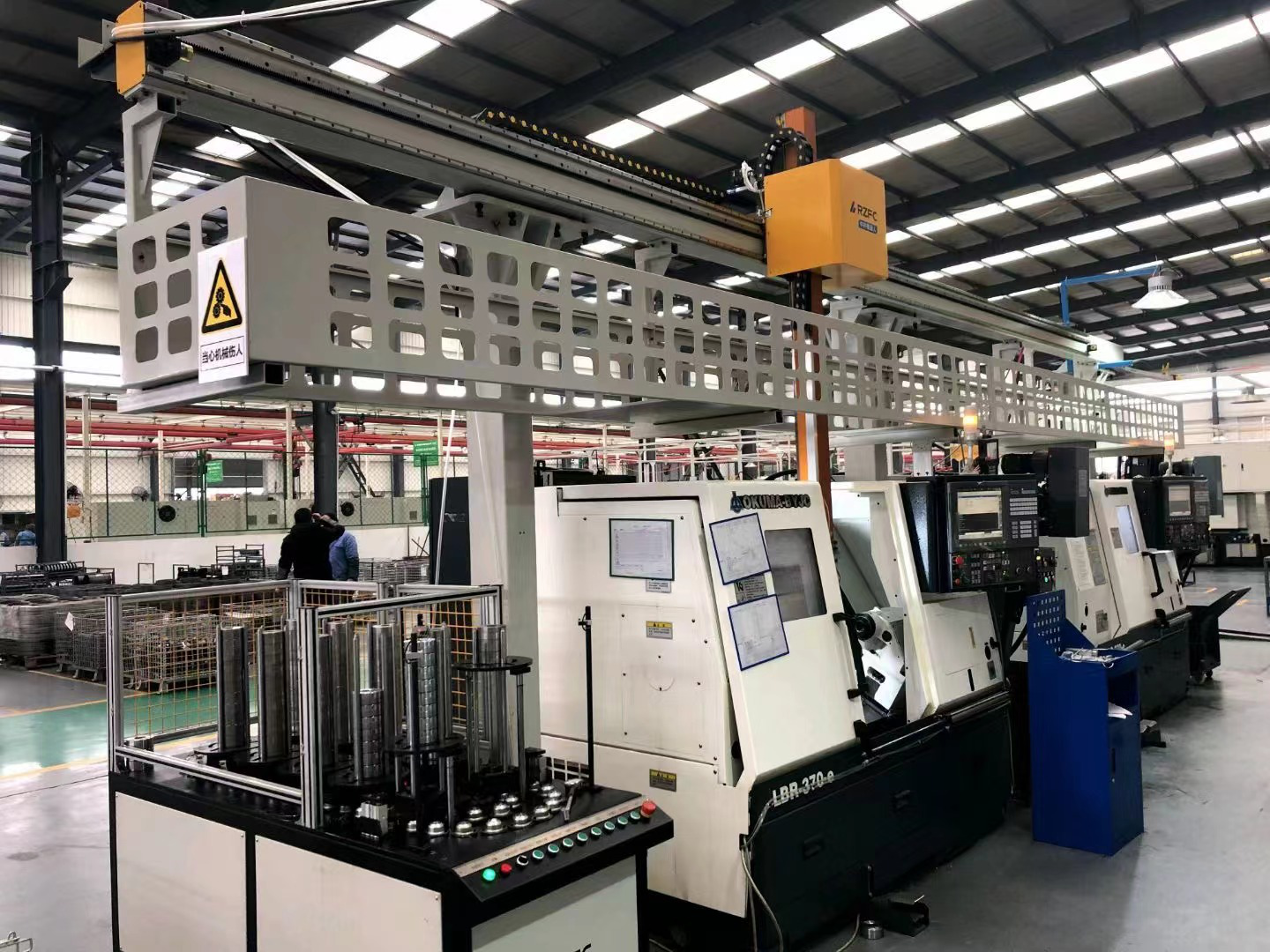
Standard orders are generally easier to schedule when the selected model, configuration, and commercial terms are already clear. Custom orders require closer coordination because the supplier must confirm whether requested changes fit the machine design and production plan. Buyers can support this stage by providing drawings, part information, material details, production goals, power requirements, destination information, and required accessories at the start of the discussion. When details arrive in separate messages, the technical review may need to be repeated. A clear request reduces back-and-forth communication and gives the CNC machine exporter a stronger basis for discussing production and shipping arrangements. For projects involving several machines, buyers should also state whether all units must ship together or whether partial dispatch is acceptable.
CNC Machine Applications and Schedule Planning
CNC machines support production across a wide range of industrial fields, including communication, consumer electronics, automotive, aerospace, minerals, agricultural machinery, chemical, petroleum, water conservancy, and geological exploration. Each application creates different purchasing considerations. An automotive buyer may focus on a repeatable production flow, while an oilfield buyer may need a suitable lathe category and a clear export document package. An engineering team may also need time to review the machine configuration before approving an order. These differences can affect the schedule even when two buyers request equipment from the same product line. A practical plan should connect the machine’s intended use with key order milestones: technical confirmation, quotation approval, payment terms, production, inspection, packing, export documentation, vessel or freight booking, customs clearance, and delivery to the final site.
Plan Around the Installation Date
Buyers should work backward from the date when the equipment must be available for installation or production. Start with expected transport and customs stages, then allow time for export preparation, inspection, packing, and production. The remaining time is available for technical clarification and commercial approval. Do not treat the shipping date as the arrival date. International transport includes activities before loading and after the machine reaches the destination country. Port handling, import customs, local delivery, and site readiness can all influence final handover. If the destination has special import requirements, share them before production begins. Early communication gives the CNC equipment supplier an opportunity to review document requirements rather than discovering them after the machine is packed.
CNC Machine Price and Its Connection to Lead Time
CNC machine price varies according to machine category, configuration, customization, quantity, accessories, packaging needs, delivery terms, and destination-related logistics. Price and lead time are connected, but they are not the same consideration. A lower initial quotation may not include every accessory, document, transport stage, or service expected by the buyer. A detailed quotation should identify what is included and which items require separate confirmation. Customization can affect both the purchase price and the preparation schedule because technical review and production planning may be required. Quantity can also affect production arrangements, especially when the buyer requests multiple machines or wants all units dispatched together. When comparing a CNC machine exporter with another source, evaluate the full commercial scope and order milestones rather than comparing equipment price alone.
Questions to Include in a Quotation
- Which machine model and configuration are included?
- Are requested changes included in the quoted scope?
- Which accessories and supporting items are supplied?
- What inspection and acceptance steps are planned?
- Which export documents will be prepared?
- What delivery term and destination information are being used?
- Will the machines ship together or in separate consignments?
- Which buyer approvals are needed before production starts?
CNC Machine User Guide for Import Scheduling
A reliable import schedule begins with an organized order file. The buyer should appoint one person to coordinate purchasing, engineering, logistics, and finance, then maintain one approved version of the machine requirements. Confirm the model, configuration, destination, consignee information, power details, packaging expectations, inspection method, and document requirements before authorizing production. Ask the supplier to divide the schedule into visible stages instead of providing one broad delivery statement. Useful stages include technical confirmation, order approval, production scheduling, manufacturing, inspection, packing, document preparation, freight booking, dispatch, and destination delivery. The buyer should also confirm who handles customs communication and who receives the original or electronic documents. This process does not eliminate every external delay, but it makes responsibilities easier to identify and gives both parties a clearer basis for updates.
Inspection and Documentation Checklist
Inspection is the stage at which the buyer and supplier check whether the prepared machine matches the confirmed order. The inspection plan should be agreed before the equipment is ready, including the items to review, the records to provide, and the method for handling questions. Documentation commonly requires coordination among the supplier, freight provider, customs representatives, and buyer. Product information, commercial documents, packing information, transport documents, and destination requirements should be reviewed for consistency. A mismatch in the model description, consignee details, or shipping information can create avoidable administrative work. Buyers should provide accurate company and destination data early and respond promptly when the supplier requests confirmation. This is particularly important when the machine is customized or when several units are exported under one purchasing project.
customized CNC machines can be considered when standard equipment does not match the required process. The final schedule should be discussed with the technical team before the commercial order is finalized.
What Affects CNC Machine Export Lead Times?
Several factors affect CNC machine export lead times. The first is order clarity: incomplete technical information can delay quotation approval and production release. The second is customization, since special requirements may need engineering review or a different production arrangement. The third is production scheduling, especially when the machine is made to order or when the buyer requests several units. The fourth is inspection, because timing depends on when the equipment is ready and how the buyer plans to review it. The fifth is documentation, including the accuracy and timing of export information. The sixth is shipping, which depends on freight booking, port handling, customs processes, and the destination. A professional industrial CNC supplier should discuss these stages openly instead of reducing the entire process to a single unqualified promise.
How Long Does a CNC Machine Supplier Take to Deliver?
How long does a CNC machine supplier take to deliver? There is no single answer that applies to every machine or destination. Delivery depends on whether the selected equipment is standard or customized, whether it fits within the supplier’s production plan, how quickly the buyer approves technical details, and which inspection and shipping arrangements are required. The destination country also matters because export handling, transport, import customs, and inland delivery follow different procedures. Buyers should request a stage-by-stage schedule tied to the specific model and order conditions. The supplier can then explain which stages are planned, which depend on buyer approval, and which are controlled by external logistics providers. This is more useful than relying on a general industry estimate.
What Affects CNC Machine Export Lead Times?
What affects CNC machine export lead times? The main influences are configuration, customization, production capacity within the supplier’s current schedule, buyer response time, inspection requirements, document accuracy, freight booking, port conditions, customs processing, and final-site readiness. A late change to the machine specification can affect more than one stage because the production plan, quotation, packing information, and documents may all need revision. A delay in approval can also prevent the supplier from releasing the order for production. Buyers can reduce avoidable waiting by submitting a complete technical brief, confirming the destination early, agreeing on inspection expectations, and responding to clarification requests through one coordinated channel.
How to Plan a CNC Machine Import Schedule?
How to plan a CNC machine import schedule? Start by defining the required production or installation date, then list every activity that must occur before and after dispatch. Confirm the machine type and configuration, approve the quotation, complete commercial arrangements, and release the order only after the technical information is settled. Next, agree on the inspection and document process with the supplier. Plan for packing, freight booking, export handling, destination customs, inland transport, unloading, and installation preparation. Add communication checkpoints so the purchasing team receives updates as the order moves from one stage to the next. Keep a written record of approvals and changes. This approach helps managers identify dependencies and leaves room for external transport or customs events without placing the entire project at risk.
Choosing a CNC Machine Supplier China Partner
When evaluating a CNC machine supplier China option, international buyers should review the supplier’s product range, technical communication, order process, export coordination, and ability to explain schedule dependencies. A suitable partner should be able to discuss the difference between a standard order and a customized order, identify the information needed for production, and clarify how inspection and documentation are handled. Product fit also matters. MAKCNC supplies CNC Lathing Machine, CNC Machining Center, and CNC Machine products, supported by vertical machining center, horizontal machining center, gantry processing, heavy-duty cutting lathe, CNC oilfield lathe, and CNC lathe product lines. Buyers can review the CNC lathing machine range or explore a professional CNC machining center solution before requesting a project-specific quotation.
Why Product Fit Comes Before a Delivery Promise
A delivery discussion is useful only when the proposed machine can perform the intended work. Buyers should first match the equipment category to the part, process, industry, and operating requirements. MAKCNC’s machining center and lathe products are positioned for use in sectors such as automotive, aerospace, petroleum, agricultural machinery, and geological exploration. A buyer can then discuss the configuration, inspection plan, and export route with greater clarity. For a vertical machining requirement, the vertical CNC machining center MV1380 is one product page available for review. The aim is not to select equipment based on a delivery claim alone. It is to select equipment that fits the work, then build a schedule around confirmed technical and logistics information.

MAKCNC as an Industrial CNC Supplier
MAKCNC is an industrial CNC supplier serving buyers who need CNC Lathing Machine, CNC Machining Center, and CNC Machine products for industrial applications. The company’s product lines cover vertical and horizontal machining centers, gantry processing machines, heavy-duty cutting lathes, CNC oilfield lathes, and CNC lathes. Its recommended machining center series, CNC oilfield lathe, and manual oilfield lathe are described with high speed, high rigidity, high performance, and high efficiency. For buyers, early supplier communication has practical value: it allows the machine category, configuration, inspection requirements, documents, and shipping plan to be discussed as part of one order. If you are looking for a CNC machine supplier, contact MAKCNC for the latest product quotation and a schedule based on your required equipment and destination.
FAQ of CNC Machine Supplier Export Lead Times
Can customization delay an overseas CNC machine order?
Yes. Customization may require additional technical confirmation, configuration review, production planning, inspection preparation, and document updates. The effect depends on the requested change and whether it is confirmed before production begins. Buyers can help by submitting complete requirements at the quotation stage, including application information, part details, desired machine category, accessories, destination, and inspection expectations. They should also ask which requested items are standard and which require special coordination. Clear written approval reduces the chance of changes being introduced after production has started. When a customized configuration is necessary, a transparent, stage-based schedule is more useful than comparing it directly with a standard machine order.
Why should inspection be planned before shipment?
Inspection should be planned before shipment because it gives the buyer and supplier a shared method for checking the prepared equipment. The parties can agree on what will be reviewed, which documents or records are required, and how questions will be handled. If inspection expectations are introduced after packing or freight booking, the dispatch plan may need to change. Early agreement also helps the buyer arrange appropriate technical participants and organize approval records. Inspection is part of the export schedule, not a separate activity added at the end. Including it in the original purchasing plan helps connect production completion with packing, documentation, and freight arrangements.
What should buyers ask a CNC machine exporter before ordering?
Buyers should ask which machine model and configuration are proposed, what information is needed for technical confirmation, whether the order is standard or customized, how production scheduling will be handled, and what inspection process is available. They should also confirm the export document package, packing arrangements, delivery term, destination responsibilities, and the process for receiving schedule updates. If more than one machine is ordered, ask whether the units will be completed and shipped together. These questions help buyers compare suppliers on more than price. They also create a written record of the assumptions behind the proposed export schedule, making later changes easier to identify and discuss.
How can MAKCNC help with a CNC machine purchase?
MAKCNC can discuss its CNC Lathing Machine, CNC Machining Center, and CNC Machine product lines with international buyers and help identify a suitable equipment category for the intended application. The company’s range includes machining centers and lathe series for sectors such as communication, consumer electronics, automotive, aerospace, minerals, agricultural machinery, chemical, petroleum, water conservancy, and geological exploration. Buyers can review the global CNC machinery cases section for additional company information, then contact MAKCNC with the required machine type, configuration, destination, and purchasing schedule. If you need a CNC machine supplier, contact MAKCNC to obtain the latest product quotation and discuss a realistic export plan.