CNC Machine Tool Machining Centers Spare Parts Planning
What are CNC Machine Tool Machining Centers?
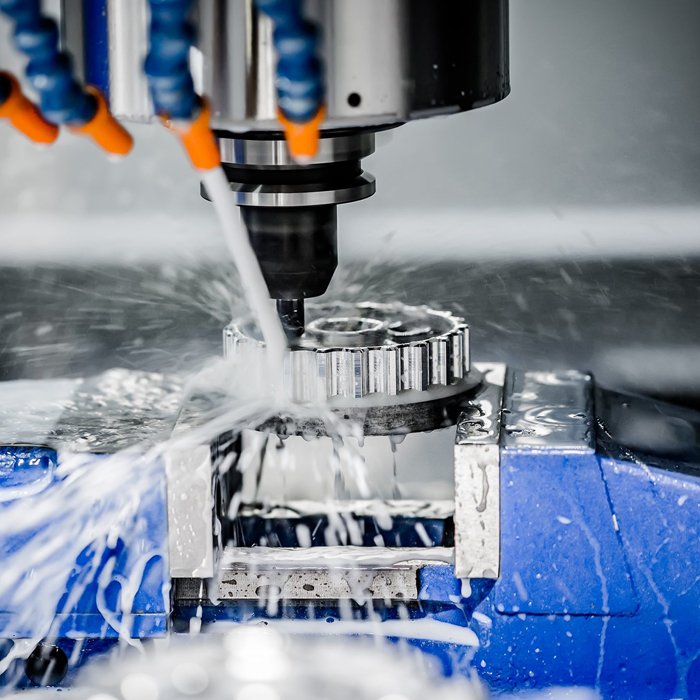
cnc machine tool machining centers are computer-controlled production machines used for milling, drilling, tapping, boring, and finishing metal parts with repeatable accuracy. A machining center typically combines a spindle, worktable, multiple axes, tool changer, control system, lubrication unit, coolant equipment, and protective enclosure. Unlike a single-purpose machine, it can complete several operations in one workholding setup. Spare parts planning involves identifying the components most likely to interrupt production, then arranging the correct quantities, storage conditions, supplier contacts, and replacement procedures before a failure happens. For export buyers and factory managers, this is more than a purchasing task. It directly affects delivery commitments, maintenance costs, operator safety, and the working life of every machine.
Types of CNC Machine Tool Machining Centers
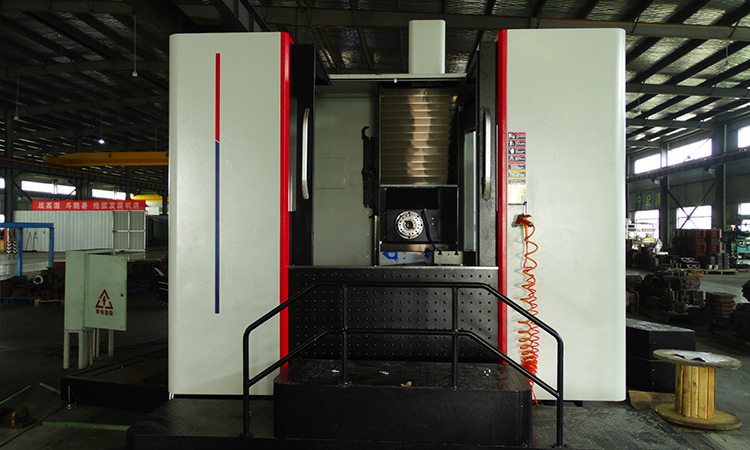
Factories generally choose vertical, horizontal, gantry, or special-purpose machining centers based on part size, access requirements, and production volume. Vertical models are widely used for dies, plates, brackets, housings, and general components because the spindle layout gives operators easy access to the work area. Horizontal models are better suited to deeper parts, multi-side machining, and production lines where reliable chip evacuation matters. Gantry machines are designed for large frames, molds, welded structures, and heavy workpieces. Buyers may also combine machining centers with turning equipment, truss manipulators, probing systems, or automatic pallet changers. MAKCNC supplies several machine families, including vertical models such as the vertical CNC machining center MV1380 and horizontal equipment for factories that require a different workholding arrangement. Each type uses some common service items, but its spindle, axis drive, tool-change system, and control cabinet may need model-specific parts.
Features of CNC Machine Tool Machining Centers
Effective spare parts planning starts with an understanding of the machine’s main operating systems. High-speed spindles depend on proper lubrication, clean air, balanced tooling, and suitable bearings. Ball screws, linear guides, couplings, and servo motors control axis movement, so contamination or poor alignment can affect surface finish well before a complete failure occurs. The electrical cabinet contains drives, relays, fuses, contactors, power supplies, cooling fans, and controller modules. A tool magazine adds grippers, proximity switches, arms, chains, and sensors to the service list. These machining center components do not wear at the same rate. Filters and wipers may need frequent replacement, while a servo drive or spindle encoder can remain in service for many years. The maintenance plan should rank parts by failure impact, replacement lead time, storage life, and compatibility with the exact machine configuration.
Consumables and Wear Components
Consumables are among the easiest items to manage and should be included in the regular purchasing cycle. Typical examples include hydraulic oil, way lubricant, coolant filters, air filters, cabinet fans, wiper seals, collets, tool holders, cutting inserts, belts, and fuses. Wear components need closer inspection because their condition changes with cutting load, material type, coolant quality, and operating hours. Linear guide wipers can collect chips, while a damaged coupling may cause positioning errors. Door rollers, chuck jaws, drawbar springs, tool-change fingers, and chip-conveyor chains also require attention. Maintain a list that includes the part number, machine model, installed quantity, recommended replacement interval, and storage location. This simple record helps maintenance staff distinguish a routine consumable from a component that needs engineering approval.
CNC Machine Tool Machining Centers Application
These machines are used for automotive parts, aerospace structures, agricultural machinery, pumps, valves, molds, communication equipment, consumer electronics, energy equipment, minerals processing, petroleum tools, water conservancy equipment, and geological exploration. The application affects spare parts risk. A factory cutting cast iron may replace filters and wipers more often because abrasive dust enters the work zone. An aerospace supplier machining aluminum may focus more heavily on spindle cooling, high-speed tooling, and chip evacuation. An oilfield component producer may require heavy-duty workholding, large-diameter tooling, and dependable axis drives for long machining cycles. Production managers should record the material being cut, average spindle load, daily operating hours, coolant type, and number of shifts. For example, a two-shift plant running 16 hours per day needs a different stock level than a prototype workshop operating 30 hours per week.
What CNC Machine Tool Spare Parts Should Be Stocked?
The most useful CNC machine tool parts inventory is selected by risk, not price alone. Keep common fuses, filters, lubrication tubes, cabinet fans, proximity sensors, door switches, belts, wipers, relays, and coolant-pump seals on site. These parts are usually affordable, yet their absence can stop production. For higher-value items, consider a shared regional stock arrangement or supplier-held inventory for servo drives, spindle encoders, power supplies, tool-changer motors, spindle bearings, and control modules. Record whether each item is new, repaired, tested, or removed from service. Do not mix visually similar sensors or cables without confirming voltage, connector type, signal format, and machine software requirements. The correct part number, revision level, and wiring information matter just as much as physical dimensions.
Electrical Parts and Control System Items
Electrical failures can be difficult to diagnose when the factory lacks complete documentation. A service file should include cabinet drawings, drive parameters, PLC backup files, alarm codes, motor ratings, fuse specifications, and photographs of connectors. Common electrical items include CNC control batteries, relays, circuit breakers, contactors, cooling fans, terminal blocks, communication cables, servo amplifiers, encoder cables, and 24-volt power supplies. Batteries have a limited service life even when the machine is idle, so the replacement date should be written in the cabinet maintenance record. Store sensitive CNC machining center spare parts in dry, dust-free packaging with static protection. Before replacing a drive or control board, technicians should isolate the power supply and confirm the fault. Guesswork can damage a new module or erase stored parameters.
How to Build a Machining Center Parts Inventory
Start with an asset register for every machine in the factory. Include the model, serial number, control brand, spindle rating, table size, installed options, installation date, and production role. Next, divide parts into three groups: “on-site stock” for low-cost items that can stop a shift, “planned stock” for parts ordered during scheduled maintenance, and “supplier-supported stock” for expensive or rarely used assemblies. Set a minimum quantity and reorder point for every stocked item. A straightforward formula is monthly consumption multiplied by supplier lead time in months, plus a safety quantity based on production risk. If a filter is used at a rate of 6 per month and delivery takes 2 months, an initial stock level of 15 to 18 units may be reasonable. Adjust that number after three to six months of actual usage. Label shelves by machine family, not only by part description.
CNC Machine Tool Machining Centers Price Factors
Spare parts pricing varies according to material, precision, brand, control generation, testing requirements, and shipping destination. A standard filter or fuse may cost very little, while a tested spindle motor, servo amplifier, encoder, or tool changer can represent a significant maintenance expense. Export buyers should compare the part price with freight, customs charges, local service labor, warranty terms, and the financial cost of an idle machine. A low-priced, unverified board can create longer downtime than a higher-priced tested replacement. Model-specific options also affect the quotation. Two machines with the same external size may have different spindle power, tool capacity, servo motors, or controller versions. When requesting a price, provide the machine model, serial number, part name, original code, photographs, voltage, and fault description. This gives the supplier enough information to quote the correct item.
How to Plan Spare Parts for CNC Machining Centers
Planning should reflect the machine’s service history and the factory’s delivery commitments. First, identify the parts that can stop all production, such as a spindle drive, main controller, hydraulic pump, or tool-change mechanism. Second, review supplier lead time and confirm whether the part is still manufactured. Third, calculate consumable and wear-item usage from actual maintenance records. Fourth, create a replacement calendar for batteries, filters, belts, lubricants, and wipers. Finally, make sure operators understand the alarm response and technicians have drawings, parameter backups, and installation instructions. For an export buyer operating several identical machines, standardizing control options and spindle specifications can reduce the number of different parts required. MAKCNC can also discuss customized CNC machines and machining centers when a production line needs special travel, tooling, automation, or workholding arrangements.

CNC Machine Tool Machining Centers User Guide
Correct daily operation prevents many spare parts failures. Operators should remove chips from the work zone, check lubrication levels, inspect coolant concentration, and watch for unusual spindle noise or axis vibration. The machine should warm up according to the manufacturer’s procedure, especially after a cold start or extended shutdown. Keep doors closed during cutting and avoid directing compressed air toward linear guides, seals, or electrical cabinets. Inspect tool holders for damage before loading them into the magazine. During planned maintenance, lock out power, release stored pressure, and follow the service instructions for the specific model. Record every replaced part, alarm number, operating hour, and cause of failure. This information turns a basic storage list into a practical maintenance system. If a problem repeats, inspect alignment, lubrication, programming, cutting conditions, and installation quality instead of replacing the same part without diagnosis.
How to Reduce Machining Center Downtime
Downtime decreases when detection, diagnosis, parts access, and technician response are planned together. Train operators to report spindle temperature changes, abnormal sounds, tool-change hesitation, coolant flow issues, and recurring alarms immediately. Maintenance teams can use a weekly inspection sheet and review stoppage minutes by cause each month. Keep controller backups in two separate locations and record the correct parameter version for every machine. For machines with long import lead times, ask the supplier whether repaired or tested assemblies are available, and clarify warranty terms before purchase. A planned maintenance shutdown of four hours is usually easier to manage than an unexpected failure during a delivery deadline. Automation can also support repetitive production. MAKCNC has documented the truss manipulator applied in vertical CNC machining center for production environments where automatic loading can support stable cycle times and reduce manual handling.
FAQ of CNC Machine Tool Machining Centers
How to plan spare parts for CNC machining centers?
Begin with the machine model, serial number, control system, spindle specification, and installed options. List every service part and rank it by production impact, failure frequency, price, storage life, and supplier lead time. Keep inexpensive, high-use items such as filters, fuses, wipers, fans, belts, sensors, and lubrication supplies on site. For expensive assemblies, consider supplier-held stock, a repair exchange program, or a shared stock plan for machines using the same configuration. Review consumption every quarter and revise reorder points based on actual operating hours. A written plan should also include drawings, software backups, test procedures, contact details, and the name of the person authorized to approve an emergency purchase.
What spare parts do CNC machine tools need?
Most machines need consumables, wear components, electrical parts, and occasional major assemblies. Consumables include lubricants, coolant filters, air filters, fuses, and cutting tools. Wear components include wipers, belts, seals, coupling elements, tool-holder fingers, drawbar springs, and chip-conveyor parts. Electrical stock may include cabinet fans, batteries, relays, contactors, sensors, cables, power supplies, and drive components. Depending on usage, a factory may also need spindle bearings, encoder units, hydraulic pumps, pneumatic valves, servo motors, or tool-changer assemblies. The exact list must match the machine’s part codes and installed options. A vertical unit, horizontal unit, and gantry machine may use different components even when they share a similar controller.
How to reduce machining center downtime?
Use preventive maintenance, operator inspections, accurate alarm records, and a defined spare parts list. Check lubrication, coolant, filters, belts, cabinet temperature, spindle condition, and axis movement at planned intervals. Keep the most failure-prone, low-cost items available and arrange a response plan for long-lead electrical or spindle assemblies. Back up CNC parameters and PLC data before a fault occurs. Train technicians to confirm voltage, wiring, software revision, and mechanical alignment before installing a replacement. Review the cause of every stoppage instead of recording only the replaced part. Factories with several machines can reduce delays by standardizing controls, motors, and sensors where the production specification allows. Supplier training and remote troubleshooting can also shorten the time between an alarm and a safe repair.
MAKCNC CNC Machine Tool Supplier
MAKCNC manufactures CNC Lathing Machine, CNC Machining Center, and CNC Machine products for industrial buyers, distributors, and production companies. Our machining center and CNC oilfield lathe products are designed for high speed, high rigidity, strong performance, and efficient metal cutting across automotive, aerospace, petroleum, agricultural machinery, chemical, mineral, communication, and geological applications. Buyers can review the about MAKCNC professional CNC lathing machine manufacturer page and examine global CNC machinery cases of MAKCNC for export supply examples. We support model selection, configuration review, spare parts identification, quotation preparation, and after-sales communication. If you are looking for a CNC machine tool machining centers supplier, contact MAKCNC for the latest product quotation and a practical spare parts plan for your factory.