Horizontal CNC Machining Centers: Practical Ways to Slash Setup Time
What is a Horizontal CNC Machining Center?
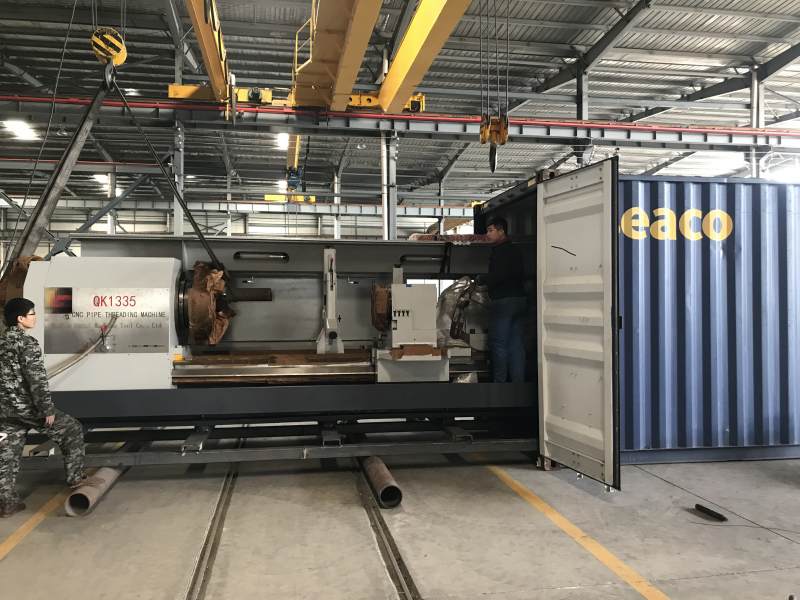
Horizontal cnc machining centers are precision machine tools where the spindle axis is oriented horizontally. Unlike a vertical machine where the tool comes down from the top, here the cutting tool approaches the workpiece from the side. This isn't a trivial design difference. The horizontal layout fundamentally changes how chips fall, how pallets rotate, and how many sides of a part you can reach in one clamping. The spindle is housed inside a column that moves along the Z-axis, while the worktable—usually a built-in rotary table—moves in X and Y. A pallet-changing machining center takes this further, allowing one pallet to be machined inside the enclosure while the operator loads the next one outside. We've seen shops drop their idle time by 40% just by letting the setup and cutting happen in parallel. The result is a machine that practically never stops cutting. For any buyer tracking utilization rates, that's where the real return hides.
Types of Horizontal CNC Machining Centers
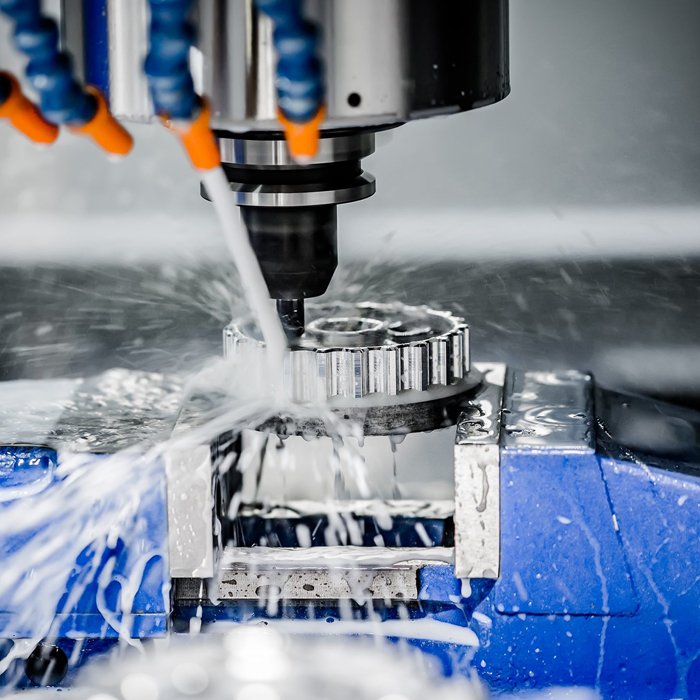
Not all HMC machines fit the same production puzzle. Broadly, you're looking at three configurations that impact how you approach setup. First is the fixed-column, moving-table design. The table slides in X and Z, and the spindle moves in Y. This is common in smaller 400 mm and 500 mm pallet machines. Rigid, straightforward, and easier to automate with robots. Second is the traveling-column type. Here, the column does the moving while the table stays put. That gives you more flexibility for very long parts or when using a tombstone with multiple clamping stations. Then there's the rotary pallet type, which is the core of what most people imagine when they hear "horizontal machining center." A rotary table indexes the workpiece to different faces. Some have dual pallets, others have a multi-pallet pool of six or even twelve pallets. A professional cnc machining center solution often integrates the pallet pool directly into the machine control, so you can schedule different parts for different pallets and run them overnight with zero human touch. For sheer chip-making hours per shift, the pallet pool wins every time.
Features That Speed Up HMC Machining Setup
Setup time isn't just about wrench turning. It's the minutes—sometimes hours—from the last good part of a batch to the first good part of the next. Reducing this window is where a horizontal CNC machining center really earns its footprint on the factory floor. The biggest factor? Pallet readiness. With a pallet-changing machining center, you don't have to blow chips out of the enclosure or wait for the spindle to stop. You load a pre-fixtured tombstone onto the idle pallet outside. The machine swaps pallets in 10 to 20 seconds. That's your changeover. Our data from food packaging machine shops shows a $600 savings per setup just in spindle uptime. Another feature is high-pressure through-spindle coolant that blasts chips sideways and out, keeping the work area clean for the next job. Some machines even have automatic tombstone changers that swap the entire multi-sided fixture in one shot. If a buyer asks what features speed up HMC production, the answer always starts with pallet and tool management. Every second the spindle isn't cutting, you're burning overhead. These features build a moat around your spindle time.
Fixtures That Lock Down Repeatability
Standardizing your fixtures pays back fast. Instead of building a new fixture for every part number, many shops use grid plates or zero-point clamping plates bolted directly to the tombstone. The zero-point system uses pull studs and clamping modules. You can swap a fixture in under 90 seconds with repeatability under five microns. For an international buyer evaluating a CNC horizontal milling center, this means the machine ships ready to accept your existing zero-point plates. We recommend pneumatic or hydraulic automatic clamping as well. Programmable clamping pressure cuts out manual torque wrench checks. Setup then becomes a software command, not a physical intervention.
Applications Where Setup Time Matters Most
The real payoff from these machines shows up in prismatic parts that need work on multiple faces. Think valve bodies, pump housings, hydraulic manifolds. A four-sided tombstone lets you mill, drill, and tap four faces in one clamping. Without a horizontal spindle, you'd need four setups on a vertical machine—four times the fixturing, four times the chance for a datum shift. Automotive parts producers run high quality and durable cnc lathe equipment alongside HMC cells, but it's the HMC that handles transmission cases in one grip. We've also seen strong adoption in aerospace for landing gear components, where the part weighs over 300 kg and flipping it is a crane operation. With an HMC, you clamp it once to the pallet, and the machine does the rotating. Oilfield parts benefit too. Cross-drilled connectors and valve bodies come off the machine with all hole-to-hole relationships true, no stacking tolerance from re-clamping.
Horizontal CNC Machining Center Price Considerations
The sticker price of a horizontal CNC machining center typically lands higher than a comparable vertical. We're talking a spectrum from roughly $150,000 for a basic 400 mm machine up to $500,000-plus for a 630 mm or 800 mm model with a full pallet pool. But isolating price from setup cost is a mistake. A shop running 150 different part numbers a year, with average batch sizes of 20, might lose thousands of hours just to spindle stops. The price equation needs to factor in the cost of those idle minutes. Pallet count drives price. A six-pallet linear system adds maybe $80,000 to the base. Accuracy options like glass scales and thermal compensation packages also push the number up. When you talk to an about makcnc, professional cnc lathing machine manufacturer, you'll find that options like automatic tool length measurement and probing are often bundled into a "productivity package." That upfront cost directly plugs into slashing setup time from day one. Buyers should benchmark cost per hour of spindle cutting time, not just the purchase price. The math often reveals the pricier machine with faster job changeovers is cheaper after six months.
User Guide for Reducing Setup on Horizontal Machines
An HMC's capability to cut fast only matters if your setup process is organized. First, invest in a tool presetter separate from the machine. Measure lengths and diameters offline while the spindle is still munching the previous job. Transfer data via RFID chip or network, not by manual punching. Second, dedicate pallets to part families. Pallet one always handles aluminum housings, pallet two always steel manifolds. This way, you don't clean out aluminum chips before clamping a steel part. Third, sequence operations so roughing happens on one tombstone face and finishing on another. You can then offset tools while roughing continues elsewhere. Buyers often ask how to reduce setup time on horizontal CNC machining centers. The answer begins outside the enclosure. Stage your next job's tombstone, gages, and tool assemblies on a cart during the current cycle. The machine should see zero down-seconds between jobs except for the pallet swap itself. Standardize your workholding bolt pattern too. A grid plate with M12 threaded holes every 50 mm lets operators clamp odd-shaped parts without custom risers. Simple discipline beats heroic improvisation every shift.
MAKCNC as a Horizontal CNC Machining Center Supplier
Vertical and horizontal cnc machine center options from MAKCNC have been deployed in over 30 countries, from pump factories in India to hydraulic shops in Germany. Our horizontal series covers 500 mm to 630 mm pallet sizes, with spindle speeds reaching 10,000 rpm and fast rapids of 36 meters per minute. What separates a mere supplier from a production partner is the willingness to configure the machine around your setup workflow. We pre-integrate zero-point plates from AMF or Jergens. We coordinate with chip conveyors and high-pressure coolant delivery so the machine arrives ready to cut, not ready to be re-engineered. Our test cut reports and ballbar tests ship with the machine. For buyers trying to reduce setup overhead across a product line of 200+ parts, this pre-configuration reduces the time from uncrating to full production by up to two weeks. Contact us for a current quote on a horizontal cnc machining center with the pallet count and spindle specs matched to your part mix.
FAQ of Horizontal CNC Machining Centers
How to reduce setup time on horizontal CNC machining centers?
Use staged pallets with permanent zero-point fixtures. Set tools offline with a presetter. Group parts by material and tombstone design to minimize cleaning and re-indication.
What features speed up HMC production?
Dual pallets and pallet pools let loading overlap cut time. Through-spindle coolant clears chips during the cycle. Automation-ready interfaces connect to robot loaders easily.
How do pallet changers improve CNC machining efficiency?
They decouple part loading from machine cycles. The spindle cuts on pallet A while pallet B is unloaded and reloaded outside. Swap time is around 15 seconds, making job changes nearly instant.