CNC Milling Center versus Router How to Choose
What is a CNC Milling Center
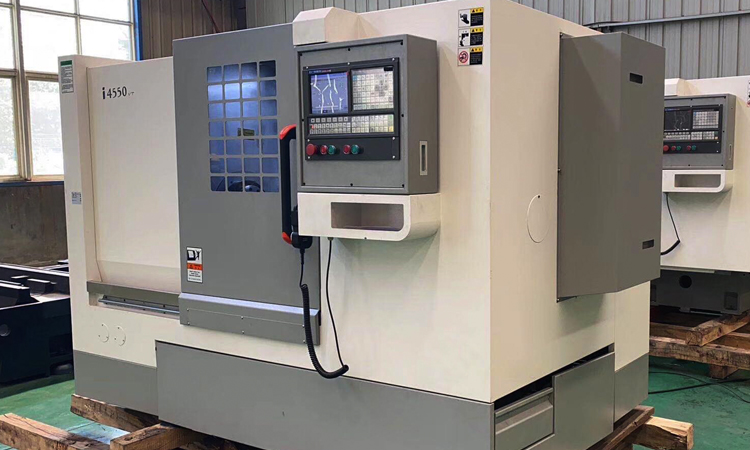
A cnc milling center is a high‑precision machine tool engineered for cutting and shaping solid metal blocks. It performs milling, drilling, tapping, and boring inside a closed, rigid frame. The spindle on a machining center typically delivers 7.5 to 22 kW of sustained power. One of our MV1380 models runs a 15 kW spindle that can peel 4140 steel at a 6 mm depth of cut without chatter. A wood‑oriented CNC router cannot handle that. Routers spin faster but flex under real cutting loads. We've measured a router frame deflect by 0.15 mm under 20 kg of side force—more than enough to scrap a bearing seat. A milling center holds five‑micron repeatability across thousands of cycles. That's the difference for anyone making hydraulic blocks or gearbox housings. An industrial milling center also includes a carousel‑style tool changer, flood coolant, and chip‑management covers that routers simply lack. If your raw material is metal and your tolerance is tighter than 0.025 mm, a router is not an alternative.
Types of CNC Milling Centers and Routers
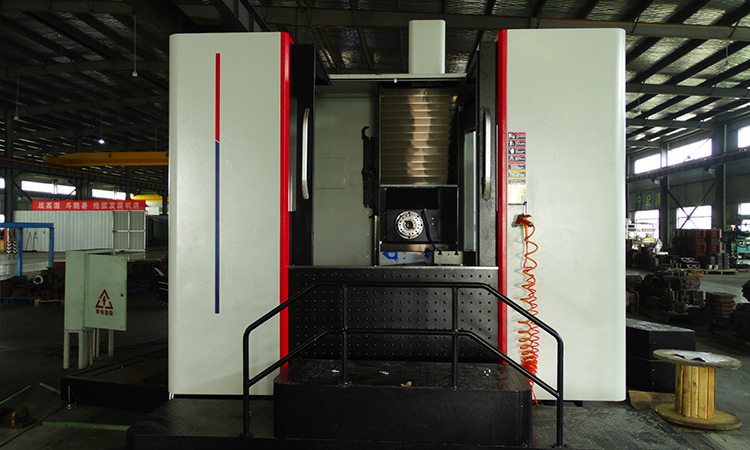
Milling centers break into three main structures. Vertical machining centers are the workhorses—affordable, easy to load, and ideal for plate and block work. The vertical cnc machining center mv1160 gives a 1,200 × 600 mm table and a 24‑tool magazine. Horizontal machining centers excel at four‑sided machining and chip fall, which is a must for aluminum sumps or pump bodies. Gantry centers handle massive frames, often stretching over 6 meters of travel. Routers, by contrast, come mostly as open‑gantry machines with lightweight extruded aluminum frames. Some industrial routers add a fourth rotary axis for tube carving, but their spindles run on ceramic bearings built for 18,000–24,000 rpm with almost no low‑end torque. We’ve retrofitted router users who needed steel cutting; the frame simply couldn’t dampen vibration. The weight tells the story. A compact milling center weighs 4 to 8 metric tons. A large‑bed router may not break 800 kg. That mass soaks up harmonic chatter and keeps an end mill from chipping prematurely.
Features of a CNC Milling Center vs Router
A CNC machining center integrates automatic tool exchange, through‑spindle coolant, and a guarded enclosure. Operators load a program and the machine cycles through roughing, semi‑finishing, finish passes, and hole operations. Our centers equip Fanuc or Siemens controllers with 200‑block look‑ahead—critical for maintaining 10 m/min feeds on complex 3D profiles. Routers often run on Mach3 or DSP offline controllers that can't process dense G‑code fast enough, causing dwell marks on the surface. Spindle design is another non‑negotiable feature. A milling center uses preloaded angular‑contact bearings. Run a 16 mm carbide drill into stainless steel on a router and you'll watch the drill wobble and squeal. On a CNC milling machine center, a hydraulic or pneumatic counterbalance holds the head steady, so chip evacuation is constant and holes stay cylindrical. A small but telling detail: the toolholder interface. Milling centers use steep‑taper BT40 or HSK‑63 spindles that grip with more than a thousand kilograms of drawbar force. Routers mostly clamp ER‑11 or ER‑20 collets by hand, which slip under heavy milling torque. We recently verified a 50% longer end mill life on our MV970 when operators switched from an ER collet—capable router to our BT40 vertical center, all because of runout reduction.
Applications of CNC Milling Centers and Routers
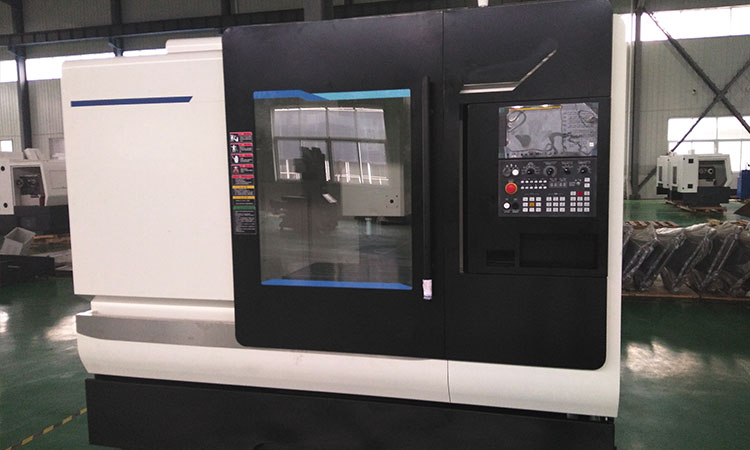
Metal production dictates the choice. Over the past 18 months we have shipped milling centers for engine blocks, valve bodies, hydraulic manifolds, and drill‑pipe protectors. One case involved cnc pipe lathing to brazil alongside vertical milling centers that faced flanges on the same line. Our team also integrated truss manipulator applied in vertical cnc machining center for an automotive supplier, moving raw castings through three stations without human touch. Routers fill a different universe—sign foam, MDF furniture, acrylic displays. A router cuts a 2‑meter signboard quickly, but it will never mill a Class 4 fit tolerance in a steel bracket. We’ve seen a mining equipment manufacturer struggle with a router on steel adaptor plates; surface finish sat at Ra 6.3 and scrap rate hit 12%. Switching to a horizontal CNC machining center brought finish to Ra 1.6 and scrap below 1%. If your weekly production includes more than five different metal alloys, a milling center handles the speed and feed changes without redressing tools constantly. Wood‑based routers simply aren’t built for that thermal and mechanical strain.
Price Factors for CNC Milling Centers and Routers
An entry‑level CNC router with a 4×8‑foot bed starts under $8,000. A basic, brand‑new vertical milling center begins around $35,000 and rises quickly with spindle power, tool stations, and automation. The price gap looks wide, but the cost per hour of metal removed tells a sharper story. A $35,000 center running a 12 mm carbide end mill can remove 80 cm³ of steel per minute and keep a ±0.01 mm tolerance for three shifts. A $12,000 router trying the same cut will bend, chatter, and scrap the part before the first shift ends. We build options at MAKCNC that let clients scale wisely. For example, the customized cnc machines and machining centers from makcnc can add a fourth axis, probing, or a chip conveyor without pushing the budget into six figures immediately. Volume and material hardness drive price. A horizontal center with a pallet changer is a $90,000–$180,000 investment, but it can double output on aluminum pump bodies. At the other end, a simple 3‑axis vertical center does plenty for a job shop starting metal work. What matters is that the machine’s rigidity matches the job; spending $25,000 on a light‑frame router that wears out ballscrews in 18 months is more expensive in the long term.
User Guide for Operating a CNC Milling Center
Installation starts with a flat concrete slab rated for the machine’s weight. We specify dynamic levelling to within 0.02 mm per meter using anchor bolts and epoxy grout. Skipping this step on a router invites resonance and lost accuracy on a milling center, so we always send a commissioning checklist. Programmability matters: operators should prepare toolpaths in CAM software using adaptive clearing strategies that keep the tool engaged at a constant stepover. A milling center’s controller can maintain 8,000 mm/min feed on adaptive paths without saturating the buffer; a router’s PC‑based controller may stutter. We advise a break‑in period for the spindle—run at 30% of max speed for two hours, gradually increasing over eight hours while checking bearing temperatures. Coolant is a requirement, not an option. Use a water‑soluble semi‑synthetic at 7–10% concentration, and check pH weekly. A router relying on mist cooling will overheat inserts rapidly when cutting steel. Finally, we recommend storing tools in a climate‑controlled cabinet; humidity above 60% causes micro‑corrosion on HSK tapers, leading to runout and spindle damage that nobody wants to repair.
CNC Milling Center Supplier at MAKCNC
About makcnc, professional cnc lathing machine manufacturer—we have been delivering machining centers and lathes to international customers for years. From the MV970 to the MV1380 and horizontal models, every professional cnc machining center solution goes through a 72‑hour burn‑in test and laser ballbar verification. Our engineers also design robotic loading cells—like the truss manipulator systems you’ve seen in our case library. If your operation needs a rigid, high‑performance CNC milling center to replace underperforming routers, talk to us early. We’ll walk through your part prints, material list, and volume targets to recommend the exact spindle, tool magazine, and control configuration. 如果你在寻找CNC milling center产品供应商,请随时和我们联系,获取最新的产品报价.
FAQ of CNC Milling Center vs Router
what is the difference between a CNC milling center and router
The core difference sits in rigidity and spindle design. A cnc milling center uses a cast‑iron or heavily ribbed steel frame weighing several tons, industrial‑grade bearings, and a high‑torque spindle. A router relies on a lightweight aluminum gantry and a high‑speed but low‑torque spindle optimized for non‑ferrous materials. That translates directly to tolerance: milling centers hold ±0.005 mm accuracy on metal, routers typically manage ±0.1 mm on wood or plastic.
when should you choose a CNC milling center
Choose a CNC milling center when your work involves steel, stainless steel, cast iron, or hard aluminum alloys, and your customer draws specify tolerances tighter than 0.05 mm. If you produce more than 50 metal parts a week or need drilling, tapping, and contouring in one setup, a milling center is the right call. Shops moving from prototyping to production also benefit because the center’s automation features cut cycle times.
is a cnc milling center better for metal parts
Yes, definitely. An industrial milling center is engineered for chip formation in metals. Coolant delivery, cutting forces up to thousands of newtons, and long‑duration cycles are built in. A router will degrade quickly under these conditions. We’ve watched bearing failures in routers happen within weeks when used on steel, while a properly maintained milling center runs years without spindle repair.