CNC Tapping Machine Buying Guide for Cost Specs and Export Checks
What is a CNC Tapping Machine?
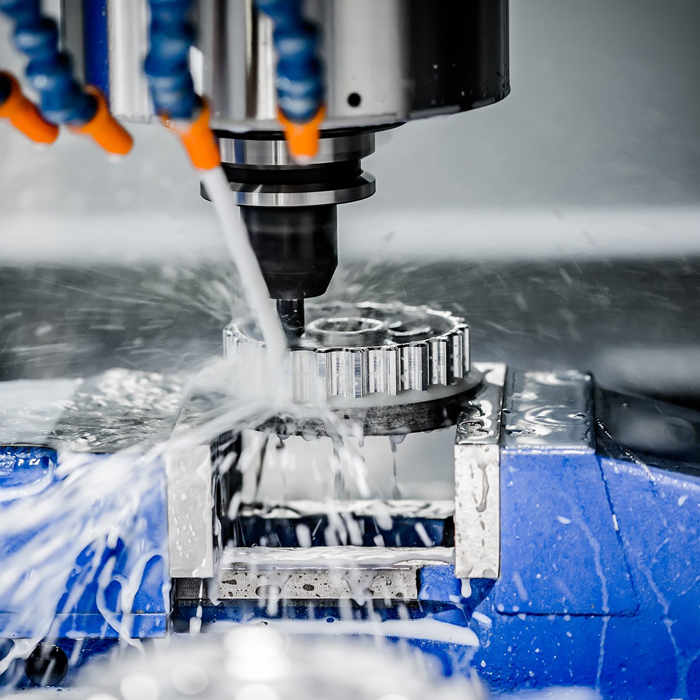
Before comparing quotations, buyers need to understand what a CNC Tapping Machine is designed to do and which specifications affect the total purchase cost. A CNC Tapping Machine is a computer-controlled machine that creates internal threads in prepared holes through coordinated spindle movement and programmed feed. CNC refers to CNC, or computer numerical control, which enables operators to repeat tapping cycles across a production batch. For procurement teams, the machine quotation is only one part of the decision. Buyers must also confirm tapping capacity, spindle torque, tooling, machine construction, freight, installation, and import expenses. These details affect both delivered cost and production suitability. The right machine should match the workpiece material, thread range, batch size, available floor space, operator skill, and local electrical requirements. This guide brings those checks together so manufacturers, distributors, and engineering managers can compare suppliers with fewer gaps in the quotation.
Types of CNC Tapping Machines
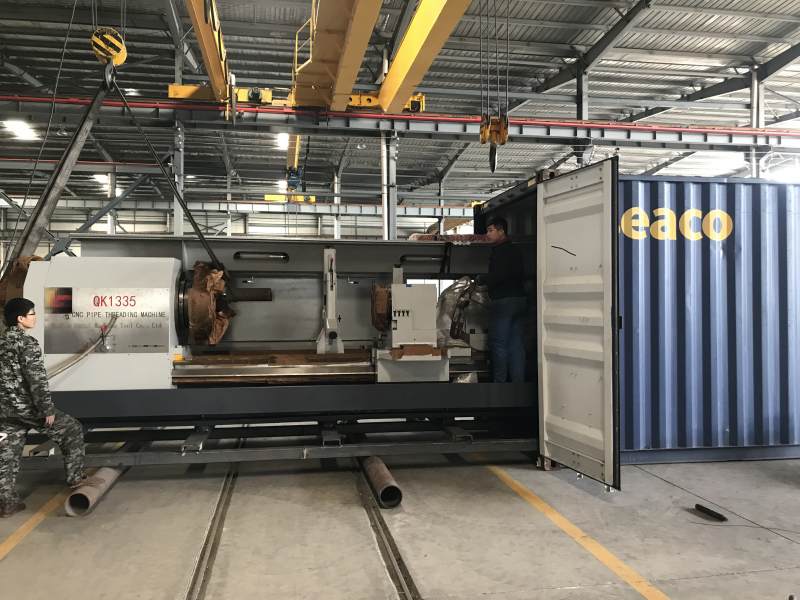
Buyers may consider several machine formats when comparing a CNC tapping center with an automatic tapping machine. A dedicated CNC thread tapping machine is often chosen for repeated thread production and consistent cycle times. A machining center with tapping capability may be more suitable for factories that need drilling, milling, tapping, and multi-face work in one setup. Vertical equipment generally offers accessible loading and a practical layout for many manufacturing applications, while horizontal configurations can support certain workpiece access requirements and production layouts. The right type depends on the number of threaded holes, workpiece geometry, tooling requirements, loading method, and future process plans. Before comparing prices, procurement teams should establish whether the machine is dedicated to tapping or intended as a broader CNC machining platform.
Features of CNC Tapping Machine Equipment
Important CNC Tapping Machine features include coordinated control of spindle speed, feed, and thread depth. Buyers should review the control system, tapping cycle, spindle torque range, tool holding method, worktable arrangement, axis travel, chip removal plan, and guarding. Exact values must come from the supplier’s quotation because they vary by model. For mold work, MAKCNC integrates intelligent feedforward and over-quadrant jump compensation in advanced systems to help address overcut marks, quadrant marks, and vibration patterns. The machine structure commonly uses high-strength cast iron, including resin-sand castings, with aging treatment to support long-term accuracy and rigidity. Taiwan or German high-precision components may be selected for key screws and guideways. These features matter because system coordination can affect finished thread quality, tool life, and repeatable production.
CNC Tapping Machine Applications
A CNC Tapping Machine can support manufacturers producing parts that require repeated internal threads, drilled and tapped holes, or several machining operations in one setup. Typical purchasing discussions include molds, fixtures, machine components, tooling parts, and mixed small-batch work. Mold manufacturers may place greater emphasis on motion control, surface marks, vibration behavior, and dimensional stability. General job shops may focus on flexible programming, quick changeover, and the ability to complete several faces after one clamping operation. For distributors, a suitable product range may include a dedicated tapping model alongside broader CNC machining center options for different customer requirements. Before ordering, list the workpiece materials, thread sizes, hole depths, annual production plan, tool-change needs, and inspection method. This information allows the supplier to recommend a machine based on the application rather than simply offer the lowest initial price.
CNC Tapping Machine Price Factors
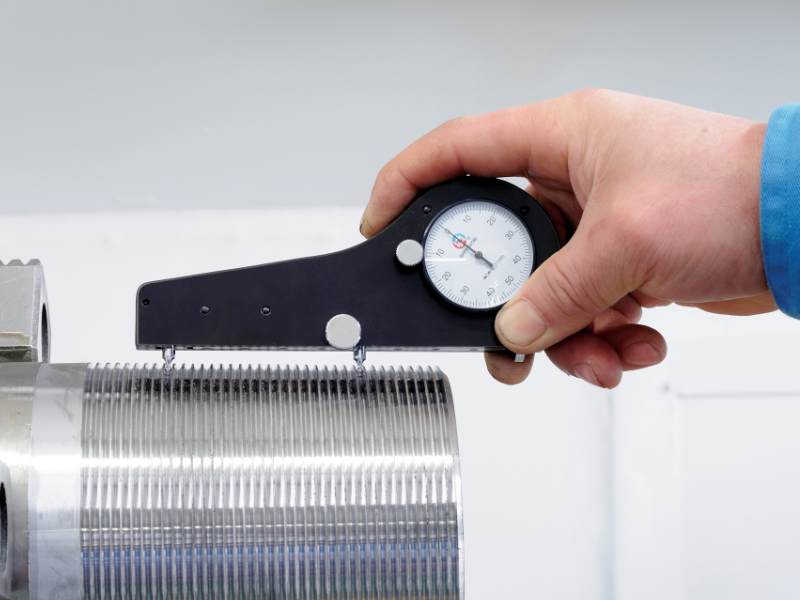
How much does a CNC tapping machine cost? There is no responsible single figure without a machine model, configuration, destination, and service scope. The quoted price can change with the working range, control system, spindle torque, tapping capacity, tooling package, chip management, automation, inspection requirements, packing, and requested options. Export buyers must also separate the factory machine price from freight, marine insurance, import duty, customs handling, inland delivery, installation, operator training, and local taxes. A lower equipment price may become less attractive if it excludes essential tooling or requires costly site work. Ask each supplier to use the same technical and commercial format. State the destination port, preferred Incoterm, voltage, delivery address, required documents, and acceptance conditions. MAKCNC commonly supplies within a 1–6 month period, depending on the model and order arrangement, so the purchase plan should align the quotation with the required production date.
A Landed Cost Worksheet for Export Buyers
A landed-cost worksheet gives procurement teams a clearer comparison than a factory quotation alone. For every CNC Tapping Machine under review, record the same cost fields and request written confirmation of what is included. The worksheet should also retain the technical basis for comparison, because a cheaper machine with lower tapping capacity or insufficient spindle torque may not meet the production plan. Do not enter assumed performance figures. Ask the supplier to complete the capacity and torque fields for the selected model, then verify those values against the formal technical specification and acceptance documents. This approach helps buyers compare suppliers from different countries based on expected delivered cost rather than the headline equipment price alone.
| Worksheet item | What to record | Why it matters |
|---|---|---|
| Machine price | Base model, options, control system, and quotation currency | Defines the starting purchase value |
| Tapping capacity | Supplier-confirmed thread range, hole depth conditions, and workpiece limits | Shows whether the machine matches the planned parts |
| Spindle torque | Supplier-confirmed torque data and operating conditions | Helps assess material, thread, and tool demands |
| Tooling | Chucks, holders, taps, collets, gauges, and spare items included | Prevents missing start-up purchases |
| Freight | Export packing, port charges, insurance, ocean or air freight, and inland delivery | Shows the transport cost to the final site |
| Installation | Technician travel, commissioning, training, leveling, and site preparation | Identifies costs after arrival |
| Import expenses | Duty, customs broker, taxes, inspection, permits, and local handling | Completes the expected landed cost |
CNC Tapping Machine User Guide
How to choose CNC tapping machine torque? Start with the actual tap size, thread form, workpiece material, hole depth, lubrication method, and production cycle. Review torque alongside spindle speed, feed control, tool holder performance, and the supplier’s recommended operating range. A single torque figure without operating conditions can lead to a poor comparison. Prepare sample drawings and request a machining test when the application is demanding. Confirm how programs are transferred, how tool offsets are set, how broken taps are detected, and how chips are cleared. During installation, check the foundation, leveling, power supply, compressed air if required, coolant arrangement, lifting access, and environmental conditions. Keep the acceptance procedure in writing. It should identify the test workpiece, inspection method, training scope, spare parts, and documents supplied with the equipment.
Export Checklist Before Ordering
A practical export checklist can reduce delays between quotation approval and commissioning. First, confirm the exact model, machine dimensions, net and gross weight, packing method, power requirements, control language, and included accessories. Next, request the tapping capacity, spindle torque, working range, tool interface, and test conditions in the technical offer. Confirm the commercial terms, payment stages, lead time, warranty, documentation, and responsibility for installation. The standard warranty is commonly 12 months after whole-machine acceptance, with lifetime paid service available afterward. Some tender projects request three years of free warranty, so this must be agreed before contract signing. Ask for the packing list, commercial invoice, certificate of origin when applicable, inspection records, operation manuals, and electrical documents. Finally, confirm who responds to service requests and how spare parts are supplied in the destination market.
How to Evaluate a CNC Tapping Machine Supplier
A reliable supplier should explain both the machine and the commercial details clearly. Review the manufacturer’s production history, factory organization, quality process, sample machine availability, and engineering support. MAKCNC was established in 2016 and operates multiple production lines, with prototype machines available in stock for selected requirements. Its facility is ISO9001-certified, and its engineering approach covers castings, guideways, screws, control integration, and application matching. Buyers needing broader equipment can review the CNC machining center range, while projects with special layouts or process needs can discuss customized CNC machines. Ask for a written comparison between the proposed machine and your drawings. A supplier that asks about torque, tooling, material, workholding, and inspection often provides more useful technical support than one that sends only a basic price.
FAQ of CNC Tapping Machine
How much does a CNC tapping machine cost?
The cost depends on the machine configuration and destination, so a formal quotation is required. Ask for separate figures for the base machine, tapping capacity, spindle torque, tooling, freight, installation, and import expenses. Options such as control configuration, workholding, chip handling, inspection, automation, and special packing may change the total. The delivery period may also depend on the selected model and factory schedule; MAKCNC commonly works within a 1–6 month range. To obtain a useful quotation, send workpiece drawings, material information, thread details, expected quantity, destination country, power requirements, and preferred delivery terms. A supplier can then define the machine scope and identify excluded costs. Compare the completed landed-cost worksheet rather than choosing only by the first factory price.
What specifications should I check when buying a CNC tapping machine?
Check the machine’s tapping capacity, spindle torque, spindle speed range, working area, axis travel, tool interface, control system, table or fixture arrangement, machine structure, guideways, screws, coolant method, chip removal, and safety features. Also confirm the actual conditions behind each specification, including workpiece material, tap type, thread depth, and hole preparation. Review the accuracy and acceptance method offered by the supplier without assuming figures that are not written in the quotation. Commercial specifications matter too. Confirm machine weight, packing size, power requirements, included tooling, delivery period, warranty, installation scope, training, spare parts, and service response. This checklist helps buyers compare a dedicated CNC thread tapping machine with a machining center that includes tapping functions.
How to choose CNC tapping machine torque?
Choose torque by matching the most demanding planned tap and workpiece condition, rather than using the smallest current job as the reference. List the largest thread, available material hardness or cutting-resistance information, hole depth, lubrication, tap geometry, cycle time, and required tool life. Ask the supplier to provide torque data for the selected spindle and explain the operating range used for the figure. A machining test on representative material can show whether the tool holder, feed synchronization, chip removal, and coolant method are suitable. Buyers should also allow for future parts if the production line will expand. Do not compare torque numbers without checking the measurement conditions and spindle speed. The final selection should connect torque with tapping capacity, tooling, workholding, and the complete production method.
MAKCNC as Your CNC Tapping Machine Supplier
MAKCNC supports manufacturers, distributors, procurement teams, and engineering departments evaluating CNC equipment for new or expanding lines. The product range includes CNC Lathing Machine, CNC Machining Center, and CNC Machine solutions, with options for standard and customized requirements. Our machines use high-strength cast iron structures with aging treatment, while key transmission components may use high-precision Taiwan or German brands. For mold applications, system integration can address overcut marks, quadrant marks, and vibration patterns, and selected equipment can support multi-face machining after one clamping. There is no fixed minimum order requirement, so a single machine can be purchased; multiple-machine orders may receive improved commercial terms for price, delivery, or service. Review our global CNC machinery cases, then contact MAKCNC for the latest quotation, technical review, and export checklist based on your workpieces and destination.