CNC Uses from CAD Files to Finished Parts
What Are CNC Machining Uses?
CNC uses start with a digital blueprint. A part is first modeled in CAD software, then converted into toolpaths that drive an automated machine. This workflow eliminates manual guesswork and makes every piece identical. CNC uses cover drilling, milling, turning, grinding, and even multi‑axis contouring — all within a single setup. The real advantage comes from repeatability. Once a program is proven, thousands of parts can roll off the line with deviation measured in microns. Industrial buyers in oilfield, automotive, and aerospace sectors rely on these processes daily. They need components that fit perfectly the first time, without hand‑fitting or rework. At MAKCNC we have seen how a well‑programmed machining center can turn a rough steel forging into a finish‑machined housing in under twelve minutes. That kind of speed changes how supply chains plan inventory. The concept behind CNC uses is straightforward: let software control the cutter, the feed, the spindle speed, and even the coolant. The operator sets up the raw material, closes the door, and lets the machine execute a sequence that would take a manual machinist half a day to complete. This is why export‑oriented factories invest in CNC technology — it guarantees consistent quality no matter where the end user is located.
Types of CNC Machine Applications
When people talk about CNC machine applications, they often mean three broad families of processes. First, CNC turning — where a workpiece rotates and a stationary tool cuts the profile. This is ideal for shafts, bushings, pipe threads, and oilfield connectors. Second, CNC milling — a rotating tool moves across a clamped block to create pockets, slots, and complex 3D surfaces. Third, drilling and tapping, which are often integrated into machining centers to reduce handling. Beyond these basics, there are specialized applications like wire EDM, laser cutting, and plasma cutting, but for the heavy metalwork that exporters deal with, turning and milling dominate. cnc lathing machine models from MAKCNC handle diameters up to 1250 mm on flat‑bed lathes or precise small parts on inclined‑bed lathes. On the milling side, vertical and horizontal cnc machine center options can swing from 800 mm to massive gantry designs that machine frames for wind turbines. The type of application also depends on batch size. Job shops might run low‑volume, high‑mix CNC production processes, while automotive tier‑one suppliers run a single part family for years. In either scenario, the flexibility of CNC means the same machine can switch from a prototype run to a 10,000‑piece order with nothing more than a program change and a fresh set of jaws. That adaptability is a direct answer to the question of how are CNC machines used to make parts in real factories — they pivot fast without sacrificing accuracy.
Features of CNC Machining Uses
Every discussion about CNC machining uses comes back to four core features: precision, automation, repeatability, and material versatility. A good CNC lathe or machining center holds positioning tolerance within ±0.005 mm if the machine is properly maintained and thermally stabilized. That precision lets manufacturers press‑fit bearings without needing secondary honing. Automation is the second pillar. Bar feeders, pallet changers, and robotic arms turn a standalone machine into a cell that runs unattended overnight. We have installed professional cnc machining center solution lines where a single operator manages three machines, loading raw castings onto a conveyor only twice per shift. The third feature — repeatability — matters most to procurement managers. When a replacement oilfield coupling is shipped to a remote drilling site in Brazil or Iran, the crew on the ground expects the threads to spin on exactly like the original. More about real deployments can be found in global cnc machiery cases of makcnc. Material versatility is the fourth strength. The same CNC platform cuts aluminum at 2000 rpm, then switches to super‑duplex stainless at 60 rpm with carbide tooling. This means a factory can handle communication enclosures, agricultural gearbox housings, and hydraulic manifolds without buying specialized machines. These features combine to answer what products can CNC machines produce — practically anything that can be modeled in 3D and clamped to a table.
CNC Part Manufacturing Applications
CNC part manufacturing spans more sectors than most buyers realize. In the oil and gas industry, cnc pipe lathing to brazil shows how large‑diameter pipe threads and connectors are machined on‑site or in export hubs. In Australia, heavy‑duty components for mining trucks come off large‑swing lathes, and a cnc machine in austrilia highlights that ruggedness and dust‑proofing are critical there. For the consumer electronics sector, CNC uses produce smartphone frames, heat sinks, and connector shells from aluminum billets at volumes reaching millions per month. Aerospace suppliers use five‑axis machining centers to carve turbine blades and structural brackets out of solid titanium. Medical device companies mill hip implants and surgical tools under strict cleanliness protocols. Even water conservancy projects require custom‑machined gate valves and pump housings. In each case, a CAD file is the starting point. An engineer designs the part, simulates cutting, picks the tool, and the CNC machine executes it without interpretation errors. Our Iranian clients have seen how a cnc pipe lathe in iran can produce API threading that passes pressure tests on the first try, avoiding costly re‑export. This cross‑industry footprint is why CNC part manufacturing is considered the backbone of modern industrial supply chains.
CNC Production Processes and Price Factors
Understanding CNC production processes helps purchasing managers budget realistically. The workflow typically begins with a CAD file in STEP or IGES format. CAM software then translates the geometry into G‑code, setting feeds, speeds, and toolpaths. A machine operator loads the raw material — bar stock, billet, or casting — probes the zero point, and launches the program. Cutting, drilling, and finishing happen sequentially, often under high‑pressure coolant. After the cycle, parts go to a coordinate measuring machine for dimensional verification. How does CNC machining turn CAD files into parts? It follows this exact digital chain, leaving no room for manual error. Price is influenced by raw material cost, machine hourly rate, tooling consumption, and labor overhead. Small prototypes may carry higher per‑unit cost due to programming and setup time, while 5000‑piece batches spread these fixed costs thin. Special materials like Inconel or duplex steel consume more carbide inserts and require slower cutting, pushing the quote upward. Value‑added services — surface treatment, assembly, or certification — also add to the bill. A customized cnc machines and machining centers from makcnc approach can sometimes reduce overall cost by combining operations in one fixture. When a buyer asks about price, the smart question is always total landed cost, not just the machine time. A reliable supplier considers packaging, shipping compliance, and after‑sales support in the package.
User Guide for CNC Uses
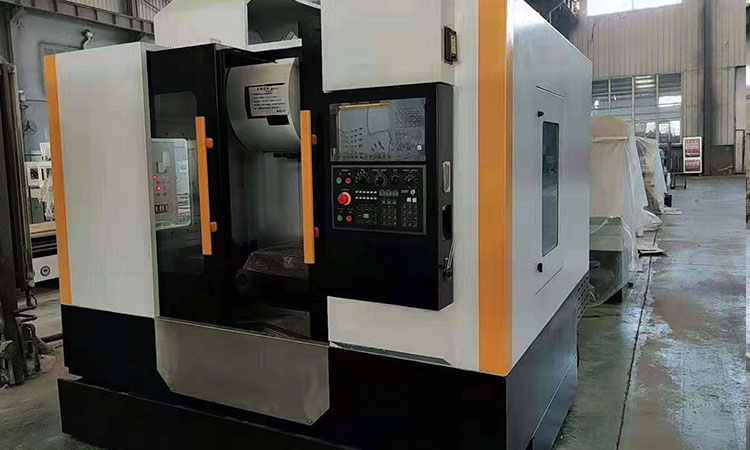
Getting the most from CNC uses starts before any metal is cut. First, verify that your CAD model is watertight and free of gaps. A flawed solid causes the CAM to misinterpret boundaries, leading to crashes or scrapped parts. Next, choose the right machine for the part geometry. Long shafts belong on a high quality and durable cnc lathe, while prismatic parts with pockets and holes suit a vertical machining center. For large gantry components, ensure your facility has adequate foundation and lifting equipment. Before hitting cycle start, double‑check tool offsets and fixture clamp positions. A simple vise can vibrate under heavy cuts if the jaws are not biting on a clean surface. During production, monitor chip evacuation; stringy chips wrapped around a tool will ruin a surface finish quickly. Keep coolant concentration between 5‑8% for general steel, and use neat oil for difficult alloys. After machining, clean and deburr the parts immediately. Corrosion sets in fast on some steels if coolant residue dries on the surface. Inspect the first three pieces manually, then set up in‑process gauging if volumes are high. Finally, maintain your CNC machine. Wipe down linear guides, check oil levels, and schedule spindle vibration analysis every six months. Even the best machine drifts if neglected. These practical steps ensure that your investment in CNC production processes pays back with years of unscheduled uptime.
CNC Supplier – MAKCNC
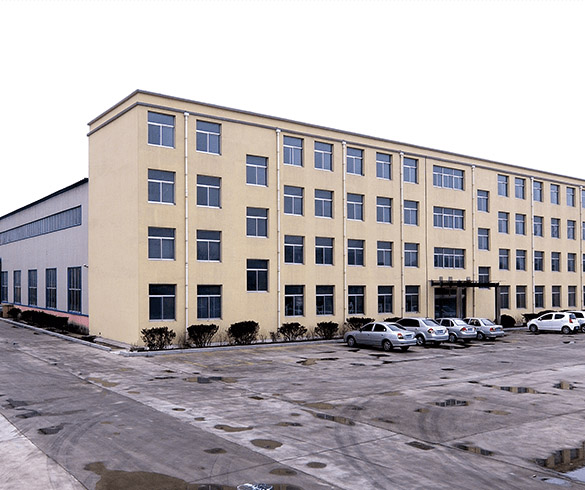
When sourcing professional cnc lathing machine manufacturer partners, buyers look for engineering depth. MAKCNC builds six core product lines from the ground up: vertical machining centers, horizontal machining centers, gantry processing machines, heavy‑duty cutting lathes, CNC oilfield lathes, and general CNC lathes. Our factory in China ships to over forty countries, and each machine undergoes a 48‑hour continuous test before crating. The vertical cnc machining center mv1380 and its siblings like the MV1270 and MV1160 are popular for die‑casting finishing and housing work. The horizontal series handles heavy interrupted cuts in gear blanks and pump bodies. For pipe threading and oilfield components, the CNC oilfield lathe line delivers threads that meet API 5CT and 5L standards. Our application engineers work with you from the quotation stage, recommending the right spindle, chuck, and tooling configuration. If a standard model doesn’t fit, our customized cnc machines and machining centers from makcnc service can tailor travels, turret layouts, or automation. After delivery, remote diagnostics and on‑site commissioning ensure your team hits the ground running. If you are hunting for a supplier that understands the full chain of CNC uses, from CAD parsing to final inspection, contact MAKCNC today for the latest product catalog and a detailed quote.
FAQ of CNC Uses
How are CNC machines used to make parts?
A CAD model is converted into G‑code via CAM software. The code directs the machine to remove material layer by layer using rotating cutters or stationary tools on a spinning workpiece. Once the program runs, the part comes out to spec, ready for inspection or assembly.
What products can CNC machines produce?
The list is endless — engine blocks, pipe connectors, smartphone frames, turbine blades, mold cavities, surgical screws, and even wooden furniture components. Any rigid material that can be cut without shattering is fair game for CNC part manufacturing.
How does CNC machining turn CAD files into parts?
It translates geometry into tool coordinates. A post‑processor shapes that data for a specific controller. The machine then executes those moves with spindle, tool, and coolant synchronized. The result is a physical match of the 3D model, typically within 0.01 mm tolerance.