Calculate Automatic CNC Turning Lathe Cell Costs for a True ROI
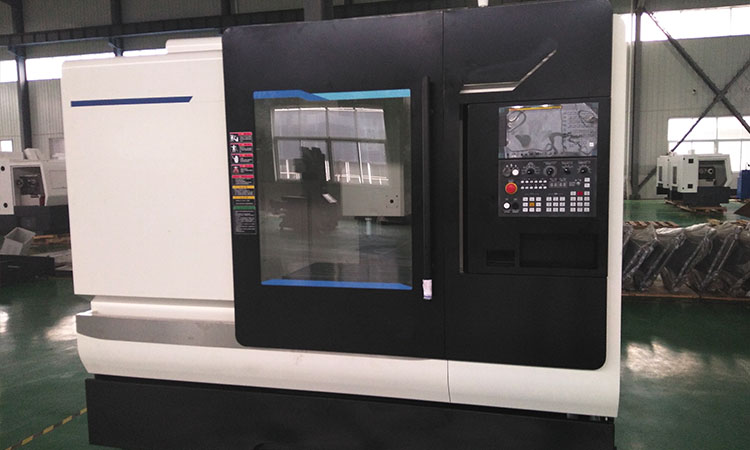
The biggest financial mistake when sourcing an automated turning solution is focusing only on the initial machine price. Overlooking the total cost of ownership (TCO) can lead to unexpected expenses that erode profitability for years. A lower-priced machine might have higher maintenance, tooling, and scrap costs that negate any initial savings. To make an informed capital investment, you must evaluate the complete cost of an Automatic CNC Turning Lathe cell, from landed import costs to long-term operational expenses.
Our ISO9001:2015 certified process ensures that every machine is built for sustained performance, directly impacting your long-term costs. This guide breaks down the essential cost components to help you build a realistic five-year financial model for your next automated turning investment.
Projecting Your 5-Year Total Cost of Ownership (TCO)
A machine tool is a long-term asset. Evaluating its cost over a five-year period provides a far more accurate picture of its financial impact than the purchase price alone. A comprehensive Total Cost of Ownership (TCO) model includes both the initial capital outlay and all recurring operational expenses. Below is a breakdown of the key factors to include in your calculation.
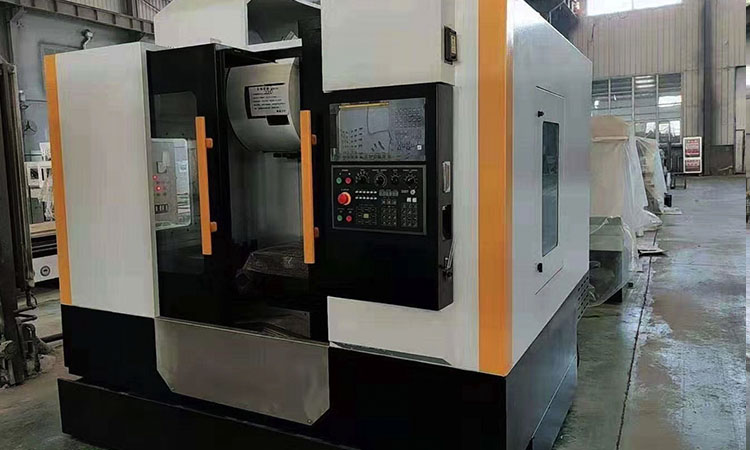
Use this framework to compare different suppliers and machine models. A higher initial investment in a more reliable and precise machine often results in a lower TCO due to savings in labor, tooling, and scrap reduction.
| Cost Category | Description | Estimated Cost Factors |
|---|---|---|
| Initial Machine Price | The base cost of the CNC lathe itself. This is the most visible but often not the largest portion of the TCO. | Varies by size, brand, and features. |
| Automation (Bar Feeder) | The cost of the bar feeder and its integration with the lathe. This is what makes the cell "automatic." | Can be 15-30% of the machine's base price. |
| Tooling Package | Initial set of tool holders, cutting inserts, and workholding (chucks, collets) required to begin production. | Highly variable based on part complexity; budget 5-15% of machine cost. |
| Landed & Import Costs | Shipping, insurance, customs duties, and local taxes. These can add a significant amount to the final cost. | Typically 10-20% of the equipment value, depending on location. |
| Labor Coverage | The cost of operators and programmers. Automation reduces per-part labor, but skilled oversight is still required. | Calculate based on local wage rates and expected machine utilization. |
| Consumable Tooling (5 Years) | The ongoing cost of replacing worn cutting inserts and tools over the five-year period. | Depends on materials, cycle times, and machine rigidity. A more rigid machine can extend tool life. |
| Maintenance & Spares (5 Years) | Scheduled preventive maintenance, lubricants, filters, and a budget for potential spare parts. | Budget 1-3% of the initial machine cost annually. |
| Scrap Costs (5 Years) | The cost of materials and machine time for parts that do not meet quality specifications. | A high-precision machine with advanced controls can significantly reduce this cost. |
Key Machine Attributes That Lower Long-Term Operating Costs
The design and construction of a high quality and durable cnc lathe directly influence its long-term operating costs. While features may look similar on a spec sheet, the underlying engineering determines reliability, precision, and efficiency—all of which impact your bottom line.
- Structural Rigidity and Stability: Our machine bodies are primarily constructed from high-strength cast iron, such as resin sand castings. This material provides superior vibration damping compared to welded steel frames. Each casting undergoes an aging treatment process to relieve internal stresses, ensuring the machine's geometric accuracy and rigidity are maintained for many years. This stability extends tool life, reduces chatter marks, and lowers the rate of part rejection.
- Quality of Core Components: The performance of a CNC machine is limited by its weakest component. We utilize high-precision drive and motion components, such as ball screws and linear guideways, sourced from established brands in Taiwan and Germany. These premium components ensure consistent accuracy, reduce maintenance downtime, and provide the reliability needed for unattended automated operation.
- Advanced System Integration: For complex applications, particularly in the mold and die industry, precision is paramount. Our machines can integrate advanced control system features like intelligent feedforward and quadrant glitch compensation. These technologies proactively address common machining defects like over-cutting, quadrant marks, and vibration-induced tool marks. The result is a better surface finish straight off the machine, minimizing or eliminating costly secondary finishing operations and reducing scrap.
A Buyer's Checklist for Evaluating Supplier Terms and Support
Beyond the machine itself, the supplier's commercial terms and support infrastructure are critical components of your investment. Before issuing a purchase order, verify these key points to ensure a smooth procurement process and reliable long-term partnership. As a professional cnc lathing machine manufacturer established in 2016, we provide clear and dependable terms.
Decision Checklist for Supplier Evaluation:
-
☐ Minimum Order Quantity (MOQ): Does the supplier support your purchasing volume?
Our approach: We have no rigid MOQ. You can procure a single machine. However, purchasing multiple units may unlock more favorable commercial terms regarding price, delivery, or after-sales service. -
☐ Production and Delivery Lead Time: What is the realistic timeline from order to delivery?
Our approach: Standard lead times range from 1 to 6 months, depending on machine configuration and production schedules. We also maintain a stock of sample machines for faster deployment in certain cases. -
☐ Warranty Terms: What is the standard warranty period, and what does it cover?
Our approach: Our standard warranty is 12 months from the date of final machine acceptance. We also offer lifetime paid technical service. For specific tenders or projects, extended warranties, such as three years of free coverage, can be negotiated. -
☐ After-Sales Support Response: What is the guaranteed response time for troubleshooting and on-site service?
Our approach: Our established after-sales network commits to an 8-hour initial response time and, if required, having a technician on-site within 48 hours to address any faults. -
☐ Quality Management Certification: Does the manufacturer have a certified quality management system?
Our approach: We operate under an ISO 9001:2015 certified quality management system, ensuring consistent processes and product quality.
Frequently Asked Questions about CNC Turning Cell Costs
What is a realistic tooling budget for a new turning cell?
A common mistake is underestimating tooling costs. For a new automatic CNC turning lathe, a safe starting budget for the initial tooling package (holders, inserts, collets) is 5% to 15% of the machine's purchase price. This varies greatly depending on the complexity and material of the parts you plan to produce. High-precision or hard-material machining will require a larger initial investment in specialized tooling.
How much does a bar feeder add to the initial cost?
Adding a bar feeder is what transforms a standard CNC lathe into an automated production cell. Depending on the bar diameter, length, and level of sophistication (e.g., magazine-style feeders), the cost of the bar feeder and its integration can add 15% to 30% to the base price of the machine. However, this investment is typically recouped quickly through increased machine uptime and reduced labor costs.
Can a single machine handle multi-sided parts to reduce setup costs?
Yes, modern CNC turning centers, especially those with live tooling, C-axis, and Y-axis capabilities, are designed for "done-in-one" production. Our machines are engineered with the ability to perform multi-sided machining in a single clamping. This capability is particularly valuable for high-mix, low-volume production, as it drastically reduces setup time, improves accuracy by eliminating re-fixturing errors, and lowers overall labor input per part.
If you are evaluating the addition of an automated turning cell and need a detailed cost analysis for your specific application, please send us your part drawings. Our technical team can provide a tailored quotation and performance projection.