Comparing Custom CNC Automation Equipment Quotes by Cell Scope
When sourcing Custom CNC Automation Equipment, buyers often face a critical sourcing risk: comparing proposals that appear similar on the surface but hide significant scope differences. A lower upfront price might exclude essential components or services, leading to unexpected costs and project delays down the line. To avoid regretting a missed detail before placing an order or RFQ, a systematic approach to normalizing quotes based on their complete cell scope is vital. This article outlines how to dissect automation proposals to ensure you are comparing equivalent solutions, protecting your investment in automation technology.
Understanding Custom CNC Automation Solutions and Their Core Components
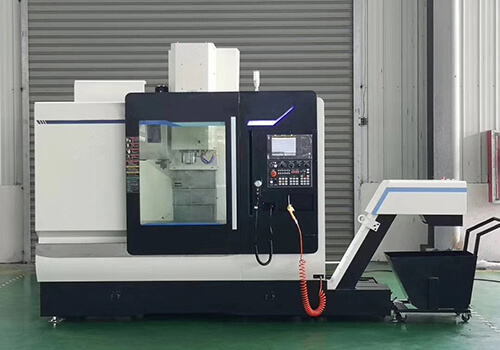
Custom CNC Automation Equipment refers to integrated systems designed to automate specific manufacturing processes around a CNC machine, such as a CNC lathing machine or a professional cnc machining center solution. These systems are tailored to a client's unique production requirements, material handling needs, and part geometries. Unlike off-the-shelf solutions, custom automation delivers optimized efficiency for particular applications, from high-precision mold making to multi-variety small-batch production. Key components typically include the CNC machine itself, material handling robots, end-of-arm tooling (EOAT), safety guarding, infeed/outfeed systems, part fixturing, and the overarching control integration.
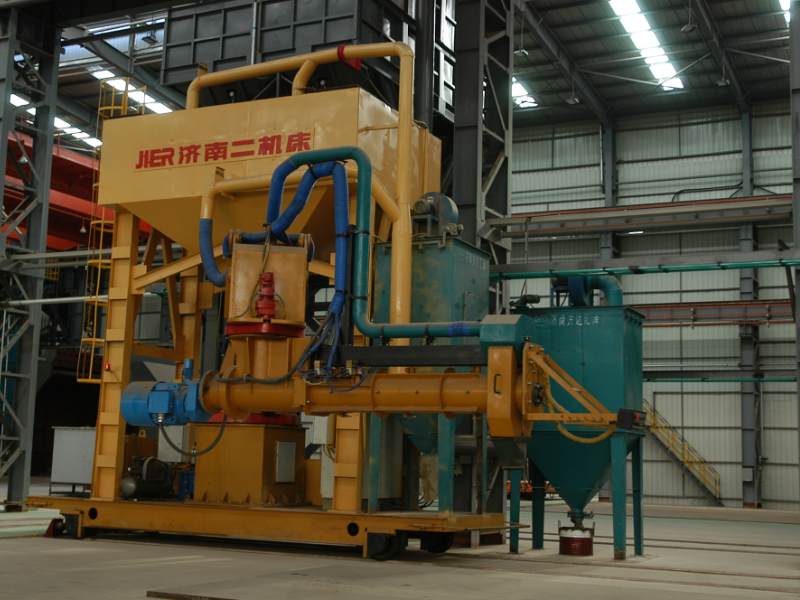
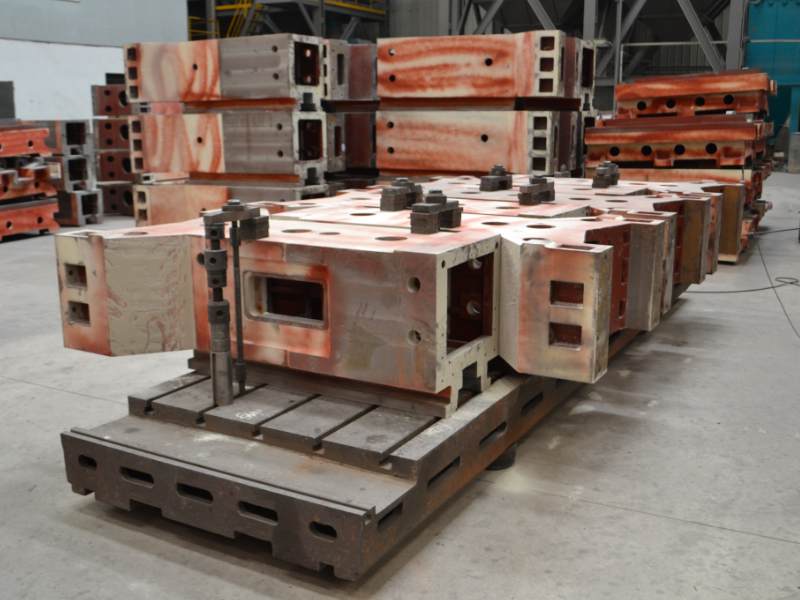
Our experience since 2016 in manufacturing high-precision CNC equipment, including various models like the vertical cnc machining center mv1380, gives us a direct understanding of what constitutes a robust, integrated system. The foundational quality of the CNC machine, built with high-strength cast iron (such as resin sand castings) and precision-treated for long-term accuracy, forms the bedrock of reliable automation. Integrating these machines with custom automation demands a holistic view of the cell's design and functionality.
Normalizing Quotes: A Standardized Approach to Cell Scope Comparison
To accurately compare custom CNC automation quotes, it is essential to break down each proposal into its fundamental cost categories. This method helps identify what is included, what is optional, and what might be missing entirely from different suppliers' bids. A common pitfall is assuming that a "turnkey" solution from one vendor matches the scope of another. Use the following breakdown to standardize your evaluation:
| Component/Service Category | Description and Cost Considerations | Typical Inclusion Status (Quote-Dependent) |
|---|---|---|
| CNC Machine(s) | The core machine tool. Specify model, spindle type, axis configuration, and controller. Ensure identical specifications across quotes. | Usually included (base price) |
| Robot & Manipulators | Industrial robot arm(s) for part loading/unloading, material transfer. Robot type, payload, reach, and number of axes. | Often separate line item |
| End-of-Arm Tooling (EOAT) | Custom grippers, vacuum cups, or specialized tools attached to the robot. Critical for part handling. | Highly customized, often separate |
| Guarding & Safety Systems | Physical barriers, light curtains, interlocks, emergency stops. Essential for operator safety and regulatory compliance (e.g., ISO 10218-2). | May be bundled or separate |
| Infeed/Outfeed Systems | Conveyors, vibratory bowls, palletizing systems, part feeders. How raw material enters and finished parts exit the cell. | Often customized and separate |
| Fixturing & Workholding | Jigs, vises, chucks, or custom fixtures designed to hold parts securely during machining. | Often separate, crucial for accuracy |
| Controls Integration & Software | PLC programming, HMI development, communication protocols between robot, CNC machine, and peripherals. Data acquisition, cell sequencing. | Can be bundled or a significant separate cost |
| Acceptance Testing (FAT/SAT) | Factory Acceptance Testing (FAT) at the supplier's facility and Site Acceptance Testing (SAT) at your location. Defines performance metrics. | Usually included (service) |
| Installation & Commissioning | Physical setup, connection, calibration, and initial run-off at your facility. | Often separate service charge |
| Training | Operator and maintenance personnel training. | Typically an add-on service |
| Warranty & Support | Coverage duration, response times, available service network. | Standard usually 12 months, extensions possible |
| Project Management | Coordination, scheduling, communication throughout the project. | Often bundled, sometimes a separate line |
By requesting each supplier to itemize their quote against these categories, you can create a clear, apples-to-apples comparison. If a category is missing from a quote, assume it is excluded and factor in the potential cost and effort required to procure it separately. This transparency is key to avoiding hidden costs and ensuring the final solution meets your operational expectations.
Key Technical Considerations for Your Automation Project Quote
Beyond the component breakdown, delve into the technical specifications that directly impact performance and your return on investment. The effectiveness of Computer-Aided Manufacturing (CAM) processes, especially for complex parts, hinges on the underlying machine capabilities and automation intelligence.
Precision and Rigidity
For applications demanding high precision, such as the mold industry, the machine's construction is paramount. MAKCNC machines, for instance, utilize high-strength cast iron, often resin sand castings, which undergo aging treatment. This process ensures long-term precision and structural rigidity, critical for minimizing vibration and maintaining tight tolerances during machining. When evaluating quotes, inquire about the material specifications of the machine frame and the methods used to ensure stability and accuracy. Core transmission components like lead screws and guide rails should be from reputable high-precision brands, often Taiwanese or German, to guarantee consistent performance. A system where all components are designed for optimal collaborative performance will always outperform one where parts are merely assembled.
Advanced Processing Capabilities
Modern CNC automation should address common machining challenges directly. For instance, our systems integrate intelligent feedforward and over-quadrant jump compensation technologies. These are specifically designed to eliminate common issues like over-cut marks, quadrant marks, and chatter marks, leading to superior surface finishes and reduced post-processing. If your application involves complex contours or demands pristine surface quality, ensure the proposed automation solution explicitly details how it tackles these specific challenges. For multi-variety, small-batch production, the ability to complete multi-face machining in a single clamping significantly reduces setup time and increases throughput, a capability to look for in quotes targeting such scenarios.
Evaluating Supplier Capabilities and Support for Custom Automation Solutions
The supplier's capacity, experience, and commitment to post-sales support are as crucial as the technical specifications of the equipment. A well-scoped quote from a capable supplier minimizes long-term operational risks.
Production Capacity and Lead Times
Inquire about the supplier's production capacity and typical lead times for custom automation projects. MAKCNC, established in 2016, operates multiple production lines and maintains a stock of sample machines, which can expedite certain projects. While lead times for custom solutions typically range from 1 to 6 months, understanding a supplier's operational scale provides confidence in their ability to deliver on schedule. Clarify how bulk procurement (e.g., multiple units) might influence delivery timelines and commercial terms.
Quality Assurance and Certifications
A supplier's adherence to international quality standards is a strong indicator of reliability. Our facility is ISO9001:2015 certified, demonstrating a commitment to consistent quality management throughout design, production, and service. Always verify relevant certifications to ensure the supplier meets recognized quality benchmarks.
Post-Sales Service and Warranty
After-sales support is critical for complex automation systems. A typical warranty with MAKCNC is 12 months after machine acceptance, with lifetime paid service available. For projects with specific requirements, such as certain tender projects, extended warranties like three years of free service can be negotiated. Critically, assess the supplier's service network and response times. Our established after-sales network, for example, commits to an 8-hour response time and 48-hour on-site resolution for technical issues. This level of commitment ensures minimal downtime and sustained operational efficiency.
Making the Right Decision: A Buyer's Checklist for Automation Investment
Use this checklist to systematically evaluate and compare quotes for custom automation equipment, ensuring all critical aspects are considered before making a final decision.
- Quote Normalization: Have all quotes been broken down by component and service category (robot, EOAT, guarding, integration, etc.)? Are all "missing" items accounted for with estimated costs?
- Technical Specifications: Are the core CNC machine specifications (model, controller, axes) identical or equivalent across quotes? Is the machine construction (e.g., high-strength cast iron, aging treatment) suitable for your precision needs?
- Advanced Features: Does the solution address specific machining challenges (e.g., over-cut marks, quadrant marks) relevant to your application? Does it support multi-face machining for multi-variety, small-batch production if needed?
- Supplier Qualification: Is the supplier ISO9001:2015 certified? What are their stated lead times and capacity for custom projects?
- After-Sales Support: What is the standard warranty period? What are the promised response and on-site resolution times for service issues? Is lifetime paid service available?
- Commercial Terms: Have the payment terms, delivery schedule, and any MOQ-related benefits (e.g., for bulk purchases) been clearly defined?
- Reference & Experience: While we don't share specific customer cases here, consider asking suppliers for relevant industry experience or demonstrations if available.
By meticulously addressing each point, buyers can reduce risk and select a custom automation solution that aligns precisely with their operational goals and budget.
FAQ Regarding Custom Automation Solutions
What is the typical lead time for custom automation equipment?
Lead times for custom automation equipment can vary significantly based on complexity and specific requirements. At MAKCNC, projects typically range from 1 to 6 months, depending on the scope of customization and current production schedules. We maintain multiple production lines and a stock of sample machines to facilitate efficient delivery.
Is there a minimum order quantity (MOQ) for custom automation?
MAKCNC does not impose a rigid minimum order quantity for custom automation equipment. A single unit can be purchased. However, for larger orders, such as multiple machines, customers can benefit from more favorable commercial terms regarding pricing, delivery schedules, and after-sales service arrangements.
What kind of warranty and after-sales support can I expect?
Our standard warranty covers the entire machine for 12 months following acceptance. We also provide lifetime paid service. For certain projects or specific tender requirements, we can offer extended free warranty periods, such as three years. Our mature after-sales network ensures a response within 8 hours and on-site troubleshooting within 48 hours for critical issues.
How do MAKCNC machines ensure high precision for demanding applications?
MAKCNC machines are designed for high precision by utilizing high-strength cast iron, often resin sand castings, which undergo a rigorous aging treatment. This process stabilizes the material, maintaining long-term accuracy and rigidity. We also integrate high-precision core transmission components, such as lead screws and guide rails, typically sourced from reputable Taiwanese or German brands, and focus on system synergy to maximize overall machine performance.
If you are evaluating suppliers for customized cnc machines and machining centers, our team can help clarify technical specifications and project scopes. We invite you to contact us to discuss your specific requirements and obtain a detailed proposal. Visit makcnc for more information on our capabilities.