Source a Wholesale CNC Inclined Bed Lathe by MOQ
What Is a CNC Inclined Bed Lathe?
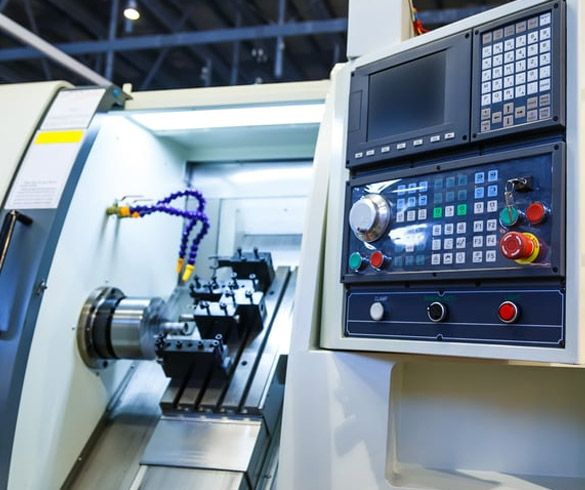
Wholesale CNC Inclined Bed Lathe sourcing means buying slant-bed turning machines in quantity, whether for resale, a workshop expansion or a project. Buyers usually regret the terms nobody wrote down before the order: the minimum quantity, how the machines are loaded into the container, how they are accepted, and which spare parts ship with them. A CNC inclined bed lathe is a computer-controlled turning machine whose bed is set at an angle instead of lying flat. That layout lets chips fall away from the cutting zone under gravity, keeps the operator's view of the tool clear, and gives the machine a compact, rigid structure for repeat turning work.
A lathe rotates the workpiece while a fixed tool removes material. The inclined bed adds CNC control, a tool turret and a chip-friendly geometry. This is why slant-bed machines are often the first choice for batch production of shafts, sleeves, flanges and similar round parts. Before you contact any factory, decide which of these three situations you are in. You may be buying one machine to test the supplier. You may be stocking several machines for distribution. Or you may be filling a tender with fixed delivery and warranty conditions. Each situation changes what your RFQ must say.
Types of CNC Inclined Bed Lathes
Product pages tend to list model names, but a buyer shortlisting suppliers needs to compare configurations. The table below groups the common variants and shows what to confirm in writing. These are general industry categories. Confirm which ones a specific factory model actually offers.
| Configuration | Typical use | Confirm before ordering |
|---|---|---|
| Standard 2-axis turning | Shafts, bushings, simple discs | Chuck type, turret station count, control system brand |
| Turning with live tooling | Parts that need milling or cross-drilling in one setup | Live-tool spindle speed, C-axis availability |
| Hydraulic or servo turret | Higher tool-change repeatability for batch work | Turret make, spare-part availability |
| Bar-fed or automated cell | Unattended small-part production | Bar feeder interface, loader compatibility |
If your market needs a configuration that is not in the standard list, ask whether customized cnc machines and machining centers from makcnc can cover it. Treat any customization as a separate line in the RFQ, because it affects lead time and price.
Features of a Slant Bed Lathe Worth Verifying
Features only help you if the supplier can document them. Two points from MAKCNC's own construction practice show what to ask any factory. First, the machine body is typically high-strength cast iron, such as resin sand castings, with aging treatment to keep long-term accuracy and rigidity. Second, the core transmission parts, namely the lead screws and guideways, are generally high-precision components from Taiwanese or German brands. The factory also tunes the whole system so these parts work together. Ask every supplier on your shortlist the same questions: what material is the bed, is it aged, and which brands supply the screws and guides? A vague answer is a warning sign.
- Chip evacuation: the inclined layout reduces chip build-up, which suits continuous batch turning.
- Rigidity: a cast-iron body with stress relief keeps the machine stable across long production runs.
- Component traceability: named screw and guide brands let you source replacements locally later.
Limit: a features list does not replace an acceptance test. It tells you what to check, not what the machine will achieve on your part.
Applications of a Slant Bed CNC Lathe
Slant-bed lathes fit round-part production where cycle consistency matters more than extreme size. Typical work includes shafts, sleeves, flanges, pipe fittings, bearing seats and automotive or hydraulic components. For distributors, the application decides which configuration sells. A dealer serving general job shops usually stocks standard 2-axis machines, while a dealer serving automotive suppliers may need live tooling or automation interfaces. Ask your own customers for two or three sample drawings and the monthly volumes. Then write the material, diameter range and tolerance requirement into the RFQ. Without these details, a quote only compares machine names, not capability. If the same buyers also need milling, pair the lathe order with a professional cnc machining center solution, which lets you quote both from one factory.
Price Factors and How MOQ Shapes the Quote
Prices for these machines are not fixed, and any number quoted without a configuration is only a marketplace hook. The final figure moves with the control system, spindle and chuck choices, turret type, optional live tooling, automation, packing method and delivery terms. MOQ also matters. MAKCNC sets no hard minimum, so a single unit can be purchased. Batch orders, meaning several machines, can earn better commercial terms in price, lead time or after-sales service. Those terms are negotiated per order, so do not assume a fixed discount tier.
| Cost driver | Effect on quote | RFQ action |
|---|---|---|
| Control system and options | Largest configuration-related change | Name the brand and version you require |
| Quantity | May improve price, lead time or service terms | Request quotes for one unit and for your batch quantity |
| Packing and loading | Changes freight cost and damage risk | State the container type and loading method |
| Spare-parts package | Adds upfront cost, cuts later downtime | List wear parts you want shipped with the machines |
| Warranty extension | Standard is 12 months after acceptance | Raise any longer requirement before the quote is finalized |
A Sourcing Workflow That Ties MOQ, Container Loading, Acceptance Testing and Spare Parts to the RFQ
Most RFQs for a Wholesale CNC Inclined Bed Lathe stop at model and quantity. Issues then appear after payment, when there is no written position on loading, testing or parts. The workflow below turns each of those four topics into a line item the factory must answer in writing. The brief we work from gives no fixed figures for these items, so each one is a point to agree, not an assumed standard practice.
- State your quantity scenario. Ask for pricing at one unit and at your planned batch. This shows how much value the batch actually brings.
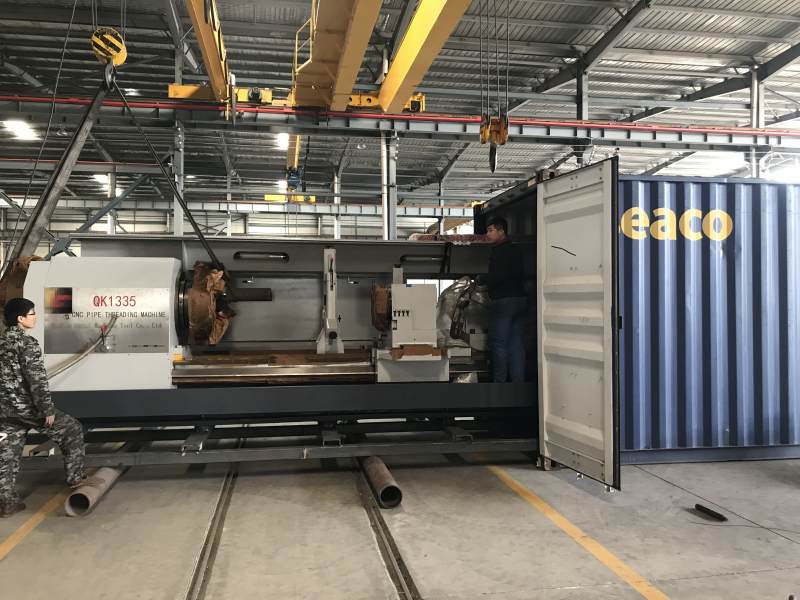
- Specify container loading. Define the container type, how many machines per shipment, and the packing and lashing method. Ask for photos during loading.
- Define acceptance testing. Agree the test items, the test parts or drawings, who attends, and whether testing happens at the factory or on site. Acceptance also starts the 12-month warranty clock.
- List the spare-parts commitment. Name wear parts, quantities and the supply period. Ask for the brand names of the screws and guides so you can reorder locally.
- Confirm lead time per model. Quoted lead times range from 1 to 6 months depending on the machine, so get a date for your exact configuration.
- Confirm service terms. The after-sales network is typically set up for a response within 8 hours and on-site arrival within 48 hours. Check coverage for your country in the contract.
Illustrative example
Say a distributor plans three machines and asks for quotes at one unit and three units. If the three-unit quote improves only the price but the lead time stays the same, the buyer knows the batch value is financial, not logistical. If the factory also offers sample machine stock, ask whether any of the three could ship sooner. This is a scenario for planning, not a documented customer case.
Common mistakes
- Comparing quotes with different control systems as if they were equal.
- Leaving acceptance criteria to be decided at delivery.
- Skipping the spare-parts list because the warranty seems to cover everything.
- Assuming a batch discount exists without asking for both quotes.
Installation and User Guide for Incoming Machines
A lathe that passed factory inspection can still lose accuracy through poor installation. Prepare a level, solid foundation before the machines arrive, and keep the floor plan for chip handling, coolant and power supply ready. On arrival, inspect the crates for damage before signing and compare the contents against the packing list. Level the machine, then run it without load before cutting. Check spindle warm-up, turret indexing and axis travel, then cut a test part from your own drawing and measure it. Record the results, because they form the basis for acceptance and any warranty claim. Train operators on tool-offset procedures and daily lubrication. Keep the supplier's contact for the technical team on the maintenance sheet. This routine is general good practice, so ask the factory for its own installation checklist and compare it with yours.
FAQ of Wholesale CNC Inclined Bed Lathes
Is there a minimum order quantity?
MAKCNC has no hard minimum, so a single machine can be purchased. Orders of several units can receive better terms on price, lead time or after-sales service.
How long does delivery take?
Lead times typically fall between 1 and 6 months. The exact date depends on the machine and configuration, so request it per model in your RFQ.
What warranty applies?
The standard warranty is 12 months after acceptance, with paid lifetime service afterwards. Some tenders ask for longer coverage, such as three years free. Raise that requirement before the quote is finalized so it can be reviewed.
Which quality system is in place?
The company works under ISO 9001:2015. Ask for the certificate copy and its scope with your shortlist documents.
MAKCNC as a CNC Lathe Supplier
Founded in 2016, MAKCNC operates multiple production lines and keeps sample machines in stock. For buyers who want to see a unit before committing to a batch, that stock is worth asking about. The company works as a professional cnc lathing machine manufacturer and also supplies machining centers, so one supplier can cover both turning and milling. Its range of cnc lathing machine models, cast-iron construction and branded transmission components give import buyers specific points to verify during shortlisting. Order terms are flexible on quantity, backed by a standard 12-month warranty and a service network set up for fast response.
If you are looking for a CNC inclined bed lathe supplier, send us your target quantity, part drawings, destination country and any warranty or acceptance requirements. We will return the latest quotation with the loading, testing and spare-parts terms written out. You can contact makcnc to start the RFQ.