2026-11-13
Reduce Part Cost With Multi-Functional CNC Turning
When sourcing advanced manufacturing equipment, the decision to invest in a Multi-functional CNC Turning Machine presents a critical evaluation point for operations managers and procurement teams. The primary sourcing risk lies in overlooking the long-term cost efficiencies and production advantages that consolidated machining operations can deliver, potentially leading to higher per-part costs and extended lead times in a multi-stage manufacturing process. Understanding how these machines integrate various operations into a single setup is key to quantifying their value against initial investment and ensuring optimal supplier fit.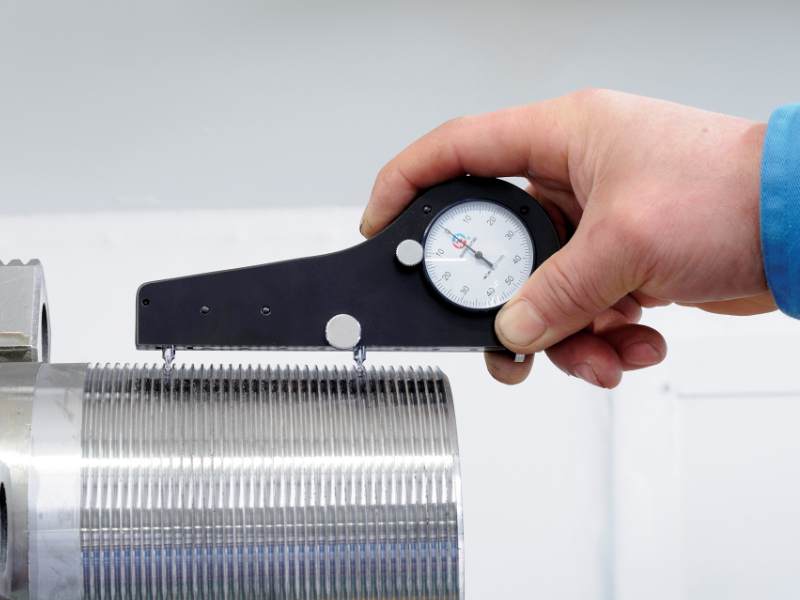
What is a Multi-functional CNC Turning Machine?
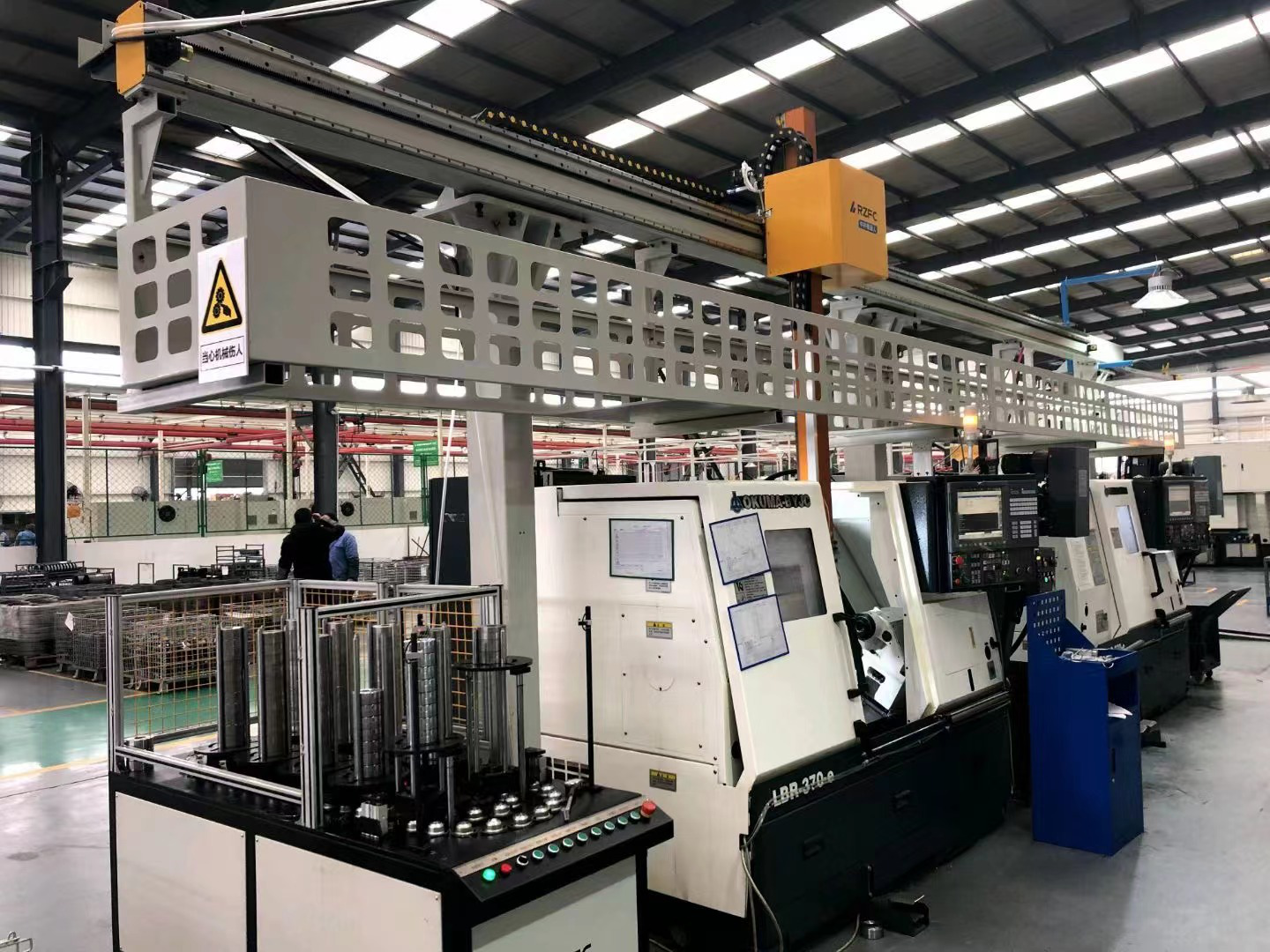
A Multi-functional CNC Turning Machine combines turning, milling, drilling, and sometimes grinding operations into a single machine platform. Unlike traditional CNC lathes that primarily perform rotational cutting (turning), these advanced machines feature multiple axes, live tooling, and often a secondary spindle, allowing for a broader range of complex geometries to be machined in one setup. This integration minimizes part handling, reduces cumulative setup times, and improves overall part accuracy by eliminating repositioning errors between different machines. The core principle is to complete a part or a significant portion of it in a "one-and-done" approach, directly addressing the inefficiencies inherent in transferring workpieces between dedicated turning centers and machining centers.Types and Core Components of Multi-functional CNC Turning Machines
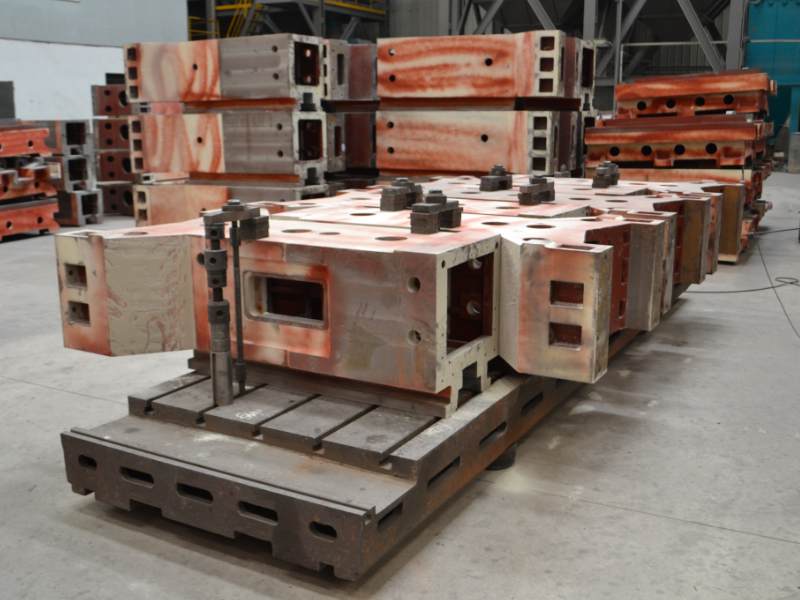
Multi-functional CNC turning machines come in various configurations, primarily distinguished by their spindle count, axis capabilities, and live tooling options. Common types include: * **Two-Axis Lathes with Live Tooling:** These machines add milling and drilling capabilities to a standard turning center by incorporating rotating tools that can cut features off-center. * **Multi-Spindle, Multi-Turret Machines:** Featuring multiple spindles (main and sub-spindle) and turrets, these setups allow for simultaneous machining on different faces of a part, drastically cutting cycle times. * **Turn-Mill Centers:** These are the most comprehensive types, offering full milling capabilities alongside turning. They often have B-axes for angular milling and C-axes for spindle indexing, enabling highly complex geometries and 5-axis machining. Regardless of type, the reliability and precision of these machines depend heavily on their core components. MAKCNC machines, for instance, utilize high-strength cast iron for the machine body, often resin sand castings, which undergo aging treatment to ensure long-term precision and rigidity. This robust foundation is critical for absorbing vibrations and maintaining tight tolerances during complex operations. Key transmission components, such as ball screws and guideways, are typically sourced from high-precision brands in Taiwan or Germany. This commitment to quality components ensures the machine's durability and ability to deliver consistent performance, even under demanding production schedules. The entire system is engineered with a focus on synergistic performance, optimizing the interaction between these components for overall machine efficiency.Quantifying Cost Savings with Multi-functional CNC Turning
One of the most compelling arguments for investing in a Multi-functional CNC Turning Machine is its potential for significant cost reduction per part. This is achieved by consolidating multiple operations into a single setup, thereby minimizing non-value-added activities such as part handling, multiple setups, and inter-machine transfers. Below is a comparative model illustrating potential savings for a complex part requiring both turning and milling operations.| Cost Factor | Traditional Separate Operations (Turning + Milling) | Multi-functional CNC Turning (One Setup) | Notes on Savings |
|---|---|---|---|
| Machine Setup Time (per batch) | 4-8 hours (2 machines, 2 setups) | 2-4 hours (1 machine, 1 setup) | Eliminates a full machine setup and related calibration. |
| Workpiece Handling | Multiple transfers, loading/unloading between machines | Minimal handling (load once, unload finished part) | Reduces labor, risk of damage, and in-process inventory. |
| Fixturing Costs | 2 sets of fixtures (one for each machine) | 1 integrated fixture | Lower tooling investment and simplified management. |
| Cycle Time (per part) | Sum of turning + milling cycle times + transfer time | Optimized combined cycle time | Reduced idle time, faster production throughput. |
| Labor Costs | Two operators (or one operator managing two machines sequentially) | One operator for one machine | Reduced direct labor per part, potential for lights-out manufacturing. |
| Quality Control & Scrap Rate | Higher risk of errors from multiple setups/repositioning | Reduced risk of errors, improved part consistency | Fewer scrapped parts, less inspection time, better overall quality. |
| Floor Space Utilization | Requires space for two machines | Requires space for one machine | Optimized factory footprint. |
Key Features for Precision and Efficiency
The effectiveness of a Multi-functional CNC Turning Machine in reducing part costs and improving quality hinges on specific technical features. For industries like mold manufacturing, where high precision is non-negotiable, MAKCNC integrates advanced technologies to overcome common machining challenges: * **Intelligent Feedforward Control:** This technology predicts and compensates for potential errors before they occur, maintaining smooth tool paths and tight tolerances. * **Over-Quadrant Jump Compensation:** This specifically addresses the common issues of "over-cut marks" and "quadrant marks" that can arise when the tool changes direction sharply, ensuring smoother transitions and superior surface finish. * **Vibration Reduction and Chatter Mark Suppression:** By focusing on system synergy and using rigid machine structures made from aged high-strength cast iron, the machines effectively mitigate "chatter marks," which are critical for achieving high surface quality, especially in hard material machining. These technical capabilities are crucial for operations where part quality directly impacts the final product's performance and appearance. Furthermore, for manufacturers dealing with multi-variety, small-batch production, the ability to complete multi-face machining in a single clamping setup significantly boosts productivity and reduces overall lead times. This eliminates the need for repeated setups and re-fixturing, which are major time sinks in traditional production lines.
Applications of Multi-functional CNC Turning for Diverse Production Needs
The versatility of a Multi-functional CNC Turning Machine makes it suitable for a wide array of applications across various industries. Its ability to perform multiple operations in a single setup is particularly beneficial where: * **Complex Geometries are Required:** Parts with features that combine turned profiles with milled flats, holes, or intricate contours are ideal candidates. This includes components for aerospace, medical devices, automotive, and general machinery. * **High Precision and Surface Finish are Critical:** Industries demanding tight tolerances and flawless finishes, such as mold and die manufacturing, benefit greatly from the reduced handling and precise control offered by these machines. The integrated processing minimizes the risk of cumulative errors that often occur when parts are moved between different machines. * **Multi-Variety, Small-Batch Production:** For companies producing a diverse range of parts in smaller quantities, the quick changeover and single-setup capabilities of these machines significantly reduce non-productive time. This allows for more flexible production schedules and efficient resource allocation. * **Cost Reduction is a Priority:** As detailed previously, the consolidation of processes directly contributes to lower labor costs, reduced tooling, and improved throughput, making it a strategic investment for long-term cost savings.Factors Influencing Multi-functional CNC Turning Machine Investment
The investment in a Multi-functional CNC Turning Machine is influenced by several factors, including machine configuration, brand reputation, component quality, and after-sales support. While specific pricing requires a direct quote, understanding these influencing factors helps in evaluating the overall value proposition. * **Configuration and Axes:** Machines with more axes (e.g., 5-axis turn-mill centers) and additional features (sub-spindles, multiple turrets, advanced automation) will have a higher initial cost due to increased complexity and capabilities. * **Core Component Quality:** As noted, the use of high-precision components from reputable brands (e.g., Taiwan or Germany for screws and guideways) ensures reliability and longevity, which reflects in the price. * **Software and Control System:** Advanced CNC controls with specialized functions for turn-milling, intelligent compensation, and user-friendly interfaces can add to the cost but offer significant operational advantages. * **Warranty and Service:** Comprehensive warranty packages and robust after-sales support networks are crucial. MAKCNC, for example, typically offers a 12-month full machine warranty after acceptance, with lifetime paid service. For certain projects, like tender bids, a three-year free warranty can be arranged. An established service network that promises 8-hour response times and 48-hour on-site fault resolution provides significant peace of mind and minimizes downtime. * **Customization:** While standard models are available, specific production requirements might necessitate customized cnc machines and machining centers from makcnc, which can influence the final investment. For buyers, it's important to consider the total cost of ownership, including operational savings, rather than just the upfront purchase price. Batch purchasing, such as multiple units, can also lead to more favorable commercial terms on price, delivery, and after-sales service.Selecting the Right Multi-functional CNC Turning Machine Supplier
Choosing the right supplier for a Multi-functional CNC Turning Machine involves more than just comparing technical specifications. It requires evaluating a supplier's manufacturing capabilities, quality assurance, and commitment to customer support. When considering a partner, look for: * **Proven Manufacturing Expertise:** A supplier established since 2016, with multiple production lines and a history of producing complex machines, demonstrates experience. MAKCNC’s ISO9001:2015 certification confirms adherence to international quality management standards, ensuring consistent product quality. * **Flexible Procurement Terms:** For businesses needing flexibility, a supplier with no rigid minimum order quantity (MOQ), allowing procurement of even a single unit, is beneficial. This flexibility allows businesses to scale investment according to their project needs, while also offering better commercial terms for bulk purchases. * **Reliable Lead Times:** Understanding typical lead times, such as 1 to 6 months for MAKCNC, helps in project planning and inventory management. This range accounts for machine configuration, customization, and current production load. * **Comprehensive After-Sales Support:** Post-purchase support is critical for maximizing machine uptime. A supplier offering a 12-month warranty, lifetime paid service, and rapid response times (e.g., 8-hour response, 48-hour on-site service) provides essential operational security. This minimizes potential disruptions and ensures long-term operational efficiency.Frequently Asked Questions About Multi-functional CNC Turning
-
Q: What is the primary benefit of a Multi-functional CNC Turning Machine over separate machines?
A: The main benefit is process consolidation, allowing multiple operations (turning, milling, drilling) to be completed in one setup. This significantly reduces part handling, setup times, labor costs, and improves overall part accuracy by eliminating repositioning errors between different machines. -
Q: Can these machines handle complex part geometries?
A: Yes, they are specifically designed for complex part geometries. With multiple axes, live tooling, and often sub-spindles, they can produce intricate features that would otherwise require multiple setups on different machines. -
Q: Are Multi-functional CNC Turning Machines suitable for small batch production?
A: Absolutely. While they offer significant benefits for high-volume production, their ability to perform multi-face machining in a single setup makes them highly efficient for multi-variety, small-batch production by reducing changeover times and maximizing machine utilization. -
Q: What kind of precision can I expect from these machines?
A: Machines utilizing high-strength cast iron bodies, aged for stability, and equipped with high-precision core components from brands like those in Taiwan or Germany, coupled with advanced control technologies like intelligent feedforward, deliver exceptional precision and surface finish, crucial for demanding industries like mold making. -
Q: What is the typical lead time for a Multi-functional CNC Turning Machine from MAKCNC?
A: Lead times from about makcnc typically range from 1 to 6 months, depending on the specific machine configuration and customization requirements.