How to Source a Multi-functional CNC Turning Machine
What Is a Multi-Functional CNC Turning Machine
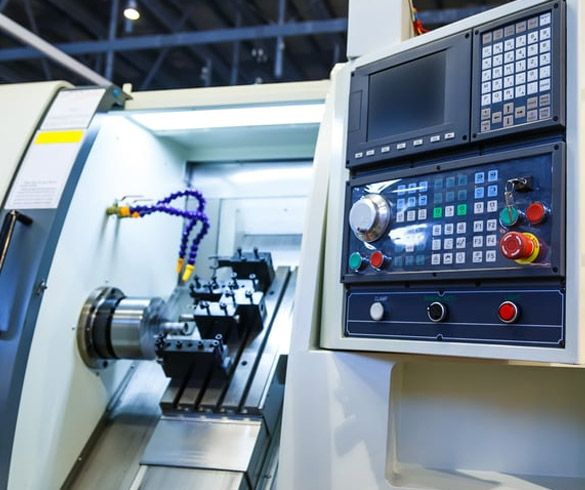
Multi-functional CNC Turning Machine is a metalworking machine configured to perform primary turning plus selected secondary operations, such as drilling, tapping, milling, or off-center feature machining, within one planned process. The main sourcing purpose is not simply to buy a lathe with more options. It is to reduce part transfers, repeat clamping, work-in-process handling, and the risk of losing positional relationship between turned and milled features. In this article, CNC refers to computer numerical control, where programmed commands control machine movement and machining functions.
This machine category suits parts that begin as round stock but need flats, cross holes, threaded holes, keyways, slots, or other secondary features. It does not automatically replace every machining center. Large prismatic components, deep cavity work, and parts requiring broad milling travel may still fit a vertical or horizontal machining center better. Buyers should therefore source the machine around the complete part family, not around the label “multi-function.”
Types of Machine Configurations to Compare
Buyers should separate machine types by the operations they can perform in one setup. A basic CNC lathe is appropriate when the part is mainly rotational and secondary work is limited or can be handled elsewhere. A machine with a turret and driven tools can add face drilling, radial drilling, tapping, and limited milling. A configuration with an additional spindle can support transfer machining when the back side of the component also requires work. Each step adds capability, but it also changes the tooling plan, programming requirement, maintenance scope, and quotation basis.
| Configuration | Best-Fit Part Requirement | Buyer Should Specify | When It May Not Fit |
|---|---|---|---|
| Turning-only CNC lathe | External diameters, bores, faces, grooves, and threads | Workholding method, stock form, turning envelope, thread requirements | Parts needing milled flats, cross holes, or repeated secondary setups |
| Turning center with live tooling | Turned parts with drilled, tapped, or milled secondary features | Tool stations, driven-tool operations, tool orientation, feature locations | Parts needing extensive prismatic milling or large milling travel |
| Turning center with secondary spindle capability | Parts requiring machining on both ends with reduced handling | Transfer sequence, back-working features, part cut-off method | Very short runs where setup complexity outweighs handling savings |
| Turning and milling process split across machines | Mixed part families or high milling content | Inter-machine datum control and fixture strategy | Parts where repeated clamping creates unacceptable positional risk |
A supplier quotation should identify the proposed configuration rather than simply state “turning-milling machine.” If your work includes substantial milling after turning, compare the proposal against a professional cnc machining center solution. This comparison is useful because a combined machine reduces handling, while a separate machining center may offer a more suitable work zone for parts dominated by milling operations.
Features That Matter for Turning and Secondary Operations
The most useful features are those that match a documented part feature. Live tooling matters when the part requires rotating drills, taps, end mills, or other tools while the workpiece is held in the turning machine. It is not a benefit by itself if the part family contains only conventional turning features. Likewise, a secondary spindle is relevant when back-side machining can be completed after transfer; it is less relevant when all features are reachable from one chucking direction.
Control functions also deserve direct questions. For mold-oriented high-accuracy machining needs, MAKCNC describes system integration that can include intelligent feedforward and quadrant-jump compensation. These functions are intended to address issues such as overcut marks, quadrant marks, and chatter patterns. Buyers should not treat that statement as proof that every proposed machine will resolve every surface issue. Ask whether the quoted control and machine configuration includes these functions, which part conditions they address, and how they will be demonstrated during acceptance.
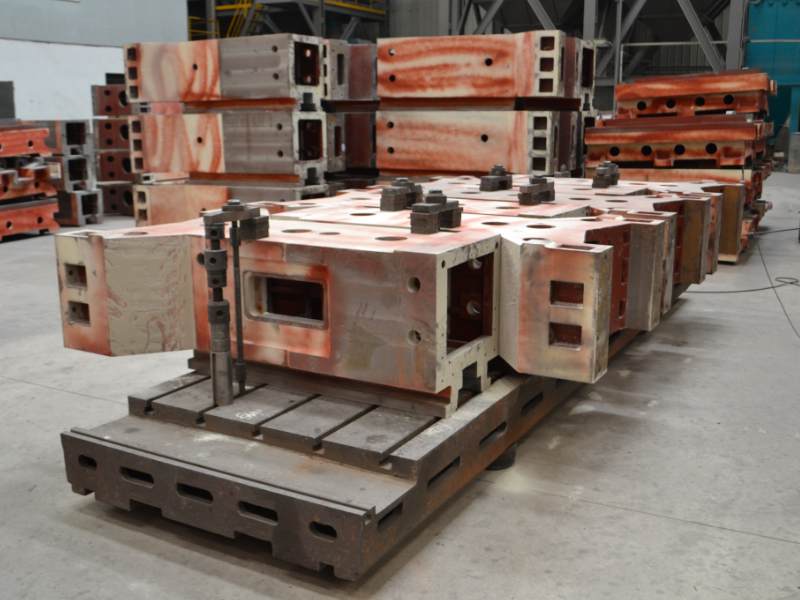
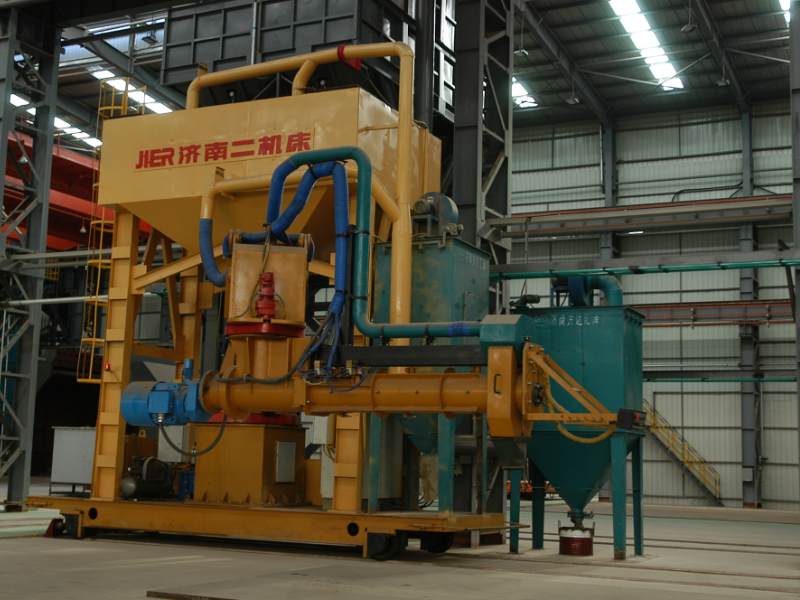
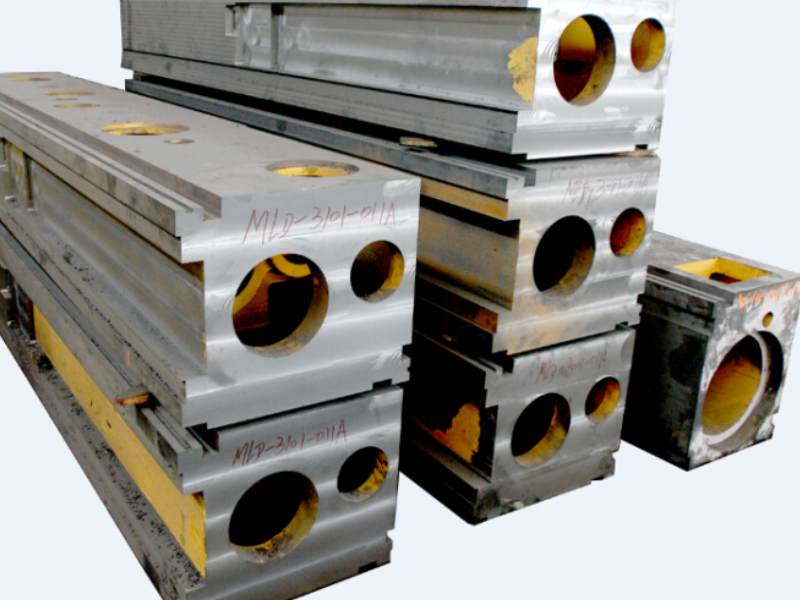
Machine structure should also be reviewed as a system. MAKCNC states that its machine bodies commonly use high-strength cast iron, including resin-sand castings, with aging treatment intended to support long-term rigidity and accuracy. Core transmission components such as ballscrews and guideways commonly use high-accuracy Taiwanese or German components. These are relevant sourcing points for buyers concerned about rigidity and motion quality, but the RFQ should still request the actual configuration list for the quoted model rather than rely on general category descriptions.
Applications Where One-Setup Machining Has Clear Value
Combined turning and secondary machining is most appropriate when a component’s critical features need to remain aligned after the initial turning operation. Typical examples include shaft-like parts with cross holes, flanged parts with bolt-circle features, threaded fittings with wrench flats, and round housings with drilled or tapped ports. The practical advantage is fewer transfers between a lathe and a mill. This can reduce fixture duplication and handling exposure, especially for varied, small-batch production.
The limit is equally important. A part with broad flat faces, multiple deep pockets, or a large number of milled features may be better processed on a machining center after turning. If a buyer supplies only a general product photo, neither machine type can be selected responsibly. Provide a dimensioned drawing, material condition, annual or batch requirement, machining allowance, and any surface or functional requirements. The supplier can then assess whether a combined process is a sensible fit or whether a separate cnc inclined bed lathe and milling operation would be more practical.
RFQ Requirements Checklist for Turning, Milling, Live Tooling, Bar Capacity, and Acceptance Trials
An RFQ should make the proposed process verifiable. A vague request for a “turning-milling lathe” produces quotations that cannot be compared fairly, because each supplier may assume a different spindle arrangement, tool package, control scope, or acceptance method. Use the following checklist before issuing the inquiry. It tells suppliers what must be machined, how stock enters the machine, and what evidence will determine whether the quoted solution is acceptable.
| RFQ Area | Information to Include | Why It Affects Selection | Limit of the Requirement |
|---|---|---|---|
| Turning work | Part drawing, turned diameters, bores, threads, grooves, facing operations, material condition | Defines spindle, chucking, toolholder, and process needs | A drawing without stock condition may not define the full process |
| Milling work | Flats, slots, keyways, bolt patterns, radial features, feature locations | Determines whether driven tools and indexing capability are needed | Heavy prismatic milling may require a machining center instead |
| Live tooling | Tool types, drill and tap operations, axial or radial orientation, expected duty cycle | Prevents an under-specified turret or driven-tool package | Do not request it for parts with no secondary operations |
| Bar capacity | Stock profile, maximum stock size, cut length, bar feeder requirement, remnant expectations | Links stock supply to spindle and feeding arrangement | Chuck-held blanks may not require bar feeding |
| Workholding | Chuck, collet, soft jaws, special fixture need, thin-wall or deformation risk | Workholding often determines process stability and repeatability | Fixture responsibility must be agreed separately if not included |
| Acceptance trials | Trial part, inspection points, sample quantity, cycle expectations, surface criteria, documentation | Creates a shared basis for factory acceptance decisions | Acceptance criteria must be agreed before trial machining begins |
For the acceptance trial, provide the actual material or clearly define the equivalent material to be used. Identify the features to inspect and the measuring method. Do not rely on a statement such as “the machine must achieve good accuracy.” That language leaves too much open to interpretation. A practical acceptance plan names the part revision, required operations, setup method, inspection record, and responsibilities for tooling, material, and shipping of samples.
Price Factors and Quote Comparison Method
The purchase price of a turning and secondary-operation machine changes with the machine configuration, workholding, tool package, control selection, automation scope, inspection requirements, packaging, shipping terms, installation responsibilities, and after-sales conditions. A lower initial quote can be unsuitable if it excludes driven tools, required holders, bar-feeding provisions, commissioning support, or the acceptance activity needed for your part. Compare line items, not just the total amount.
- Base machine scope: Confirm the exact machine model, spindle arrangement, turret arrangement, and standard accessories.
- Process equipment: List chucks, collets, jaws, toolholders, driven tools, and any special fixtures separately.
- Control and functions: Ask which machining functions and compensation features are included in the quoted configuration.
- Acceptance scope: State whether a trial part, inspection report, and operator training are included or quoted separately.
- Commercial terms: Compare delivery basis, shipping responsibility, payment stages, warranty boundary, and service response arrangements.
MAKCNC states that there is no hard minimum order quantity, so a single machine can be purchased. For procurement teams buying multiple machines, commercial terms may be more favorable in price, delivery, or after-sales support, subject to agreement. The stated general lead-time range is one to six months, which should be treated as a planning range rather than a guaranteed date for every configuration. Confirm the production schedule of the exact model and requested options before releasing a purchase order.
User Guide for Installation Planning and Daily Operation
Installation planning begins before the machine ships. The buyer should confirm the available electrical supply, floor space, access route, lifting plan, coolant and chip-management arrangement, compressed-air requirement where applicable, and who is responsible for commissioning. These items are site-specific and should be agreed in writing. A machine can be technically suitable but delayed if the receiving site is not ready for positioning, utilities, and initial setup.
During operation, start with a controlled prove-out process. Verify workholding force and jaw contact, establish tool offsets, run the program at a safe verification condition, inspect the first completed part, and record correction actions before regular production. For live-tool operations, confirm tool orientation and clearance through the complete index and machining sequence. This approach fits new programs, transferred parts, and new operators. It does not replace formal safety procedures, machine manuals, or the operating instructions supplied with the selected equipment.
MAKCNC Supplier Fit and Cooperation Terms
MAKCNC offers CNC lathing machines, CNC machining centers, and CNC machines for buyers assessing turning and milling production requirements. The company was established in 2016 and states that it has multiple production lines and sample-machine inventory. These points can help procurement teams discuss availability and configuration timing, but actual stock status must be confirmed against the requested machine and option package. Learn more about makcnc when preparing a supplier shortlist.
For support terms, MAKCNC states that the usual warranty is 12 months after complete-machine acceptance, followed by lifetime paid service. Some tender projects may require a higher warranty commitment, such as three years of free warranty, so tender-specific terms should be written into the quotation rather than assumed. MAKCNC also describes an established after-sales network that normally targets response within eight hours and on-site fault handling within 48 hours. Buyers should confirm whether those targets apply to the delivery location, machine type, and service agreement under consideration.
FAQ of Multi-Function Turning and Milling Sourcing
Should every part with a drilled hole use live tooling?
No. Live tooling is suitable when completing the drilled or tapped feature in the same turning setup improves process control or reduces handling. If the hole is easier to machine in a separate established process, or if the milling content is high, a split process may remain the better choice. The decision should follow the part drawing, batch pattern, fixture complexity, and required feature relationship.
What should be supplied before asking for a quote?
Provide the latest part drawing, material description, stock form, required operations, production pattern, requested workholding, preferred control requirements, destination, and acceptance-trial expectations. Also state whether the purchase is for a single machine or a multi-machine project. This gives suppliers a basis to quote the required scope instead of offering an incomplete standard configuration.
Can a single-machine order be discussed?
Yes. MAKCNC states that it has no hard minimum order quantity and can support a one-machine purchase. A larger purchase may allow discussion of improved commercial terms, but this is not an automatic entitlement. The final scope should document the model, options, lead-time expectation, warranty, acceptance criteria, and service responsibilities.
If you are sourcing a machine for turned parts with secondary operations, send MAKCNC your drawings and RFQ requirements to request a current quotation.