How to Source a Metal CNC Lathing Machine
What Is a Metal CNC Lathing Machine
Metal CNC Lathing Machine equipment is a machine tool that rotates a metal workpiece while programmed tools remove material to create diameters, faces, threads, grooves, tapers, and other turned features. The term CNC refers to numerical control, meaning that the machine follows coded instructions rather than relying only on manual handwheel operation. For procurement teams, the sourcing risk is not simply choosing a machine with enough swing diameter. A machine can appear suitable on a catalog page but still fail to hold the workpiece safely, feed bar stock efficiently, or provide enough spindle torque for the material and cutting load. A Metal CNC Lathing Machine should therefore be defined by the parts it must produce, the stock form it receives, the required process sequence, and the supplier support available after acceptance. This definition fits buyers sourcing new turning capacity for production rather than occasional prototype work.
Types of Metal CNC Lathing Machine Equipment
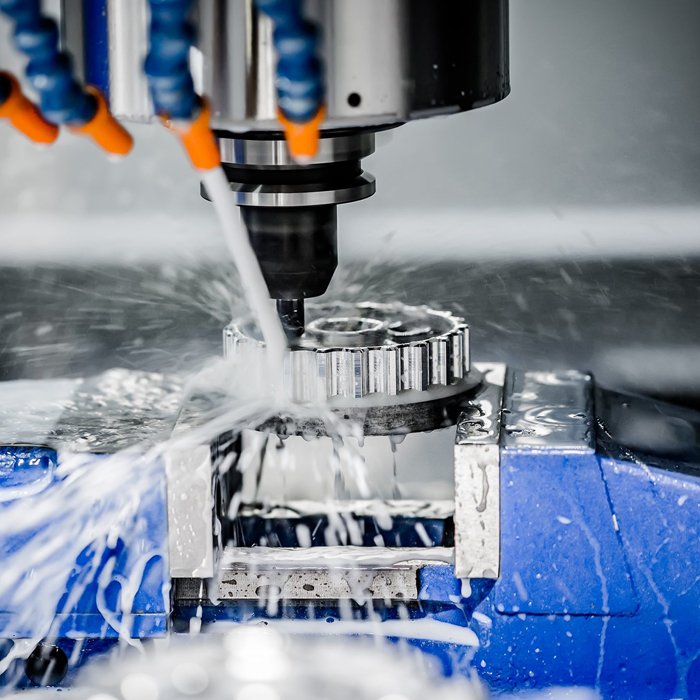
Buyers should first separate machines by workholding method and part family. A conventional horizontal CNC turning machine is often selected for shafts, sleeves, threaded components, and bar-fed parts. An inclined-bed design can suit production environments where chip removal and tool access are important; MAKCNC lists a CNC inclined bed lathe option for buyers comparing turning configurations. A Metal CNC Lathing Machine for disc-part machining may prioritize chuck clamping, face turning access, and stable support for short, larger-diameter workpieces. A machine selected for shaft machining may instead prioritize bar capacity, tailstock support, and length-to-diameter stability. Do not assume one layout is automatically better. A bar-fed shaft program and a manually loaded flange program place different demands on the same machine. If your part mix changes frequently, request confirmation that the proposed configuration can accommodate the full drawing range rather than only the largest part.
| Machine and Part Situation | Primary Sourcing Focus | Why It Matters | When It May Not Fit |
|---|---|---|---|
| Long shafts and sleeves | Bar capacity, tailstock arrangement, part length | Longer workpieces can require stable support during turning. | Not the first choice for mainly short chuck-held discs. |
| Short flanges and discs | Chuck size, jaw contact, clamping access | Secure holding affects facing, boring, and interrupted cuts. | May be inefficient when continuous bar production is the main requirement. |
| Mixed low-volume parts | Changeover process and fixture flexibility | Frequent setups can affect production planning. | Less relevant for one dedicated high-volume component. |
Features That Should Be Verified Before Supplier Shortlisting
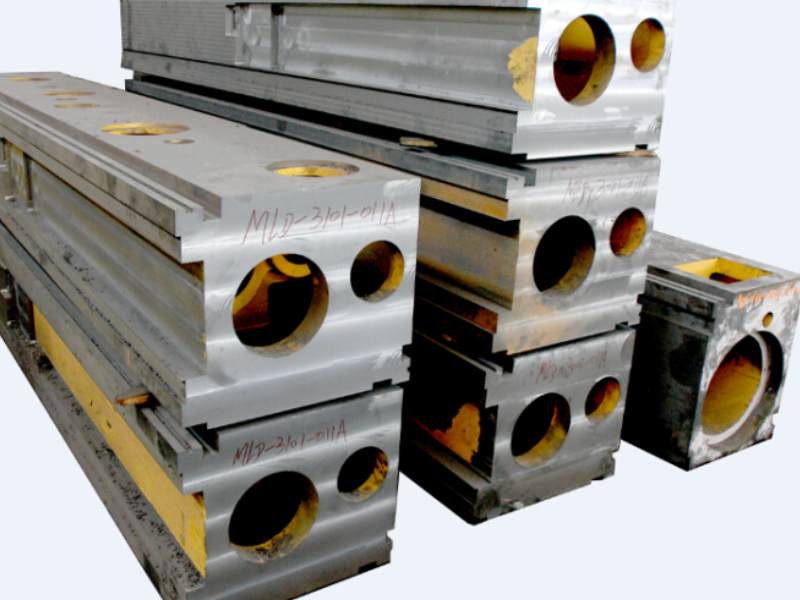
The best Metal CNC Lathing Machine shortlist is based on verifiable construction and system details, not broad statements about quality. Many MAKCNC machine bodies use high-strength cast iron, including resin-sand castings, followed by aging treatment intended to support long-term rigidity and accuracy. Core transmission parts such as ball screws and guideways may use high-precision components from Taiwan or Germany. These details matter because a turning machine is a system: bed structure, guideway condition, drive components, clamping, tooling, and programming all influence finished parts. For mold-industry precision work, certain system configurations can integrate intelligent feedforward and quadrant compensation functions to address issues such as overcut marks, quadrant marks, and vibration-related surface marks. That does not mean every application needs these functions. A simple low-tolerance bushing may not justify the same configuration review as a precision mold-related part. Ask the supplier to identify which features are included in the quoted machine rather than treating optional functions as standard.
- Choose a rigid machine structure when material removal and stable turning are priorities. This is less decisive for very light finishing work.
- Ask about screw and guideway brands or configuration when repeatability and long-term maintenance planning matter. Do not treat component origin alone as proof of finished-part capability.
- Review control functions against the drawing for precision contouring or surface-sensitive parts. These functions do not replace correct tooling, workholding, and process parameters.
Metal CNC Lathing Machine Applications for Production Planning
A Metal CNC Lathing Machine is commonly considered for shafts, sleeves, threaded fittings, couplings, flanges, discs, rings, and other rotational metal parts. The correct application review starts with the drawing, then works backward to the raw material and loading method. For example, a stepped shaft made from bar stock may require confirmation of through-spindle bar capacity and support requirements. A short disc part may require a chuck and jaw arrangement that does not obstruct the machining faces. Where a component needs milled flats, drilled cross holes, or multiple non-turning features, procurement teams should also assess whether a machining center is needed in the process route. MAKCNC provides a professional CNC machining center solution for buyers reviewing vertical and horizontal machining options alongside turning capacity. The limit is clear: a lathe should not be forced to perform operations that are better handled by a suitable milling or machining-center process.
A Sourcing Workflow That Matches Chuck Size, Bar Capacity, and Spindle Torque to Shaft or Disc-Part Production Before Requesting Quotes
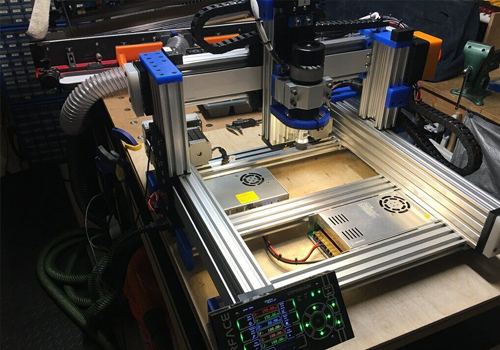
Before issuing an RFQ for a Metal CNC Lathing Machine, procurement teams should match three machine factors to the actual workpiece family: chuck size, bar capacity, and spindle torque. This prevents a common sourcing error where suppliers receive only a general request for a “CNC lathe” and respond with machines that cannot be compared fairly. The conclusion is simple: use the part drawing and raw stock details to create a common technical request for every supplier. Chuck size matters because inadequate jaw contact can create clamping risk for disc parts. Bar capacity matters because oversized bar stock cannot pass through the spindle as planned. Spindle torque matters because a machine may rotate a workpiece but still be poorly matched to the cutting load required by the material, diameter, and operation. This workflow fits supplier-shortlisting work. It may need further engineering review for highly specialized materials, unusual fixtures, or complex automation cells.
| RFQ Check Item | Information to Provide | Risk If Skipped | Best Fit |
|---|---|---|---|
| Chuck size and jaw arrangement | Finished diameter, raw diameter, clamping length, machined faces | Insufficient clamping contact or blocked tool access | Disc parts, flanges, rings, short forgings |
| Bar capacity | Bar outside diameter, material form, cut length, planned feeding method | Bar stock cannot pass through the spindle | Shafts, sleeves, repeated bar-fed parts |
| Spindle torque | Material, largest cutting diameter, roughing and finishing operations | Unstable cutting conditions or unsuitable process planning | Steel parts and heavier roughing operations |
| Part support method | Overall length, slender sections, center-hole availability | Deflection or poor surface results on long parts | Long shafts and stepped components |
- Group all planned parts into shaft, sleeve, disc, flange, and mixed-feature families.
- Identify the largest raw stock diameter and the longest finished workpiece in each family.
- State whether stock arrives as bar, casting, forging, cut blank, or pre-machined material.
- Mark all turning operations, including facing, boring, threading, grooving, and parting.
- Send the same drawings and process assumptions to each shortlisted CNC lathe supplier.
- Request written confirmation of chuck suitability, bar capacity, spindle torque suitability, and proposed accessories.
Metal CNC Lathing Machine Price Factors and Quote Comparison
The price of a Metal CNC Lathing Machine changes with configuration, workholding, control system, tooling scope, automation needs, transport terms, commissioning requirements, and after-sales conditions. A lower initial quote may exclude items that are required for the intended process, such as a suitable chuck arrangement, special fixtures, or additional support equipment. The practical recommendation is to compare quote scope before comparing totals. Ask every supplier to separate the standard machine from included accessories, optional tooling, packaging, shipping terms, installation support, training, warranty, and paid service conditions. This method fits procurement teams preparing an internal approval sheet. It does not replace a technical acceptance plan, especially where the buyer must validate parts before final acceptance. MAKCNC has no hard minimum order quantity, so a single machine can be purchased; larger orders may receive better commercial terms related to price, delivery, or after-sales service.
| Quote Area | What to Ask For | Why It Affects Buying Cost |
|---|---|---|
| Base machine | Model, standard configuration, listed included items | Defines the actual starting scope. |
| Workholding | Chuck type, jaws, fixture requirements | Workholding may determine whether the part can be produced. |
| Process support | Installation, training, commissioning scope | Responsibilities should be clear before delivery. |
| Service terms | Warranty start point, response process, paid service terms | Long-term ownership costs extend beyond purchase price. |
Metal CNC Lathing Machine User Guide for Acceptance and Operation
A Metal CNC Lathing Machine should be accepted against agreed documents rather than visual inspection alone. Start by confirming that the delivered model and included options match the purchase order. Then inspect transport condition, machine identification, accessories, electrical requirements, manuals, and spare-part documentation. Before production release, run representative parts using agreed raw material, workholding, tooling, and programs. This is the point to verify that the selected chuck grips the part correctly and that bar stock can be processed according to the planned method. For everyday use, keep operators focused on safe clamping, correct tool offsets, chip management, lubrication procedures, and scheduled inspection of wear items. The recommendation applies to new-machine commissioning. It does not replace site-specific safety rules, local electrical requirements, or operator training required by the buyer’s facility.
- Confirm the machine configuration against the signed quotation before installation.
- Use representative workpieces during acceptance where the contract requires part validation.
- Record tool offsets, workholding setup, and first-article settings for repeat orders.
- Do not change cutting conditions without considering material, tool grade, clamping, and part rigidity.
- Keep a service record covering alarms, adjustments, replacement parts, and preventive maintenance actions.
Metal CNC Lathing Machine Supplier Evaluation for MAKCNC
When selecting a Metal CNC Lathing Machine supplier, assess manufacturing background, available machine scope, communication quality, technical response, delivery discussion, warranty terms, and service arrangements. MAKCNC was established in 2016 and operates multiple production lines with sample-machine inventory. Quoted delivery timing is generally discussed within a range of 1 to 6 months, depending on the machine and order conditions. The usual warranty is 12 months after whole-machine acceptance, followed by lifetime paid service. Some tender projects may require a higher warranty level, such as three years of free warranty, so buyers should place required terms directly in the RFQ. A mature service network may commit to an 8-hour response and on-site fault handling within 48 hours, subject to the applicable service arrangement. Learn more about MAKCNC when preparing a supplier shortlist. This evaluation approach is suitable for export buyers who need documented commercial and technical clarification before placing an order.
FAQ of Metal CNC Lathing Machine Sourcing
Should buyers send only a part drawing when requesting a quote?
No. A drawing is essential, but the RFQ should also state raw material form, stock diameter, finished quantity, tolerance requirements, expected operations, loading method, electrical requirements, destination, and requested delivery terms. Without these details, suppliers may quote different assumptions that make comparison unreliable.
Is a larger chuck always the better choice?
No. A larger chuck may suit larger disc parts, but the correct selection depends on workpiece diameter, jaw contact, clamping length, tool access, and the production mix. Oversizing without checking the full setup can add cost without solving the real workholding requirement.
Can one turning machine handle both shafts and disc parts?
It can, if its workholding, capacity, tooling, and support arrangements suit both part families. However, buyers should verify setup time and fixture needs. A machine optimized for repeated bar-fed shaft production may not be the most efficient choice for frequent large disc-part changes.
If you are looking for a Metal CNC Lathing Machine supplier, contact MAKCNC for the latest product quotation and selection advice based on your drawings.