How to Choose a Heavy Horizontal Machining Center
What is a Heavy Horizontal Machining Center?
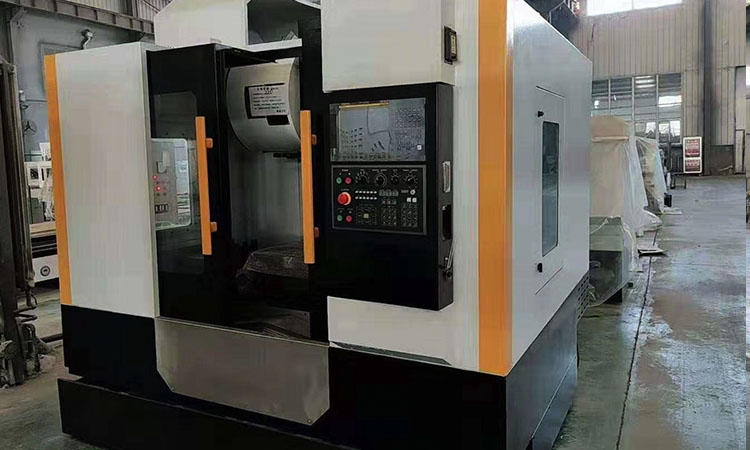
A Heavy Horizontal Machining Center is a CNC machine with a horizontal spindle, a pallet or rotary table, and a structure sized for large, heavy workpieces and high-torque cutting in tough materials such as alloy steel, cast iron and stainless forgings. The horizontal spindle lets chips fall away from the cut instead of piling up in a pocket. The pallet lets you machine several faces of a part in one clamping. Buyers who define only travel and table size at the RFQ stage often regret it later. The quote arrives, the machine fits the part on paper, and then it chatters on the first deep roughing pass, or it cannot carry the part and fixture together. This guide shows how to turn part weight and cutting demand into fixed specification limits before you shortlist any supplier.
Types of Heavy Horizontal Machines
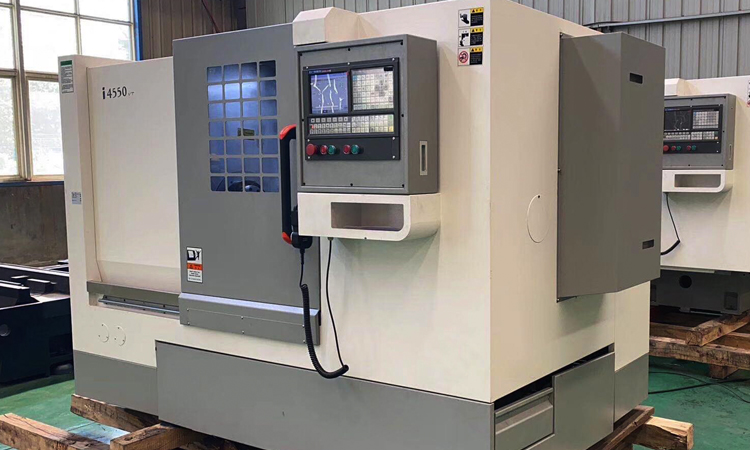
Most heavy horizontal machines fall into a few configurations, and each one suits a different production pattern. A single-pallet machine with a rotary table is the simplest option and fits one-off or low-volume large parts. A twin-pallet machine lets the operator load the next part while the current one cuts, which matters when the cycle is long and the spindle should not wait for setup. Tombstone or multi-face fixtures turn either layout into a multi-part cell for medium batches. Check what each type does not solve. Slender, rotating parts such as long shafts usually belong on a lathe, not a machining center.
| Configuration | Best fit | Limit to confirm |
|---|---|---|
| Single pallet, rotary table | Large one-off or low-volume parts, multi-face machining in one clamping | Spindle idles during loading and unloading |
| Twin pallet changer | Long cycles, repeat orders, planned production | Needs floor area and a second fixture set |
| Tombstone fixture on pallet | Several medium parts per cycle | Fixture weight reduces usable pallet load |
Features to Verify Before You Shortlist
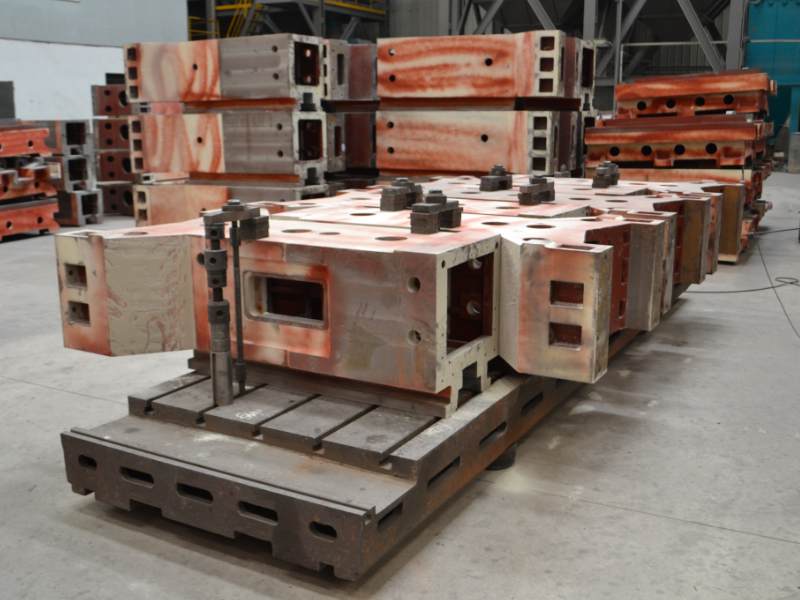
Heavy cutting depends on the structure first and the control second. Look for high-strength cast iron, such as resin sand castings, given aging treatment so the machine keeps its accuracy and stiffness over the long term. Then ask which brands supply the ball screws and guideways. Taiwanese or German high-precision components are common choices, but the real question is how the whole system is matched, because individual parts do not decide performance alone. For mold and die work, check the control functions as well. Intelligent feedforward and quadrant-crossing jump compensation address over-cut marks, quadrant marks and chatter marks. If your parts need several faces machined, confirm that one clamping really reaches all of them within the axis travel. A professional CNC machining center solution should list these items in writing, not only in a brochure.
Heavy Horizontal Machining Applications
Typical parts include valve bodies, pump casings, gearbox housings, mold bases, machine frames and other large castings or forgings where several faces need accurate relation to each other. The common thread is mass plus a demanding material. Horizontal machining suits these jobs because gravity clears chips, and one clamping keeps face-to-face relationships intact. It is a weaker fit for small, light parts, where a smaller machine costs less and cuts as well. It is also a poor fit for turned parts, which belong on a CNC lathing machine. For mixed, small-batch production, the multi-face capability is the strongest argument. It cuts the number of setups, and each setup is a chance for alignment error.
A Boundary-Based Selection Method Before You Request Quotes
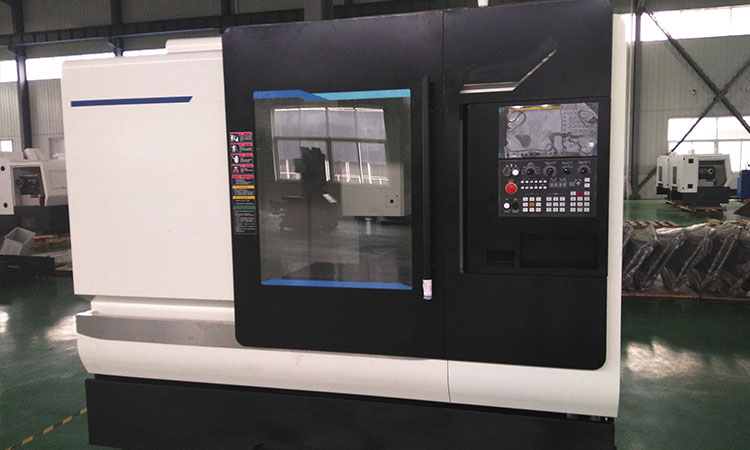
Do not send a supplier only a part drawing. Send four boundaries and ask the supplier to answer each one in writing. This turns the first quote into a technical comparison instead of a price list.
| Boundary | What you define | What to ask the supplier | When it does not apply |
|---|---|---|---|
| Casting mass | Heaviest cut you plan, and the material | Net machine weight and the main structural castings, plus material and aging treatment | Light finishing work, where mass matters less than control quality |
| Cutting torque | Largest cutter diameter, depth of cut and material | Spindle torque at the speed range you will actually use, not only peak torque | High-speed finishing in soft alloys |
| Pallet load | Part + fixture + tombstone, all added together | Rated load with a margin, and whether it holds at full rotary indexing | Parts held directly on the table with no fixture |
| Axis travel | Part envelope plus tool length and clearance for the rotary table | X, Y, Z travel and the distance from spindle nose to pallet center | Parts machined in several clampings on purpose |
Step-by-step use
- Weigh the heaviest part and the heaviest fixture. Add them.
- Write down the roughest cut: cutter, depth, width of cut, material.
- Draw the part envelope with the rotary table at every indexed angle.
- Send the four boundaries to each supplier and ask for a written response per row.
- Drop any quote that answers with a model name instead of a number or a condition.
Worked example
Say you machine alloy steel valve bodies on a tombstone holding two parts. Pallet load must cover two parts, the tombstone and the clamps, not one part. Torque must match the roughing pass on the toughest face. Travel must clear the tombstone when it rotates. A machine that passes only the first check will still fail the job.
Common mistakes
- Counting part weight and forgetting the fixture.
- Comparing peak torque instead of torque at working speed.
- Checking travel at zero degrees only, not after rotation.
- Treating machine weight as a quality guarantee without asking about aging and casting material.
Heavy Horizontal Machining Price Factors
Price moves with the boundaries above. A larger pallet load and longer travel mean bigger castings and heavier drive components, so the cost rises. A higher-torque spindle, a twin-pallet changer, and higher-grade screws and guideways each add cost. So do special control functions for mold work and customized fixtures or options. Delivery time also depends on configuration, and typical lead times run from 1 to 6 months. As for order size, there is no hard minimum, and a single unit can be purchased. A batch order may earn better terms on price, delivery or after-sales service. Ask each supplier to itemize the quote so you compare equal scopes. A low base price with a small pallet or a weak spindle is not a lower price for the same job.
User Guide: Installation and Acceptance Tips
Plan the foundation before the machine ships. Ask the supplier for a foundation drawing and the lifting weight so your crane and floor are ready. After leveling, run a warm-up cycle before any precision check. Write the acceptance test into the contract: the material, cutter and cutting data you will use, and the part or test piece you will cut. Do this before payment, not after. Keep fixture weight inside the rated pallet load every day, not only on the first job. If a cutting problem appears, such as chatter or quadrant marks, record the tool, speed and direction before calling service, so the cause can be found faster. Agree in advance who is responsible for installation, training and acceptance.
MAKCNC as a Horizontal Machining Supplier
MAKCNC was founded in 2016 and runs several production lines, and demonstration machines are held in stock. The quality system is certified to ISO 9001:2015. For buyers evaluating a Heavy Horizontal Machining Center, these facts support the checks above. The structure uses high-strength cast iron with aging treatment, and the core screws and guideways come from Taiwanese or German brands. Standard warranty is typically 12 months from machine acceptance, with lifelong paid service afterward. Some tender projects require three years of free warranty, which should be discussed before quoting. The service network typically commits to a response within 8 hours and an on-site visit within 48 hours. If your requirement is outside a standard model, review customized CNC machines and machining centers from MAKCNC, or read about MAKCNC for background on the company.
FAQ of Heavy Horizontal Machining
What should I send first in an RFQ?
Send the heaviest part weight, the fixture weight, the material, the roughest cut and the part envelope. These four boundaries let a supplier check fit before quoting.
Is a larger pallet always better?
No. A larger pallet costs more and takes more floor area. Rated load and travel matter more than pallet surface size for most heavy parts.
Can I order only one machine?
Yes. There is no hard minimum order, and a single unit can be purchased. Multiple units may bring better commercial terms.
How long does delivery take?
Lead time typically ranges from 1 to 6 months, depending on configuration and options.
If you are looking for a supplier of heavy horizontal machining equipment, send your part weight, material and axis travel needs to the MAKCNC team through makcnc and request the latest quotation.