
How to Source an Automatic Horizontal Machining Center
What Is an Automatic Horizontal Machining Center?
Definition and sourcing purpose
Automatic Horizontal Machining Center refers to a computer-controlled machining system with a horizontally oriented spindle and automation features that can reduce manual intervention between machining cycles. Depending on the required cell design, automation may include pallet exchange, a tool magazine, chip evacuation equipment, workpiece probing, tool measurement, and part-handling interfaces. The basic machine is only one part of the purchase decision. A buyer sourcing an automated HMC cell must define how the machine, fixture, cutting tools, chips, inspection process, and operator workflow will work together. Missing one interface at RFQ stage can create expensive changes after the purchase order is issued.
For procurement teams, the correct question is not simply whether a supplier offers a horizontal machine. The question is whether the proposed configuration can meet the production route, workholding method, unattended-cycle target, floor-space limits, maintenance access requirements, and acceptance method. Computer numerical control governs programmed machine movement, but automation performance also depends on the practical details around the machine. These details should be requested in writing before shortlisting a supplier.
Types of automated horizontal machining systems
Buyers normally encounter several sourcing options. A basic horizontal machine may use manual loading and a fixed table. A pallet-equipped version may allow a finished part to be removed while another workpiece is machined. A higher-automation cell can combine pallet storage, a larger tool magazine, chip handling, and probing. Some projects need four-axis positioning for multi-face machining, while others require simultaneous multi-axis work based on the part geometry and process plan. Do not select a type only because it has more automation. A low-volume job with frequent engineering changes may benefit more from flexible fixtures and accessible manual intervention than from a large pallet system. By contrast, stable repeat orders with lengthy cycle times are better candidates for automated pallet exchange and unattended-operation planning.
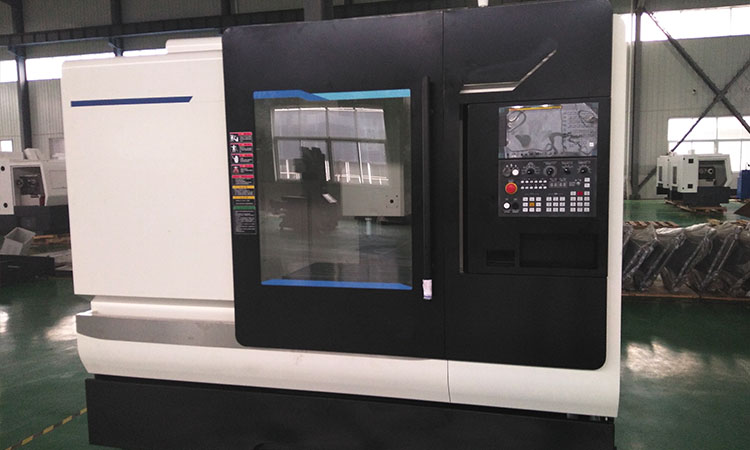
Match the Machine Type to the Production Need
Choose automation around the actual bottleneck
The machine type should address the limiting step in your production process. If operators lose time waiting for parts to be loaded and unloaded, assess pallet exchange and external setup capability. If machining pauses because cutters wear or many tools are needed for one part family, assess magazine capacity, tool-management functions, and the supplier’s method for documenting tool interfaces. If chip accumulation affects access, finish quality, or machine availability, define the material, chip form, coolant condition, and collection route. If fixture position or feature verification causes rejects, define the probing requirement and the measurement routine expected in the cycle.
| Production situation | Preferred sourcing focus | Why it fits | When it may not fit |
|---|---|---|---|
| Repeated parts with long machining cycles | Automatic pallet exchange and offline fixture preparation | Loading can take place while another pallet is being machined. | Not justified when order quantities are irregular or fixtures change constantly. |
| Parts requiring several cutters | Tool magazine capacity and tool-life management details | Reduces the risk of manual tool changes interrupting a programmed process. | A large magazine alone does not solve poor tool data, unclear holders, or unstable cutting conditions. |
| Cast iron or high-chip-volume machining | Chip conveyor, coolant filtration, and chip-bin access | Chip control affects machine access and routine maintenance. | Do not specify a chip system before confirming material, chip shape, coolant, and shift pattern. |
| Multi-face precision parts | Probe functions, fixture datum plan, and acceptance features | Supports a documented approach to part location and in-process checks. | Probing does not replace final inspection where customer documentation requires external measurement. |
Assess the part before discussing machine size
Start with representative drawings, not a generic machine request. Identify the largest workpiece envelope, finished and raw material condition, weight, datum scheme, critical features, machining allowance, hole patterns, and required faces per setup. Then identify the annual quantity range and batch size. These inputs determine whether a pallet station supports useful setup reduction or becomes unused capacity. They also clarify whether a horizontal machine is the right route. For parts that are simple, plate-like, and accessible from one top face, a vertical configuration may be more suitable. Buyers comparing both layouts can review a professional cnc machining center solution before defining the RFQ.
Use a Supplier Qualification Workflow That Connects Automation to RFQ Acceptance
Turn automation options into acceptance criteria
Automatic pallet, tool magazine, chip-handling, and probing specifications should never appear as isolated line items in an RFQ. Each one needs a linked acceptance criterion. The supplier should understand what the option must accomplish, what information must be supplied for review, and how the buyer will verify the agreed scope. This workflow prevents a common mistake: purchasing an option by name without agreeing on its interface, operating condition, or evidence of function.
| RFQ subsystem | Information to provide to suppliers | Acceptance criterion to agree before order | Common qualification gap |
|---|---|---|---|
| Automatic pallet | Pallet quantity required, workpiece and fixture details, loading method, target changeover routine, and available floor space | Supplier proposal identifies pallet interface, loading sequence, operator access, and the agreed demonstration condition. | Request states “pallet changer” but does not define fixture mass, clamping, or load/unload access. |
| Tool magazine | Tool list, holder types, maximum tool envelope, estimated tool count per part family, and replacement routine | Proposal lists magazine scope and confirms that the specified tooling envelope is considered. | Tool count is specified without checking adjacent-pocket interference or special-tool requirements. |
| Chip handling | Workpiece material, chip form, coolant method, expected operating schedule, and chip collection location | Proposal describes the chip route, collection arrangement, and maintenance access expected for the defined application. | Buyer requests a conveyor without identifying whether long stringy chips or fine chips are expected. |
| Probing | Probe purpose, datum features, measurement points, required reports, and whether checks occur before or after machining | Supplier documents the probe scope, intended cycle use, and any buyer-supplied calibration or inspection responsibility. | Probe is treated as proof of final dimensional acceptance without an agreed measurement plan. |
Apply the workflow in a practical order
- Issue a controlled RFQ package containing part drawings, material information, annual demand range, batch size, routing expectations, and site constraints.
- Separate mandatory requirements from preferred options. Mark which requirements are needed for quotation and which can be priced as alternatives.
- Ask each supplier to respond against the same subsystem table. This makes quotations easier to compare.
- Request written exclusions. For example, clarify whether fixtures, cutting tools, probing cycles, coolant, chip bins, installation support, and operator training are included or outside the proposal.
- Agree on pre-shipment and site acceptance conditions before commercial negotiation is finished. Acceptance should relate to the buyer’s representative part, agreed tooling, agreed fixture responsibility, and agreed verification method.
- Keep commercial terms separate from technical compliance. A lower initial price is not directly comparable if automation interfaces or acceptance obligations are omitted.
This method fits buyers preparing a shortlist before technical negotiation. It is less suitable when a company is replacing an identical machine with unchanged fixtures, programs, and tooling, because the existing process documentation may already define many interfaces. Even then, confirm any changes in controls, pallet design, coolant routing, or probe system before treating the replacement as like-for-like.
Build an RFQ That Allows Fair Price Comparison
Compare scope rather than the headline price
Machine pricing can vary because the quoted scope varies. A proposal with a lower machine price may exclude the automation hardware, fixture support, delivery work, commissioning activities, or spare-parts recommendation required for the intended cell. Use a cost breakdown that forces commercial and technical teams to review the same assumptions. Do not ask suppliers to guarantee an all-inclusive figure when the site layout, local installation work, tooling, and acceptance part are still undefined. Instead, request clear inclusions, exclusions, and option pricing.
| Cost area | What to request in the quotation | Buyer action |
|---|---|---|
| Base machine | Machine configuration, control scope, standard accessories, and stated exclusions | Confirm the proposal matches the machining route, not only the part size. |
| Automation equipment | Pallet arrangement, magazine scope, chip-handling equipment, and probing options listed separately | Compare equivalent functions across all shortlisted suppliers. |
| Fixtures and tooling | Responsibility for fixture design, workholding supply, toolholders, cutters, and tool data | Assign each item to buyer, supplier, or a nominated third party. |
| Installation and acceptance | Site preparation needs, commissioning scope, training scope, and acceptance responsibilities | Document who supplies utilities, handling equipment, personnel, and test parts. |
| After-sales support | Warranty period, paid-service terms after warranty, response commitments, and spare-parts discussion | Compare support terms with the operating risk of the cell. |
Avoid these shortlisting mistakes
- Buying pallet automation before defining fixture handling. The pallet system must work with the actual fixture and operator loading process.
- Using magazine pocket count as the only tool-management criterion. Tool dimensions, holder styles, special tools, and replacement practice matter too.
- Assuming chip handling is universal. Chip behavior differs by material, toolpath, coolant, and machining conditions.
- Leaving acceptance language until after order placement. This makes it harder to resolve different expectations about test parts and process responsibility.
- Comparing delivery periods without confirming configuration. Automation scope, bought-in components, and order timing can affect the final schedule.
- Treating a probe as a substitute for a quality plan. The buyer still needs defined datums, inspection methods, and reporting requirements.
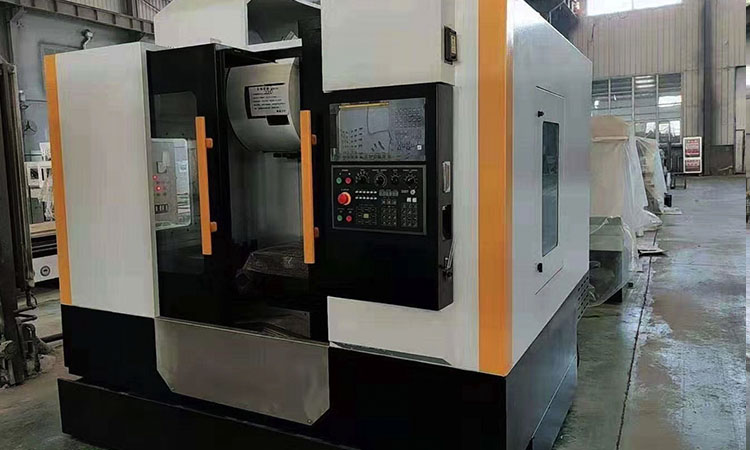
Plan Installation and Daily Use Before Placing the Order
Prepare the site and operating method early
An automated cell can underperform if the site and operator routine are not ready. Before order release, identify machine location, foundation requirements to be confirmed with the supplier, power and utility conditions, coolant management, chip-bin removal route, safe lifting route, operator access, and maintenance clearance. Plan where fixtures will be prepared and how workpieces will enter and leave the cell. If one operator must also inspect parts, define when inspection occurs and whether this interrupts pallet loading. These planning items suit any new automated machining project. They are less relevant for a direct replacement installed into an existing validated cell, although utility and access checks should still be repeated.
Use the machine construction statement carefully
For machine construction, request model-specific confirmation rather than relying on broad category descriptions. MAKCNC states that many machine bodies use high-strength cast iron, including resin-sand castings, with aging treatment intended to support long-term rigidity and accuracy. Its listed core transmission components commonly use high-precision components from Taiwan or Germany. These are relevant discussion points for a buyer concerned about machine structure and transmission selection, but they are not a substitute for confirming the exact configuration offered in the quotation. Ask the supplier to identify which construction and component details apply to the selected machine model and option package.
Assess MAKCNC as a Supplier for an Automated HMC Requirement
Fit, evidence, and cooperation boundaries
MAKCNC offers CNC machining centers, CNC lathing machines, and CNC machines. For buyers who need an automated horizontal project, the supplier fit should be assessed against the RFQ workflow above rather than assumed from a category listing. MAKCNC was established in 2016, has multiple production lines, and states that sample machine inventory is available. These facts may help a buyer begin supplier discussions, but the buyer should still request configuration-specific evidence for pallet automation, tool magazine scope, chip handling, probing, controls, fixtures, and the proposed acceptance method.
The stated order lead-time range is one to six months. This range should be treated as a planning reference, not a fixed promise for every automatic cell, because final timing depends on the selected configuration and order conditions. MAKCNC states that there is no mandatory minimum order quantity and that a single machine may be purchased. Buyers considering multiple machines can discuss improved commercial terms involving price, delivery, or after-sales support. This makes the supplier relevant both for one-machine capital projects and for buyers evaluating phased procurement, but those terms need to be confirmed in the final quotation.
Warranty and service points to clarify
MAKCNC states that its usual warranty is twelve months after complete-machine acceptance, followed by lifetime paid service. Some tender projects may require a longer free warranty, such as three years, which should be agreed as a project-specific commercial condition rather than presumed. The available service statement also refers to an eight-hour response and a forty-eight-hour on-site fault-arrival commitment through a mature after-sales network. Before relying on these terms, ask whether they apply to your installation location, product configuration, service hours, and fault category. This is especially necessary for export projects where site access, travel arrangements, and local support conditions may differ.
FAQ of Automated Horizontal Machining Center Sourcing
Should a buyer request a pallet system for every HMC project?
No. Request pallet automation when the expected production pattern has enough repeatability and machine cycle time to justify parallel loading or fixture preparation. It is often a weaker fit for very low-volume development work with frequent part changes, unless the fixtures and loading process are deliberately standardized. Ask suppliers to explain the pallet sequence against your actual workpiece and fixture arrangement.
What should be included in the first RFQ?
Include drawings, material information, part quantity range, batch size, required machining faces, representative tool list if available, fixture responsibility, automation requirements, site limitations, desired acceptance method, destination, and requested commercial terms. If information is not yet available, identify it as open rather than leaving it unstated. This allows the supplier to price assumptions clearly.
Can one machine be ordered for evaluation?
MAKCNC states that it has no hard minimum order quantity and can support a single-machine purchase. A single-machine evaluation may suit a buyer that wants to validate process capability before considering wider deployment. It does not automatically establish pricing, lead time, warranty extensions, or service conditions for later orders. Those items should be agreed for each purchase scope.
Which supplier documents should a buyer request?
Request the machine configuration sheet, option list, layout drawing, utility requirements, exclusions list, proposed delivery basis, warranty terms, service boundaries, and acceptance proposal. For an automated project, also request written confirmation of the pallet, tool magazine, chip-handling, and probing scope. Where the requirement depends on buyer fixtures or programs, state that dependency directly.
For a supplier discussion focused on your drawings, automation scope, and quotation requirements, contact makcnc for the latest product quotation.