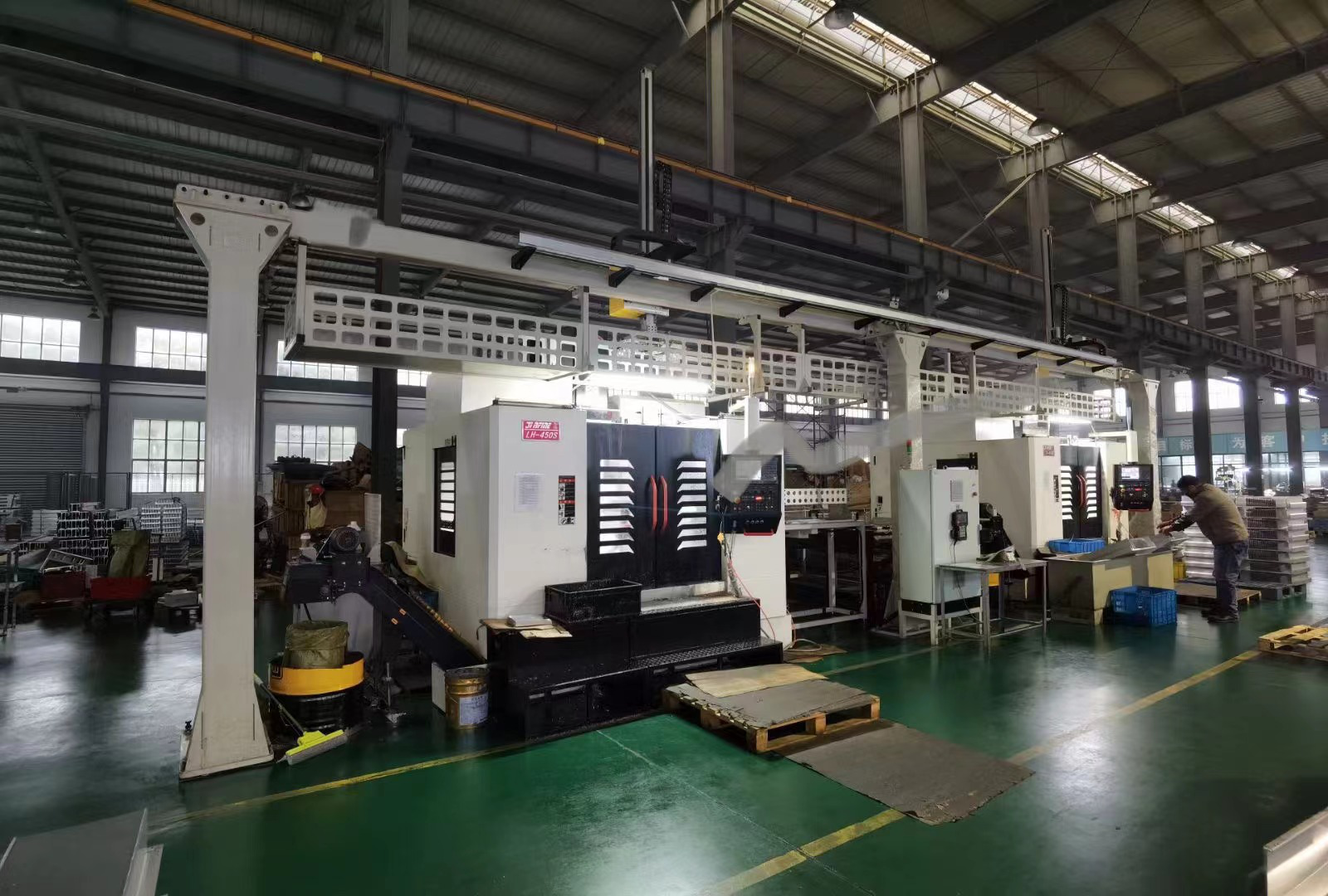
Improve Chip Flow With a Metal Turning Slant Bed CNC Lathe
What Is a Slant Bed CNC Lathe?
A Metal Turning Slant Bed CNC Lathe is a computer-controlled turning machine whose bed and cross slide sit on an inclined plane instead of a flat horizontal one. The tilt lets gravity pull swarf away from the cutting zone and down toward the chip conveyor. On a flat-bed lathe, chips tend to pile up on the ways and wrap around the workpiece or tool. On a slant bed, the geometry gives them a clear fall path.
The question production engineers should ask is not "does the machine have a slant bed?" but "does the whole chip path stay clear from insert to conveyor?" Bed angle alone does not answer that. Way covers, turret position and coolant direction all take part, and the section below explains how they interact.
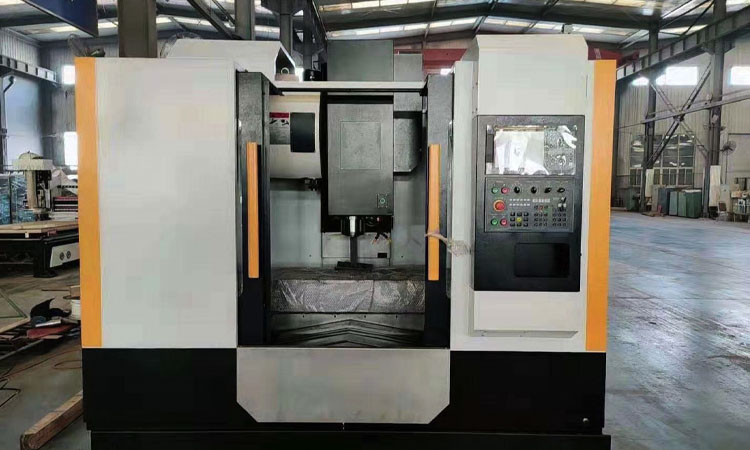
How Bed Angle, Way Covers, and Turret Position Prevent Chip Recutting
Chip recutting happens when a chip stays in the cut zone for another revolution or is dragged back under the insert. It damages surface finish, shortens insert life and can trigger an alarm in an unattended cycle. Three geometry choices decide whether chips leave the cut cleanly.
| Parameter | What it affects | Trade-off | What goes wrong if misjudged |
|---|---|---|---|
| Bed angle | Direction and speed of the chip's fall; how much the slide sits below the spindle centerline | A steeper bed clears chips faster, but it can limit the reach of the slide and make loading harder for the operator | Chips land on the slide or turret instead of falling clear |
| Way covers | Whether hot chips and coolant reach the guideways and screw | Better sealing protects the ways, but poorly shaped covers create ledges where chips collect | Chips build up on cover edges and are carried back into the cut |
| Turret position | Where the tool meets the workpiece relative to the fall line | A turret placed for tool reach may leave the chip path partly blocked | Chips bounce off the turret face and return to the cutting zone |
The three work as a chain. The angle sets the fall line. The covers must follow that line with smooth, sloped surfaces and no flat shelves. The turret must sit so the insert cuts on the side where chips are thrown downward, not against a wall of tool holders. Fix one and ignore the others, and recutting often continues.
Limit of this logic: long, stringy chips from soft or ductile metals can still wrap the tool even on a well-designed machine. In those cases chip breaker geometry, feed rate and coolant pressure matter as much as the bed layout.
Types of Slant Bed CNC Lathes
Slant bed lathes are usually grouped by how the machine is configured, and each type changes the chip situation differently. A two-axis machine with a turret is the standard format for shafts, flanges and bushings. Here the turret position relative to the chip path is the main design question. A turning center with a driven-tool turret and a Y-axis adds milling and drilling, which brings more chip directions into one cycle. Machines with a sub-spindle finish the back side automatically, so chips fall in two different locations and the conveyor must cover both.
- Two-axis turret lathe: simplest chip path, best for single-operation turning of bar or chucked parts.
- Turning-milling center: flexible for complex parts, but milling chips are shorter and scatter more widely.
- Twin-spindle configuration: fewer re-clamps, with two chip zones to keep clear.
Choose by part family, not by feature count. A shop running mostly simple turned parts rarely benefits from the added chip complexity of a milling turret.
Features That Matter for Chip Flow and Turning Stability
Several features connect chip behavior to machine stability. The structure matters because a slant bed concentrates cutting forces differently from a flat bed. MAKCNC bodies are generally made from high-strength cast iron, including resin sand castings, aged to preserve long-term accuracy and rigidity. Key drive components, such as lead screws and guideways, are selected from Taiwanese or German brands.
- Rigid bed casting: keeps vibration down, which reduces chatter marks that can be mistaken for chip-related surface defects.
- Sloped, smooth way covers: they help chips slide to the conveyor and protect the guideways.
- High-precision screws and guideways: keep positioning stable during long cycles, so the insert holds its path as chips are cut.
- Chip conveyor and coolant layout: these must be sized for the material being turned, since steel and aluminum produce very different chip volumes.
A higher number on any one of these is not automatically better. A steeper angle, for example, improves clearance but may reduce operator access. The right setting depends on part size, material and whether the cell runs unattended.
Slant Bed CNC Lathe Application
These machines suit shops turning steel, stainless steel, aluminum and other metals where continuous chip evacuation protects both surface finish and machine uptime. Typical fits include automotive shafts, hydraulic fittings, pump components and general precision parts. Unattended or lights-out turning benefits most, because a single wrapped chip can stop a cycle for hours.
Illustrative scenario: a shop turns stainless steel flanges in batches overnight. On a flat-bed machine, long chips collect around the turret and stop the cycle. Moving to a slant bed with sloped covers and a clear turret fall line removes the pile-up point. The operator still needs to check chip breaker settings, but the machine no longer relies on gravity-defying chip behavior. This is an example of the mechanism, not a measured customer result.
It is less suitable for very short runs of large, heavy parts where loading access matters more than chip evacuation, or for work where a flat-bed manual lathe already meets the requirement.
Slant Bed CNC Lathe Price
Price varies with configuration, and no single figure applies to every model. The main cost drivers are listed below.
| Cost factor | Effect on price | Check before ordering |
|---|---|---|
| Spindle size and power | Larger capacity raises cost | Match to maximum bar and chuck size |
| Turret type | Driven tools and a Y-axis add cost | Confirm you need milling in the same cycle |
| Sub-spindle | Adds cost, saves a second operation | Check batch size and re-clamp frequency |
| Chip handling | Conveyor type and coolant system change the total | Match to material and chip volume |
| Control and components | Brand choices affect cost and support | Ask for the component list |
MAKCNC has no fixed minimum order quantity. A single machine can be purchased, while multi-unit orders may qualify for better terms on price, lead time or after-sales service. Typical lead times run from one to six months depending on configuration.
Slant Bed CNC Lathe User Guide
Good chip flow depends on setup as much as design. Follow these steps when commissioning or evaluating a machine.
- Confirm the machine sits level on a solid foundation so coolant drains toward the conveyor as intended.
- Choose insert chip breakers for the material and the depth of cut, then test with a short sample run.
- Aim coolant so it pushes chips down the fall line, not across the turret.
- Check way covers and turret faces for chip build-up after the first batch.
- Set a cleaning interval for the conveyor and covers, especially for unattended cycles.
Common mistakes
- Treating bed angle as the only chip-flow specification.
- Running long-chip material without adjusting feed or chip breaker.
- Ignoring chip buildup on turret faces until a part shows scratches.
- Specifying driven tooling when the part does not need it, which adds complexity to the chip path.
Buyer's checklist
- Ask for a view of the chip path from insert to conveyor, with way covers and turret in position.
- Request a test cut on your material, if possible.
- Confirm the guideway and screw brands.
- Verify warranty and service response terms.
FAQ of Slant Bed CNC Lathes
Does a steeper bed always mean better chip flow?
No. Steeper angles help gravity, but chip control also depends on way cover shape, turret position, coolant and chip breaker choice. A steeper bed can also reduce operator access.
Can a slant bed lathe run unattended?
It can reduce the risk of chip-related stoppages, but reliability still depends on material, tooling and cleaning routines. Test your own parts before relying on lights-out turning.
What should I request before specifying a machine?
Ask for the configuration details, a chip path drawing, the main component brands and, where possible, a test cut on your material. Without these, a selection decision rests on assumptions.
Slant Bed CNC Lathe Supplier
MAKCNC has built CNC machines since 2016 and operates multiple production lines, with demonstration machines kept in stock. Our facility is certified to ISO 9001:2015. As a professional cnc lathing machine manufacturer, we design around rigid cast iron structures and high-precision Taiwanese or German drive components. You can browse our cnc lathing machine range, or discuss customized cnc machines and machining centers from makcnc if your part needs a special setup.
Standard warranty is 12 months from machine acceptance, with lifetime paid service afterward. Our service network typically responds within 8 hours and reaches the site within 48 hours. Some tender projects require longer terms, such as three years of free warranty, and these can be discussed case by case.
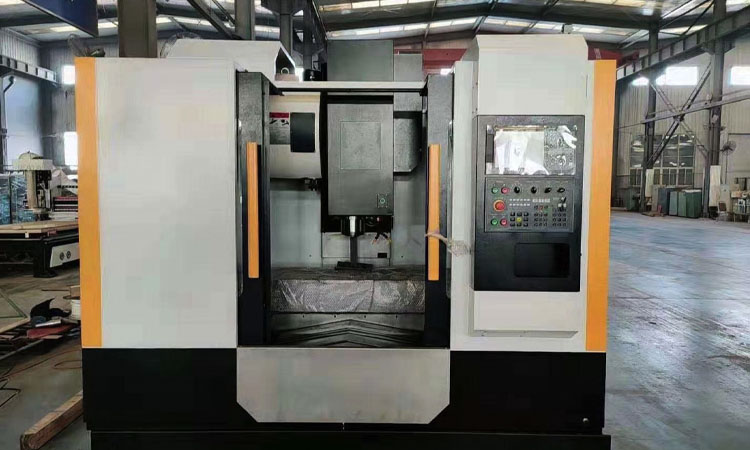
If you are looking for a slant bed lathe supplier, send us your part drawings and material details through makcnc and we will reply with selection advice and a current quotation.