Milling Machine Center Export Buying Guide
What Is a Milling Machine Center
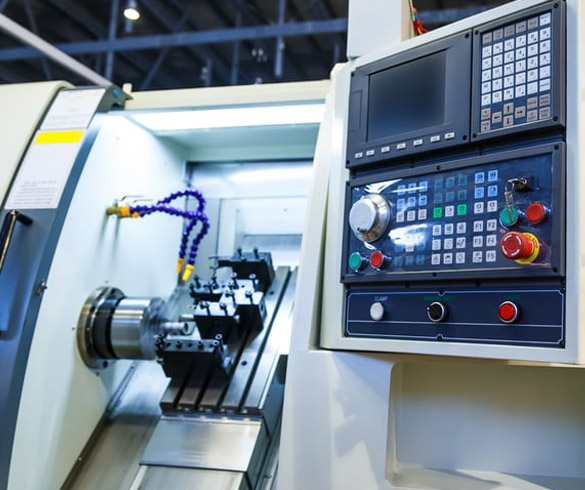
A milling machine center is a computer-controlled machine tool that removes material from a workpiece using rotating cutting tools. Compared with a basic milling machine, it typically combines programmed cutting, automatic tool changing, multi-axis movement, coolant delivery, and precise workpiece positioning in one production system. The equipment can drill, tap, slot, face, pocket, contour, and finish metal parts with consistent accuracy. For export buyers, the term may include compact three-axis machines, four-axis production models, five-axis systems, and large equipment built for heavy components. The suitable model depends on part size, material, tolerance requirements, batch volume, available floor space, and electrical standards in the destination country.
Types of Milling Machine Center
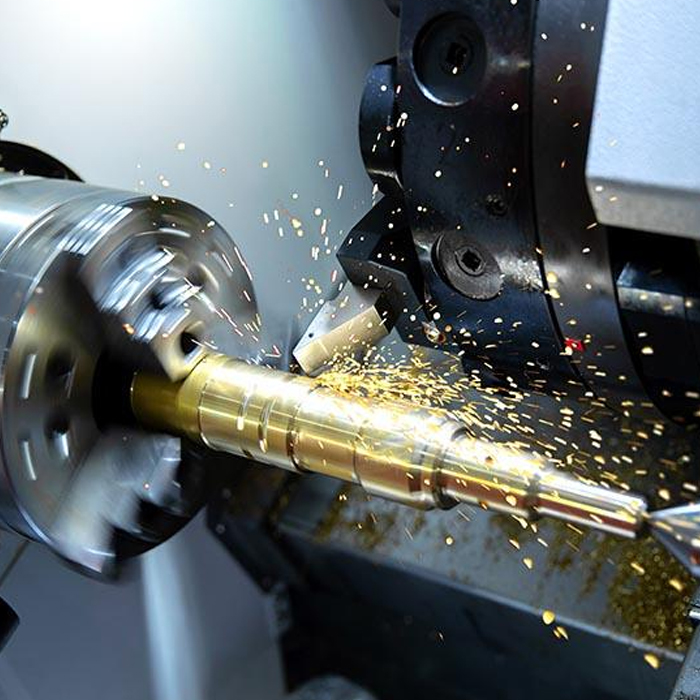
Several main machine types are available, each suited to a different production requirement. A vertical machining center has a vertical spindle and is widely used for molds, plates, brackets, housings, and general mechanical parts. A horizontal milling center uses a horizontal spindle, helping chips fall away from deep cavities while supporting pallet-based production. A CNC milling machine center can be configured with three, four, or five controlled axes. Three-axis models work well for common prismatic parts, while four-axis machines add rotary positioning for machining multiple faces. Five-axis equipment reaches angled surfaces with fewer setups. Gantry milling centers are designed for wide or tall workpieces, while compact machines suit smaller workshops and job shops.
Vertical Machining Center
A vertical machining center is often the first choice for factories that need flexible production and straightforward programming. The spindle approaches the workpiece from above, which makes setup, inspection, and tool access easier. Buyers should compare X, Y, and Z travel instead of judging capacity by the machine’s external dimensions. For instance, a machine with 800 mm X travel, 500 mm Y travel, and 500 mm Z travel may be suitable for medium-sized automotive or agricultural machinery parts. Check the table size, T-slot layout, maximum workpiece weight, spindle nose standard, tool magazine capacity, and spindle nose-to-table distance. A 24-tool magazine may be sufficient for general machining, while mold work and mixed-part production may benefit from 30 or 40 tools.
Horizontal Milling Center
A horizontal milling center is built for efficient chip removal and access to several faces of a component. Because the horizontal spindle positions the cutter beside the workpiece, chips are less likely to collect in deep pockets. This layout is particularly useful for castings, gearbox bodies, engine components, and parts with internal features. Many horizontal models include an automatic pallet changer, allowing the operator to load one pallet while machining continues on another. When comparing machines, review pallet dimensions, pallet exchange time, spindle torque, rotary table accuracy, tool storage capacity, and maximum part diameter. A horizontal layout usually requires more careful floor planning, but it can reduce repeat setups and improve production flow for the right parts.
Features to Check Before Buying
The performance of a milling machine center depends on more than spindle speed. Speed influences cutting conditions, surface finish, and tool selection, but torque is equally important when machining steel, stainless steel, titanium, or cast iron. An 8,000 rpm spindle may suit heavy steel cutting, while a 12,000 or 15,000 rpm spindle can be a better fit for aluminum and smaller tools. Request the motor’s continuous and peak power, rated torque, taper type, balancing grade, and cooling method. Axis positioning accuracy and repeatability should be clearly stated, preferably with test standards and inspection records. The machine bed, column, guideways, and ballscrews also matter, since a heavy cast structure can reduce vibration during deep cuts.
Axis Configuration and Worktable Capacity
Axis configuration should match part geometry rather than simply choosing the highest number of axes available. Three linear axes are suitable for many plates, blocks, and housings. A fourth axis can hold cylindrical workpieces or rotate a part for machining several faces. Five-axis movement is useful for impellers, aerospace parts, medical components, and complex molds, although it generally requires more advanced programming and operator training. Worktable capacity must account for both dimensions and weight. A 1,000 mm by 500 mm table may not safely support a 900 kg casting if the machine rating is only 600 kg. Confirm table load, fixture height, maximum workpiece envelope, and potential interference zones before finalizing the purchase.
Automation and Control System
Automation can reduce handling time and improve repeatability, but it should reflect actual production volume. A standard automatic tool changer is suitable for varied low- and medium-volume jobs. Pallet changers, bar-code systems, probing, tool measurement, chip conveyors, and robotic loading become more valuable when the same parts run across several shifts. Buyers should also review the CNC control brand, language options, remote diagnostics, data backup method, and CAD/CAM compatibility. Renishaw-style work probes or equivalent measuring systems can help verify workpiece position and monitor tool condition. Ask whether the control supports metric and imperial programming, USB or network transfer, and password levels for operators, setters, and maintenance staff.
Milling Machine Center Applications
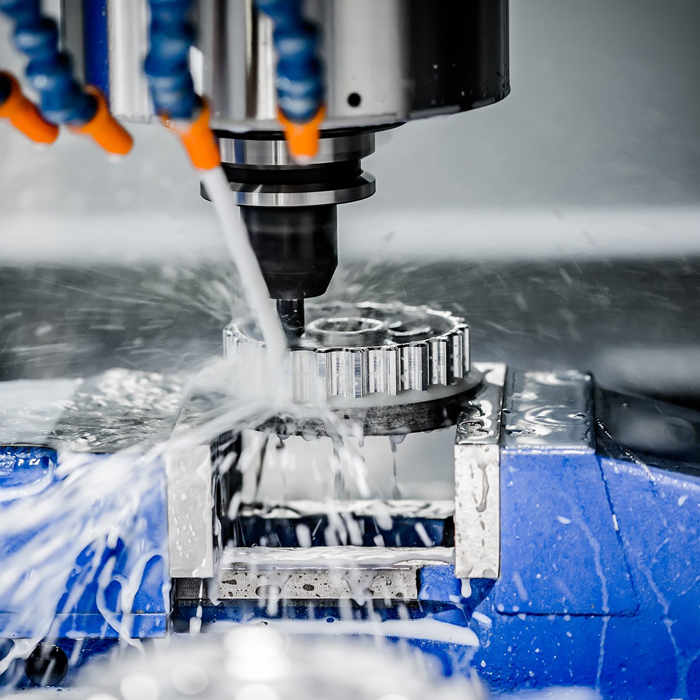
These machines are used across a wide range of export manufacturing sectors. In automotive production, they machine transmission housings, brackets, suspension components, and aluminum covers. Aerospace suppliers may require stable five-axis cutting, high-speed spindles, probing, and traceable inspection records for structural parts. Agricultural machinery manufacturers often need high table loads and strong torque for cast iron and steel components. Communication equipment and consumer electronics suppliers may select high-speed compact models for aluminum frames, heat sinks, and precision plates. Petroleum, mining, chemical, and water-conservancy projects often require larger machines for valve bodies, pump parts, flanges, and heavy assemblies. In practice, the best machine is not always the fastest model; it is the one that maintains the required tolerance throughout the full production cycle.
Milling Machine Center Price Factors
The price of a milling machine center varies with machine size, spindle package, axis count, control system, automation level, and inspection requirements. A compact three-axis machine generally costs less than a large gantry unit or five-axis production cell, but the purchase price is only one part of the export budget. Buyers should calculate tooling, fixtures, coolant equipment, chip removal, freight, insurance, customs duty, installation, training, and spare parts. A 12,000 rpm spindle, 24-tool magazine, fourth-axis rotary table, probing package, and pallet changer can add a substantial amount to the quotation. Construction details also influence long-term value: hardened guideways, linear guide systems, large ballscrews, high-capacity bearings, and heavier castings can support more stable cutting over time.
How to Compare Export Quotations
Request quotations based on the same technical scope. Each offer should list machine travel, table size, maximum load, spindle speed, spindle power, taper, tool magazine capacity, axis motor specifications, control system, coolant capacity, chip conveyor options, electrical voltage, and included accessories. Confirm whether the quoted price includes export packing, manuals, installation support, commissioning, and operator training. Request a machine layout, foundation drawing, shipping dimensions, gross weight, and recommended spare-parts list. A low quotation may exclude a transformer, air dryer, tool holders, leveling pads, or software functions that another supplier includes. Line-by-line comparison provides a more reliable cost picture than comparing headline prices alone.
How to Choose a Milling Machine Center for Export
When considering how to choose a milling machine center for export, start with the parts rather than the brochure. Prepare drawings or sample models that show material, dimensions, tolerances, surface finish, annual quantity, and required operations. Then identify the largest workpiece, heaviest fixture, longest tool, and deepest pocket. Use this information to establish minimum travel and table capacity, leaving enough room for clamping and tool clearance. Review the destination power supply, such as 380 V, 400 V, or 415 V three-phase service, along with frequency and phase requirements. Check whether the machine can pass through the factory entrance and whether the floor can support its weight. A supplier that requests these details before quoting is more likely to recommend a workable specification.
Installation and User Guide
Before installation, prepare a level foundation according to the supplier’s drawing, stable electrical wiring, compressed air, coolant space, lifting equipment, and a clean area for tool storage. The machine should be leveled using proper instruments, then checked for axis movement, spindle runout, tool changing, lubrication, coolant flow, and emergency-stop functions. Operators should warm up the spindle and axes according to the manual, especially after a long shutdown or in a cold workshop. Use the correct tool holders, balanced cutters, approved coolant concentration, and suitable cutting parameters for each material. Do not exceed the table load or allow chips to build up around guideways. Daily checks may include lubrication level, air pressure, coolant condition, tool wear, and unusual noise. Scheduled maintenance should cover filters, belts, ballscrews, guideways, electrical cabinets, and spindle cooling equipment.
Quality Certifications and Export Documents
International buyers should confirm the documents supplied with the machine before placing an order. Depending on the destination, these may include a commercial invoice, packing list, certificate of origin, bill of lading, warranty statement, inspection report, electrical schematic, machine manual, and conformity declaration. ISO 9001 certification can indicate that the manufacturer follows a documented quality system, although certification does not replace machine testing. Request a final inspection report covering positioning accuracy, repeatability, spindle runout, tool changer operation, and test-cut results. Some markets may also require CE-related documentation, local electrical conformity, or specific safety labeling. Clarify who is responsible for export packing, fumigation requirements for wooden cases, insurance, and customs information.
Choosing a Milling Center Supplier
A reliable milling center supplier should provide clear technical communication before the order and practical support after delivery. Review the company’s product range, factory capability, quality process, delivery record, spare-parts availability, and experience in your destination market. Ask for videos or test-cut records using a material similar to your own. A capable supplier should explain why a 10,000 rpm spindle may be preferable to a 20,000 rpm spindle for certain steel parts, or why a horizontal configuration could reduce handling for a multi-face component. MAKCNC supplies CNC Lathing Machine, CNC Machining Center, and CNC Machine products for industrial users. Its recommended machining center and oilfield lathe lines are intended for applications requiring high speed, high rigidity, repeatable performance, and efficient production.
After Sales Support
Support terms deserve the same attention as the machine specification. Confirm the warranty period, response time, remote troubleshooting method, training arrangement, and availability of electrical and mechanical spare parts. Ask whether the supplier can support installation through video guidance, a local service partner, or an engineer visit. It is useful to request a recommended two-year spare-parts list that includes items such as proximity sensors, lubrication pumps, filters, belts, fuses, switches, and tool changer components. For production factories, remote access can shorten diagnosis time when alarms occur, but the buyer should control permissions and network security. A written service agreement is better than a general promise because it defines responsibilities, exclusions, and expected response times.
FAQ of Milling Machine Center
What Is a CNC Milling Machine Center
A CNC milling machine center is a programmable machine tool that uses rotating cutters to remove material while computer-controlled axes position the workpiece and spindle. It normally includes a CNC control, automatic tool changer, worktable, spindle, coolant system, enclosure, and linear axis drives. The machine can perform several operations in one setup, including milling, drilling, tapping, boring, and contour cutting. Three-axis systems move along X, Y, and Z, while four-axis and five-axis models add rotary movement for angled or multi-face machining. Buyers should compare actual travel, table load, spindle torque, accuracy, and control functions rather than relying only on the term CNC.
Which Milling Machine Center Is Best for Precision Parts
The best machine depends on part shape, material, tolerance, and production quantity. A high-quality vertical machining center is often suitable for precision plates, brackets, molds, and housings because it offers accessible setup and flexible cutting. A horizontal milling center may be better for large castings or parts that require several faces to be machined with fewer setups. Complex impellers, medical components, and aerospace surfaces may need a five-axis model with probing and advanced control functions. For precision work, pay close attention to thermal control, spindle runout, axis repeatability, machine rigidity, calibration records, and shop-environment stability. Tool quality, fixture design, programming, and operator skill also affect the final result.
How to Choose a Milling Machine Center for Export
To choose a milling machine center for export, define the largest and heaviest part, required tolerance, material, annual output, number of operations, and available factory utilities. Match these requirements to spindle power, torque, speed, axis travel, table load, tool capacity, and automation. Then verify voltage, frequency, safety documents, packing method, shipping size, installation conditions, warranty coverage, and spare-parts support for the destination country. Request a test cut or inspection report using a comparable workpiece whenever possible. Compare the complete delivered cost, not only the equipment price. A capable export supplier will help confirm machine layout, foundation requirements, customs documents, the training plan, and commissioning steps before shipment.
Work With MAKCNC
If you are looking for a milling center supplier, contact MAKCNC for current product quotations and technical recommendations. Our CNC Machining Center range can be assessed according to part dimensions, material, spindle requirements, axis configuration, table capacity, and production volume. We can also help international buyers review export specifications, machine documentation, installation needs, and after-sales arrangements. Share your drawings, target tolerance, preferred control system, and destination country with our team to receive a practical configuration rather than a generic equipment list. For buyers comparing a CNC milling machine center, vertical machining center, horizontal milling center, or related CNC Machine, MAKCNC is ready to discuss the suitable model and latest price.