
Slant Bed CNC Lathe Supports Accurate Production Planning
What is a Slant Bed CNC Lathe?
A Slant Bed CNC Lathe is a computer numerical control machine tool with an inclined bed for turning, drilling, boring, threading, and related operations on round or irregular workpieces. The angled bed helps chips move away from the cutting area rather than collecting around the tool and workholding zone. For B2B buyers, this design matters because chip control, operator access, machine rigidity, and part-change efficiency can all affect daily production. A slant bed machine is often selected for precision parts, repeat production work, and applications where stable cutting conditions matter more than a simple machine layout. The final choice still depends on workpiece size, material, tooling, programming needs, and the required production method.
Types of Slant Bed CNC Lathe
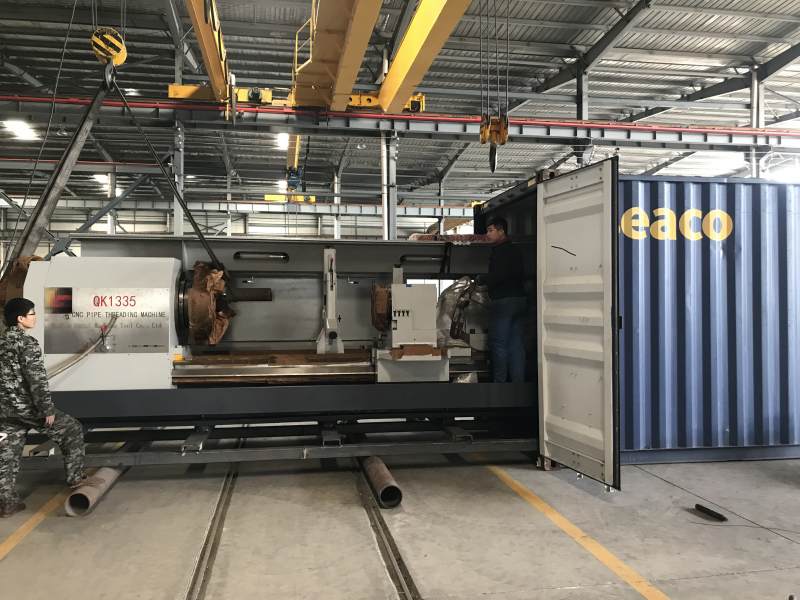
Several practical types of Slant Bed CNC Lathe are available, and each can suit a different purchasing plan. A basic two-axis turning model is commonly used for outside diameter turning, facing, grooving, and threading. A model with driven tooling can combine turning with selected milling operations, reducing the number of setups for parts with cross-holes or milled surfaces. Buyers may also compare machines by spindle arrangement, automatic bar-feeding compatibility, turret configuration, and tailstock design. A CNC inclined bed lathe is another common term for this machine family. MAKCNC also supplies CNC machining centers for buyers whose primary need is milling rather than turning. Reviewing the process route first helps prevent the purchase of a machine with unnecessary functions or insufficient working capability.
Common Machine Categories
- Two-axis turning machines for standard shaft and disc work.
- Turret machines for repeated tool changes and varied turning cycles.
- Driven-tool models for combined turning and selected milling work.
- Customized CNC machines for special workholding, automation, or process requirements.
Features of Slant Bed CNC Lathe
The main features of a Slant Bed CNC Lathe stem from its inclined structure and coordinated control system. The sloped bed can improve chip discharge, while a strong cast-iron structure supports rigidity during cutting. MAKCNC commonly uses high-strength cast iron, including resin-sand castings, with aging treatment intended to help maintain long-term accuracy and rigidity. Core transmission parts such as screws and guideways are commonly selected from high-precision Taiwanese or German brands. The value lies not only in the individual components. Bed structure, guideways, spindle, tool turret, control system, and cutting parameters must work together. In practical machine evaluation, system matching often has a greater effect on results than a single premium component.
Design Benefits for Buyers
- Inclined geometry can assist chip removal from the cutting area.
- High-strength castings support machine rigidity during turning work.
- High-precision guideways and screws support controlled axis movement.
- Tool and control coordination can help reduce visible machining marks.
- One setup may support several faces on suitable small-batch parts.
Why the Slant Bed Design Matters for Precision Work
The slant bed design is more than a visual difference from a flat-bed machine. It changes the relationship between the cutting zone, workpiece, chips, operator, and machine structure. For mold-related work, the control system may include intelligent feedforward and over-quadrant jump compensation. These functions are intended to address common issues such as overcut marks, quadrant marks, and chatter patterns. The result still depends on tooling, workholding, material, programming, and machine setup. Buyers should request a process review rather than judging a model by appearance alone. The table below provides a practical comparison between a slant bed concept and a conventional flat-bed arrangement.
| Comparison point | Slant bed arrangement | Flat bed arrangement |
|---|---|---|
| Chip movement | The inclined surface can help chips move away from the cutting zone. | Chips may remain on horizontal surfaces and require more cleaning attention. |
| Rigidity planning | The structure is commonly selected for stable turning and tool access. | Performance depends strongly on bed structure, guideway layout, and machine build. |
| Production use | Well suited to repeated turning and parts requiring efficient chip handling. | Can suit general turning work where layout and process demands are simpler. |
| Buyer evaluation | Review workpiece range, turret, spindle, control, and chip-handling needs. | Review the same process factors before comparing purchase price. |
For a purchasing manager, the practical definition is straightforward: a Slant Bed CNC Lathe combines computer-controlled turning with an inclined machine bed. The design can support cleaner chip flow and stable production planning, but it does not replace sound process engineering. A supplier should explain how the proposed configuration matches the part drawing, material, tooling plan, and expected batch pattern. This approach leads to a better decision than selecting a machine simply because its brochure lists more functions. It also gives the engineering team a clear basis for acceptance testing and operator training after delivery.
Slant Bed CNC Lathe Applications
A Slant Bed CNC Lathe is used for many turning applications where repeatability, chip management, and setup efficiency are important. Typical work includes shafts, bushings, flanges, pins, sleeves, threaded components, and other rotational parts. Mold manufacturers may use suitable machine configurations for precision inserts or related components, particularly when control functions help address overcut marks, quadrant marks, or chatter patterns. Small-batch manufacturers can benefit from completing multiple faces in one setup when the workholding and tool arrangement allow it. Automotive components, hydraulic parts, industrial fittings, and general engineering products may also be suitable, but the machine must be matched to the actual drawing and process route.

Application Planning Questions
- What are the largest and smallest workpiece dimensions?
- Which materials will be turned most often?
- Does the part require threading, boring, grooving, or cross-milling?
- Can several faces be completed in one setup?
- Will the buyer need bar feeding, special chucking, or customized tooling?
For buyers comparing a turning machine with a milling solution, process definition should come first. A CNC machining center is more suitable when the primary requirement is multi-axis milling, pocketing, drilling, or face machining on prismatic parts. MAKCNC offers a professional CNC machining center solution for that type of production. A turning buyer may instead review the CNC inclined bed lathe range. Clear part information allows the supplier to recommend the correct machine category instead of forcing one machine type into every application.
Slant Bed CNC Lathe Price Factors
The price of a Slant Bed CNC Lathe varies according to configuration, control system, spindle arrangement, tooling, workholding, automation, inspection requirements, and customization. A standard machine for common turning work will usually have a different commercial offer from a model with driven tools, special fixtures, bar feeding, or an integrated loading system. Shipping terms, installation scope, training, spare parts, and after-sales service also affect the total purchasing budget. Buyers should request a quotation that separates the machine, optional equipment, commissioning, packaging, transport, and service items. This makes supplier comparisons fairer and reduces the risk of selecting a low initial price that later increases through unlisted additions.
MAKCNC does not impose a hard minimum order quantity, so a single machine can be purchased. Buyers ordering several machines may receive more favorable commercial terms for price, delivery, or after-sales service. Normal delivery planning is approximately 1 to 6 months, depending on the selected model, production schedule, customization, and order details. MAKCNC was established in 2016 and maintains multiple production lines as well as stock of sample machines. These resources can help with project planning, although the final delivery date should always be confirmed in the quotation and purchase agreement.
Slant Bed CNC Lathe User Guide
Before operating a Slant Bed CNC Lathe, the user should confirm the workholding method, tool offsets, program origin, spindle direction, coolant arrangement, and clearance around the workpiece. The machine should be installed on a suitable foundation with the required electrical, air, coolant, and chip-removal provisions confirmed in advance. Operators should check that the chuck or fixture is secure and that the toolpath has been reviewed before automatic cutting begins. Trial runs at reduced cutting conditions can help reveal offset or collision risks. A clear inspection plan is also needed, especially for parts with tight dimensional requirements or several operations completed in one setup.
Operating and Maintenance Tips
- Clean chips from the bed, chuck area, and guards according to the plant schedule.
- Check lubrication, coolant condition, and visible guideway areas before production.
- Confirm tool wear and offsets when surface quality or dimensions begin to change.
- Use the approved program and verify workholding before each new part batch.
- Record alarms, maintenance actions, and inspection results for service communication.
Training should cover programming, tool measurement, safe setup, alarm handling, cleaning, and first-piece inspection. The slant bed should not be treated as a substitute for maintenance discipline. Chips, poor workholding, worn tools, and incorrect offsets can affect results on any turning machine. MAKCNC’s technical team can review the intended process and help define a suitable configuration before shipment. For complex projects, buyers may also consider customized CNC machines when standard tooling or workholding cannot support the required part sequence.
Slant Bed CNC Lathe Supplier
Choosing a Slant Bed CNC Lathe supplier requires more than comparing a machine photograph and a headline price. Buyers should review manufacturing experience, engineering communication, component selection, delivery planning, commissioning support, warranty terms, and long-term service access. MAKCNC was founded in 2016 and operates multiple production lines with sample machines in stock. Its machine construction commonly uses high-strength cast iron, aging treatment, and high-precision transmission components from Taiwanese or German brands. The company provides CNC lathing machines, CNC machining centers, and CNC machines for different production needs. Our technical team can assess drawings, part materials, setup requirements, and batch plans before recommending a machine.
Standard warranty is normally 12 months after whole-machine acceptance, with lifetime paid service available afterward. Some tender projects may require a longer arrangement, such as three years of free warranty, and those terms should be confirmed in the contract. A mature service network commonly responds within 8 hours and reaches the site within 48 hours for fault handling, subject to location and service conditions. Buyers should request the exact service commitment for their destination. You can review about MAKCNC to learn more about the company and its product scope before requesting a quotation.
FAQ of Slant Bed CNC Lathe
Is a Slant Bed CNC Lathe suitable for small-batch production?
Yes, a Slant Bed CNC Lathe can suit small-batch work when its chuck, turret, control system, and tooling match the part requirements. The inclined structure may help with chip removal, while suitable programming can support several operations in one setup. This can be useful for manufacturers producing many part variants in limited quantities. The machine should still be selected based on the actual drawings, materials, tolerance needs, and inspection method. A supplier may recommend special fixtures or tooling if frequent changeovers are expected. For one-off or prototype parts, buyers should also compare setup time, programming effort, and the value of flexible workholding before placing an order.
What causes quadrant marks or chatter patterns during turning?
Quadrant marks and chatter patterns can result from several factors, including tool condition, cutting parameters, workholding, machine rigidity, programming, and axis motion behavior. For mold-related precision work, MAKCNC systems may integrate intelligent feedforward and over-quadrant jump compensation to help address overcut marks, quadrant marks, and chatter patterns. These functions do not guarantee a perfect surface because the complete process still matters. Engineers should check the tool, fixture, program, material, and machine condition together. A supplier should be able to discuss the proposed control functions and explain how acceptance testing will verify the required result.
Can one machine complete multiple faces in one setup?
In suitable applications, a Slant Bed CNC Lathe can complete multiple faces in one setup when the part, workholding, turret, tooling, and control functions support that sequence. Reducing setups can lower handling time and reduce the chance of repeated alignment errors. It does not mean every part can be completed without a second operation. Parts with complex cross-features, special angles, or separate milling requirements may need a driven-tool turning model or a machining center. Submit the part drawing, material, annual volume, and process route to the supplier so the proposed configuration can be checked before purchase.
What warranty and service can a buyer expect?
MAKCNC normally provides a 12-month whole-machine warranty after acceptance and lifetime paid service afterward. Some tender projects request three years of free warranty, so buyers should identify that requirement before quotation. Service response may commonly be arranged within 8 hours, with site arrival within 48 hours for fault handling, depending on location and the agreed service network. Installation, training, spare parts, remote support, and travel costs should be listed clearly in the contract. If you are looking for a Slant Bed CNC Lathe supplier, contact MAKCNC for the latest quotation and project-specific service terms.
About MAKCNC
MAKCNC supplies CNC lathing machines, CNC machining centers, and CNC machines for industrial buyers, distributors, engineering teams, and production managers. Since its establishment in 2016, the company has developed multiple production lines and maintains sample machine inventory for selected projects. Our technical team focuses on matching cast-iron structure, guideways, screws, control functions, tooling, and workholding to the customer’s process. We support single-machine purchases without a hard minimum order quantity, while multi-machine orders may receive improved commercial terms. If you need a Slant Bed CNC Lathe supplier, send your part details and production requirements to MAKCNC to obtain the latest product quotation.