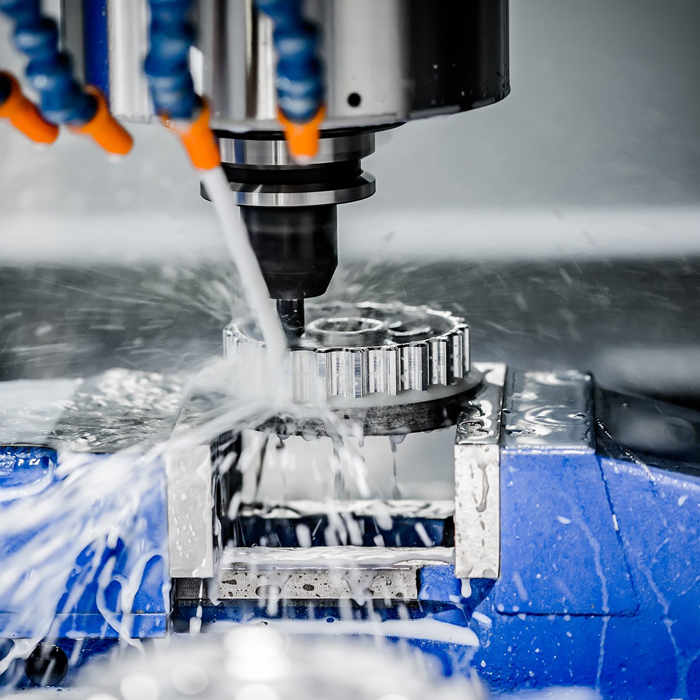
CNC Turning Machine Complete Guide for Industrial Buyers
What is a CNC Turning Machine?
A CNC Turning Machine is a computer-controlled machine tool that rotates a workpiece while a cutting tool removes material to produce round, tapered, threaded, or grooved parts. “CNC” stands for computer numerical control, meaning programmed instructions govern tool movement, spindle operation, and machining sequences. For B2B buyers, its main value is repeatable production with less manual intervention and more consistent process control. The right machine can handle parts made from common engineering materials while helping reduce setup variation between batches. Selection should be based on part geometry, material, finish requirements, production volume, available floor space, and operator capability. Buyers should assess the full machine configuration rather than relying on a single headline specification.
Types of CNC Turning Machine
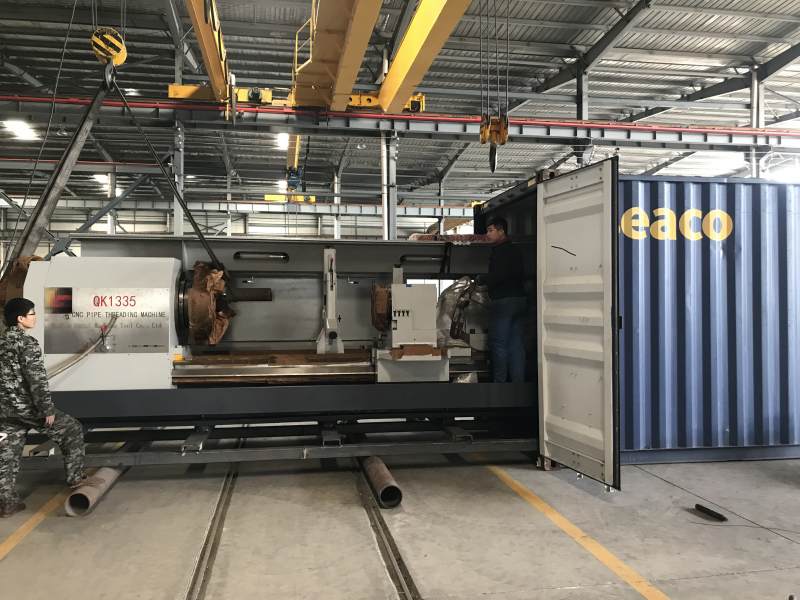
A CNC Turning Machine is available in several forms, each suited to different production requirements. A standard CNC lathe is commonly used for general turning, facing, boring, threading, and grooving. An inclined-bed lathe uses an angled bed design that can improve chip evacuation and access around the work area. Turning centers may combine turning with additional machining operations, depending on the selected configuration. When parts require machining on more than one face, a machining center can be used alongside a turning machine to divide work between the appropriate processes. MAKCNC also supplies CNC machining centers, including vertical and horizontal configurations. This broader product range can help factories compare turning and milling requirements through one supplier.
Common Selection Categories
- Standard CNC lathe: suited to routine cylindrical part production.
- Inclined-bed lathe: suitable when the production plan benefits from an inclined machine structure.
- Turning center: appropriate when the required configuration includes several machining operations.
- Turning and milling combination: useful when a production line needs both rotational and multi-face machining.
Features of a CNC Turning Machine
The main features of a CNC Turning Machine should be evaluated as a complete system. Machine rigidity starts with the frame and casting. MAKCNC machines commonly use high-strength cast iron, including resin-sand castings, with aging treatment to help maintain long-term accuracy and rigidity. Core transmission components, including screws and guideways, commonly use high-precision parts from Taiwanese or German brands. The control system is equally important. For mold-related precision work, advanced system integration may include intelligent feedforward and over-quadrant jump compensation. These functions are intended to address overcut marks, quadrant marks, and chatter patterns. Buyers should ask how the casting, guideways, spindle, control system, lubrication, and software function together.
| Feature area | What buyers should review | Why it affects purchasing |
|---|---|---|
| Machine structure | High-strength cast iron and aging treatment | Supports rigidity and long-term accuracy |
| Transmission | Screws and guideways from established Taiwanese or German brands | Influences motion quality and service planning |
| Control functions | Feedforward and over-quadrant compensation | Helps reduce visible machining marks |
| Process layout | Potential for one clamping operation on multiple faces | Can reduce repeated setup work for varied small batches |
The Angle and Intent of a CNC Turning Machine Definition
A CNC Turning Machine definition should reflect the buyer’s decision-making intent. A basic definition explains what the equipment does, while a purchasing-focused definition also shows how it fits a production plan, service model, and quality target. This distinction matters because two machines may both be described as CNC lathes while offering different structures, control functions, component brands, and delivery arrangements. Use the comparison below when preparing a technical brief for management, engineering, or procurement. It keeps the discussion focused on operational needs rather than isolated specifications.
| Buyer angle | Definition intent | Questions to ask |
|---|---|---|
| Production | Understand how the machine supports repeatable turning work | What parts will be produced and in what batch pattern? |
| Accuracy | Understand how structure, transmission, and control work together | How are casting treatment and compensation functions configured? |
| Flexibility | Understand whether the machine suits varied small-batch work | Can one clamping operation cover multiple faces where required? |
| Ownership | Understand delivery, warranty, and service responsibility | What support is available after acceptance? |
CNC Turning Machine Applications
A CNC Turning Machine is used for parts that require controlled rotational cutting. Typical applications include shafts, sleeves, bushings, threaded components, flanges, and other cylindrical workpieces. The machine can also support mold-related work where surface marks and contour transitions require careful control. For manufacturers handling many product varieties in small batches, completing multiple faces after one clamping can reduce handling between operations. This can be useful for mold components, mechanical parts, and made-to-order industrial products. Buyers should prepare sample drawings before requesting a proposal. Include material information, part dimensions, tolerances, surface requirements, annual demand, and the expected number of setups. These details give the supplier a practical basis for recommending a suitable configuration.
Related Equipment for Mixed Machining
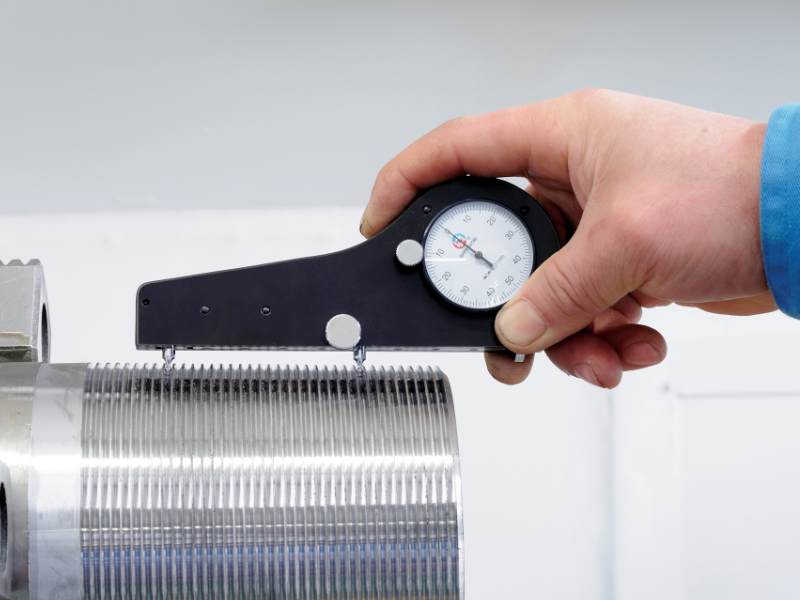
Some factories need more than rotational machining. When a part requires holes, pockets, or several flat surfaces, a CNC machining center may be used alongside the turning line. MAKCNC offers a professional machining center solution for buyers comparing vertical and horizontal arrangements. A vertical machining center can suit many general milling tasks, while a horizontal configuration may be considered for a different part-loading and access plan. The right combination depends on the drawing and process route. It is better to define the complete sequence first, then select the equipment. This approach helps prevent the purchase of a machine that performs one operation well but creates additional handling elsewhere.
CNC Turning Machine Price Factors
The price of a CNC Turning Machine varies according to configuration, control system, machine structure, component brands, automation level, tooling package, inspection requirements, delivery terms, and after-sales support. A low initial quotation may not represent the lowest total cost of ownership if key accessories, installation support, training, or service travel are excluded. Request an itemized offer that separates the base machine from optional equipment. Also confirm whether the quotation includes testing, packing, commissioning guidance, and acceptance support. Delivery planning should be discussed early. MAKCNC states a usual delivery range of 1 to 6 months, depending on the order and production arrangement. There is no hard minimum order quantity, so a single machine can be purchased, while multiple units may receive better commercial terms for price, delivery, or after-sales service.
Questions to Include in a Quotation Request
- Which machine configuration matches the submitted part drawings?
- Which control, guideway, and screw brands are included?
- Are tooling, workholding, inspection, and chip-handling items included?
- What is the expected delivery period within the stated 1 to 6 month range?
- What acceptance procedure will be used after installation?
- Which warranty and service terms apply to the project?
CNC Turning Machine User Guide
Before operating a CNC Turning Machine, confirm that the foundation, power supply, air supply, coolant arrangement, and work area meet the supplier’s installation instructions. Check that the workholding device is secure and that the tool offsets match the approved program. Operators should inspect the first part carefully rather than assuming a transferred program is ready for production. During the first run, review tool wear, chip condition, surface marks, and dimensional results. Keep the guideways, enclosure, coolant system, and chip area clean according to the maintenance plan. For mold work, watch for overcut marks, quadrant marks, and chatter patterns, as these may indicate a need to adjust tooling, cutting conditions, or compensation settings. MAKCNC can discuss installation and application requirements before shipment.
Practical Operating Sequence
- Review the part drawing, material, tolerance, and process route.
- Confirm the workholding method and check the machine setup.
- Load the approved program and verify tool offsets.
- Run a controlled first piece and inspect the result.
- Record process findings for repeat production and maintenance.
CNC Turning Machine Supplier
MAKCNC has operated since 2016 and manages multiple production lines with machine samples in stock. Our ISO9001-certified facility supports buyers looking for CNC machines, CNC lathing machines, and machining centers for industrial use. We focus on the relationship between casting, aging treatment, transmission components, guideways, spindle performance, and control functions rather than presenting each item as a separate sales point. Our technical team can review part drawings, production quantities, required setups, and delivery expectations before preparing a quotation. Buyers may also review the MAKCNC company profile and available global machinery cases when assessing supplier experience.
Our usual warranty is 12 months after complete machine acceptance, with lifelong paid service available after the warranty period. Some tender projects require three years of free warranty, and those terms can be discussed during the contract stage. A mature service network normally responds within 8 hours and reaches the site within 48 hours when on-site fault handling is required. These service points should be written into the purchase agreement so both parties understand the response process. If you are looking for a CNC Turning Machine supplier, please contact MAKCNC for the latest quotation and a configuration matched to your production needs.
FAQ of CNC Turning Machine
What does a CNC Turning Machine do?
A CNC Turning Machine rotates a workpiece and moves cutting tools according to a programmed sequence. It is commonly used to produce round, tapered, threaded, bored, and grooved features. The machine can support repeat production because the same program and setup method may be applied to later parts after the process has been verified. Results still depend on correct workholding, tooling, cutting conditions, machine condition, and inspection. Buyers should provide drawings and material details when requesting a recommendation. This allows the supplier to discuss a suitable machine structure and control functions instead of giving a general answer based only on the product name.
Is one machine available for a small order?
Yes. MAKCNC has no hard minimum order quantity, and a single machine can be purchased. This option can suit a first production line, replacement machine, sample workshop, or a buyer testing a new process. Multiple-machine purchases may receive better commercial terms for price, delivery, or after-sales service. The final offer depends on the selected configuration, project requirements, and order quantity. Buyers should also consider installation space, operator training, tooling, power requirements, and spare parts when planning a single-machine purchase. A clear technical request helps the supplier prepare a useful quotation for both one-unit and batch procurement.
How long is the usual delivery period?
MAKCNC normally works with a delivery period of 1 to 6 months. The actual schedule depends on the machine model, configuration, production plan, inspection requirements, and order arrangement. A standard machine or available sample may follow a different schedule from a customized system. Buyers should confirm the estimated date in the quotation and identify which events control delivery, such as drawing approval, deposit receipt, factory testing, or final acceptance. If the project has a fixed installation date, provide that date at the beginning of the inquiry. Early communication gives the supplier more time to review production and shipping arrangements.
What warranty and service support are available?
The usual warranty is 12 months after complete machine acceptance, followed by lifelong paid service. Some tender projects request three years of free warranty, so the required term should be stated before the quotation is finalized. Service planning should also cover response time, spare parts, remote support, and on-site assistance. A mature service network normally promises a response within 8 hours and arrival at the site within 48 hours for fault handling. These terms may depend on location and contract conditions. Ask the supplier to provide the applicable service terms in writing with the commercial offer.
Choose MAKCNC for Your CNC Turning Machine Project
Choosing a CNC Turning Machine is a production decision, not simply a machine purchase. Review the part drawings, machine structure, transmission components, control functions, delivery plan, warranty, and service route together. MAKCNC has supplied CNC lathing machines, CNC machining centers, and CNC machines since 2016, with multiple production lines and sample inventory. Our technical team can help compare a standard lathe, an inclined-bed option, or a broader machining solution based on your process. Contact MAKCNC today for the latest quotation and a practical proposal for your factory.
For buyers comparing machine options, see the CNC inclined-bed lathe and review customized CNC machines when your process requires a special arrangement.