CNC Machine Tools Tool Life Monitoring Strategies
What is CNC Machine Tools?
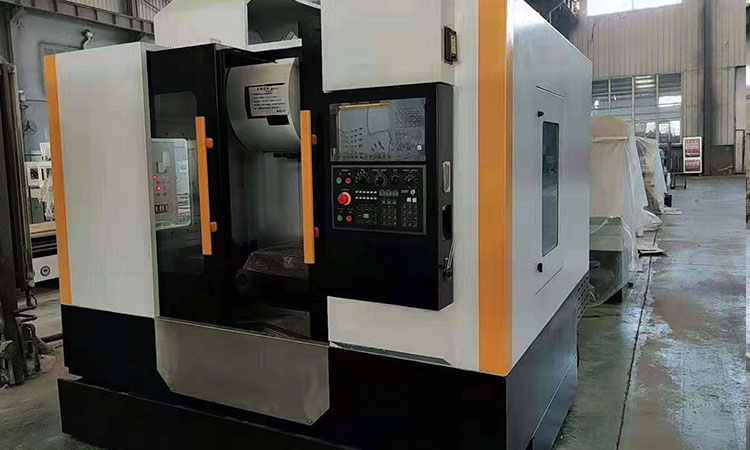
CNC Machine Tools are computer-controlled production machines that remove material from a workpiece through programmed cutting operations. This category includes CNC lathes, vertical machining centers, horizontal machining centers, and gantry processing equipment. The controller coordinates spindle speed, feed rate, axis movement, coolant delivery, and tool changes according to the machining program. Tool life monitoring adds another layer of control by tracking how long a cutting insert, drill, end mill, or boring bar has been used and how its condition changes during production. The goal is not simply to run a tool for the longest possible time. It is to replace it before surface finish, dimensional accuracy, or process stability moves outside the required limit.
Types of CNC Machine Tools
Turning and CNC Lathing Machines
Turning equipment holds the workpiece in a chuck or collet while the cutting tool moves along the outside diameter, inside diameter, face, or thread. A CNC lathing machine is well suited to shafts, bushings, flanges, pipe components, and oilfield parts. Tool life is often influenced by insert grade, interrupted cuts, workpiece hardness, chip control, and the number of passes required. For buyers machining bar stock or repeat batches, a turret with automatic indexing helps make tool replacement more predictable. MAKCNC supplies a high quality and durable cnc lathe range for factories that need repeatable turning cycles and practical access to tool stations.
Vertical and Horizontal Machining Centers
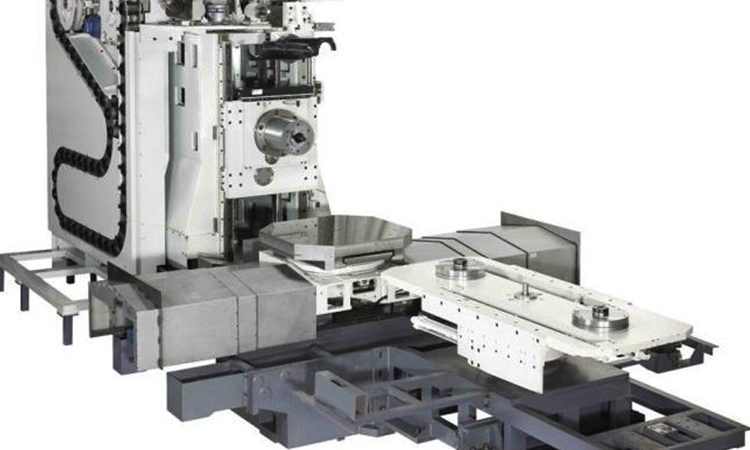
Vertical machining centers provide direct access to the workpiece from above and are widely used for plates, molds, housings, brackets, and medium-size structural parts. Models such as the MV970, MV1160, MV1270, and MV1380 can be matched to different work envelope and production requirements. Horizontal machining centers are particularly useful when multiple faces must be machined with fewer re-fixturing operations. Their pallet systems and chip evacuation arrangements can support longer unattended cycles. Buyers comparing horizontal cnc machining center layouts should review spindle power, pallet size, travel, tool magazine capacity, and maintenance access.
Gantry and Heavy-Duty Processing Equipment
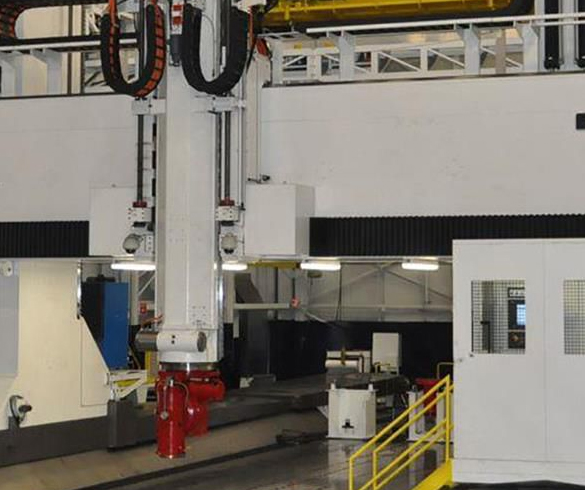
Gantry processing machines handle large plates, welded structures, dies, molds, and heavy components that exceed the work envelope of standard vertical equipment. Heavy-duty cutting lathes and CNC oilfield lathes are designed for large diameters, long workpieces, or demanding materials such as alloy steel. These machines can experience high cutting forces and extended cycle times, so tool monitoring should cover spindle load, vibration, insert failure, and coolant condition. A tool that appears acceptable after a short cut may no longer be suitable after a 40-minute heavy roughing pass. The monitoring method must suit the machine size, material, cutting force, and production schedule.
Features of CNC Machine Tools Tool Life Monitoring
CNC Tooling Systems and Tool Identification
Modern CNC tooling systems can combine tool presetters, tool offset tables, RFID or barcode identification, automatic tool changers, and machining software. Each tool position should have a clear identity, including tool number, holder type, insert grade, diameter, measured length, offset values, and permitted cutting time. For example, a 16 mm carbide end mill may have a target life of 42 minutes in an aluminum operation but only 18 minutes in hardened steel. Recording the actual application prevents operators from applying one broad replacement rule to every material. It also helps exporters provide consistent process records to overseas customers.
CNC Tool Wear Monitoring Signals
CNC tool wear monitoring can rely on direct inspection, machine data, or a combination of both. Direct inspection includes checking flank wear width, crater wear, chipped edges, built-up edge, drill margin damage, and insert fracture. Machine-based signals include spindle load, motor current, cutting force, vibration, acoustic emission, torque, temperature, and changes in cycle time. A practical factory does not need to install every sensor at once. Start with the signal that changes most clearly when a tool becomes unsuitable. A 12% increase in spindle load, a measurable rise in burr formation, or a roughness change from Ra 1.6 µm to Ra 3.2 µm may serve as a useful replacement trigger, depending on the part specification.
Cutting Tool Management Records
Cutting tool management works best when operators record actual use instead of relying on memory. The record can include the work order, material grade, tool identification, programmed cutting parameters, number of parts completed, measured wear, inspection result, and reason for replacement. Separate normal wear from accidental damage. A tool broken in a collision should not be counted as ordinary tool life, as doing so creates an inaccurate replacement interval. For high-volume production, the database can calculate average life, minimum life, maximum life, and life variation by machine, operator, material batch, and program revision.
CNC Machine Tools Applications
Automotive and Consumer Electronics Production
Automotive components often require stable dimensions across hundreds or thousands of parts. A small change at an insert edge can affect bearing seats, sealing surfaces, or hole position. In consumer electronics, thin walls and visible surfaces make burrs, chatter, and scratches costly defects. Tool life monitoring lets production managers schedule replacement during a planned tool change instead of waiting for a failed edge to damage an entire batch. For aluminum housings, high-speed milling may demand close attention to chip evacuation and built-up edge. For cast iron or steel parts, abrasive wear and thermal load may be the main factors behind the replacement decision.
Aerospace, Energy, and Oilfield Components
Aerospace parts often use titanium, nickel alloys, or high-strength aluminum, where heat concentration and work hardening can shorten tool life. Oilfield components may involve large diameters, deep bores, heavy threading, and interrupted surfaces. The right monitoring threshold must protect both productivity and traceability. Buyers should ask whether the selected machine can record tool offsets, alarms, spindle load, tool changes, and program revisions. MAKCNC’s global CNC machinery cases can help buyers review equipment applications in different production environments before selecting a machine configuration.
CNC Production Optimization Through Tool Life Data
Build a Baseline Before Predicting Replacement
CNC production optimization should start with a stable baseline. Run the approved program using a new tool and record cycle time, spindle load, surface finish, dimensional results, chip form, and part count. Repeat the test across at least three tool changes where possible. If the first tool lasts 36 minutes, the second 41 minutes, and the third 39 minutes, a planning value of 35 minutes may be safer than using the 39-minute average. This buffer protects production from variation in material hardness, coolant concentration, workholding, and operator setup. Prediction is useful only when the underlying data reflects normal shop conditions.
Set Replacement Rules by Risk
Not every operation requires the same alarm level. A roughing tool may be replaced when spindle load rises by 20% if the remaining stock is generous. A finishing tool for a sealing face may need replacement after a smaller wear change because the surface tolerance is tighter. A useful rule set can include a warning limit, a replacement limit, and an emergency stop limit. For example, the warning may appear at 80% of planned tool life, automatic replacement may occur at 100%, and a spindle-load alarm may stop the machine immediately when a sudden overload indicates chipping or collision. Test these rules in production rather than copying them directly from a catalog.
Connect Monitoring With Maintenance and Quality
Tool data should be visible to maintenance and quality teams, not kept only in the CNC controller. A repeated tool alarm may point to poor coolant filtration, a worn spindle bearing, runout in the holder, weak workholding, or an incorrect cutting parameter. When dimensional inspection detects drift, the quality record should be compared with tool life and machine load data. This approach helps identify the real source of the problem instead of replacing tools unnecessarily. In many shops, a stable holder, accurate tool presetter measurement, and clean coolant can improve consistency as much as changing insert grades.
CNC Machine Tools Price Factors
The price of a machine with tool life monitoring depends on more than spindle power. Buyers should compare the machine structure, controller functions, tool magazine, probing options, presetting equipment, sensors, software integration, and after-sales support. A basic timer-based system may add little cost but provides limited information. A system using spindle-load monitoring, vibration sensors, automatic measurement, and factory data collection requires more hardware and commissioning time. The machine’s working range also matters: a compact vertical center for small aluminum parts has a different cost profile from a large horizontal center for palletized steel components. Request a configuration-based quotation instead of comparing headline prices alone.
Cost Questions Export Buyers Should Ask
Before placing an international order, ask which monitoring functions are included as standard, which require optional hardware, and whether the control supports metric and imperial data. Confirm electrical specifications, language options, installation requirements, spare parts availability, packing method, warranty terms, and commissioning support. Buyers should also request a list of recommended consumables, including filter elements, lubrication parts, inserts, holders, and sensors. MAKCNC can review the workpiece drawing, material, monthly volume, target cycle time, and preferred controller before preparing a suitable machine proposal.
CNC Machine Tools User Guide
How to Start a Tool Life Monitoring Program
A factory can establish a practical program in seven steps. First, list every tool used in the target process. Second, assign a unique tool number and record its geometry. Third, measure tool length and diameter with a presetter or approved measuring device. Fourth, define the cutting parameters and inspection points. Fifth, record the number of parts or minutes completed. Sixth, inspect the tool at planned intervals and compare the result with spindle load and part quality. Seventh, set a replacement limit with a safety margin. This method is simple enough for a small production team and can later be connected to a manufacturing execution system.
- Check holder runout before collecting baseline data.
- Keep coolant concentration within the cutting tool supplier’s recommended range.
- Inspect chip shape, burrs, surface finish, and dimensions at fixed intervals.
- Separate collision damage from normal tool wear in the records.
- Back up tool offset and parameter data before maintenance or controller replacement.
Daily Checks for Operators
At the beginning of each shift, operators should check tool numbers, offsets, insert seating, holder cleanliness, coolant flow, and the tool life counter. During production, unusual noise, long chips, blue discoloration, burr growth, vibration, or a change in spindle load deserves attention. Operators should not simply reset an alarm without recording what happened. If a tool is replaced early, note the reason and retain the removed tool for inspection when the cause is unclear. This small habit provides useful evidence for process engineers and helps prevent the same problem from appearing on the next shift.
CNC Machine Tools Supplier Selection
Choosing a CNC Machine Tools supplier involves more than checking machine dimensions and motor ratings. A capable supplier should understand cutting conditions, part tolerance, tool access, chip removal, coolant management, controller operation, and export documentation. MAKCNC provides CNC Lathing Machine, CNC Machining Center, and CNC Machine solutions for communication equipment, automotive components, aerospace parts, minerals, agricultural machinery, chemical equipment, petroleum, water conservancy, and geological exploration. Buyers can learn more through the about MAKCNC professional CNC lathing machine manufacturer page and discuss the right machine family for their application.
For a new line, the best machine is not always the largest or fastest model. A vertical center may be a better fit for three-axis work and moderate batch sizes, while a horizontal center may reduce handling for multi-face parts. A CNC inclined bed lathe can suit automatic turning of bar-fed components and improve chip flow around the work area. Where a standard model does not match the part, fixture, automation, or inspection plan, MAKCNC also offers customized CNC machines and machining centers from MAKCNC. Export buyers should request drawings, technical specifications, acceptance criteria, and current certification documents before final approval.
Standards and Product Documentation
International buyers commonly request CE documentation for applicable European-market equipment, an ISO 9001 quality management certificate, electrical diagrams, risk assessment materials, inspection records, and manuals. RoHS requirements may apply to certain electrical and electronic components, depending on the destination market and product scope. Verify these documents for the exact model and shipment rather than relying on a general company statement. A supplier should also explain product limitations, such as the need for special workholding on thin parts, reduced tool life in nickel alloys, or additional chip control for deep-hole operations. MAKCNC can help buyers clarify the required configuration before shipment.
FAQ of CNC Machine Tools Tool Life Monitoring
How to monitor tool life on CNC machine tools?
Start by selecting one repeatable operation and recording tool number, material, cutting speed, feed rate, depth of cut, part count, cycle time, spindle load, and inspection results. Use the CNC controller’s time or part-count function for a basic system. Add tool presetter measurements, probing, vibration sensing, or spindle-load analysis when the process requires better prediction. Inspect flank wear, edge chipping, burr formation, surface roughness, and critical dimensions at fixed intervals. Set a warning level before the replacement point. For example, if a tool normally produces 500 parts with acceptable results, schedule a warning at 400 parts and investigate any variation before extending the limit.
What causes CNC cutting tool wear?
Common causes include abrasion from hard particles, adhesion between the workpiece and tool edge, diffusion at high temperature, oxidation, excessive cutting speed, incorrect feed, excessive depth of cut, poor coolant delivery, holder runout, vibration, and interrupted cutting. Workpiece material variation also matters. A hardened spot in cast material or a different heat-treatment batch can shorten tool life without any change to the program. Tool wear can also result from poor chip evacuation, especially in deep pockets or long-bore operations. Engineers should compare wear patterns with cutting data. Uniform flank wear often suggests normal use, while sudden edge fracture may indicate impact, chatter, overhang, or an incorrect insert grade.
How can exporters improve CNC tool management?
Export-oriented factories can improve control by standardizing tool numbers, holders, insert grades, presetting procedures, replacement limits, and inspection records across all shifts. Keep a digital list of approved tools and link each tool to the correct program and workpiece material. Track tool consumption by order so quotations include realistic tooling costs. Before shipping parts, retain records showing when tools were changed and which inspection results were accepted. When purchasing machines, ask about controller compatibility, data export options, spare tool lists, and remote technical support. These practices reduce variation between production sites and make it easier to explain process control to overseas customers.
Can tool life monitoring remove all unplanned downtime?
No. Tool monitoring reduces avoidable interruptions, but it cannot prevent every failure. Collisions, sudden workholding movement, coolant pump faults, power problems, programming errors, and material defects can still stop production. Monitoring is most effective when combined with preventive maintenance, correct setup verification, operator training, and inspection of holders and fixtures. It should also include an escalation rule: a gradual load increase may trigger a planned replacement, while a sudden overload should stop the spindle and require an immediate check. Buyers should view monitoring as one part of process control, not as a substitute for sound machine operation.
Choose MAKCNC for Your CNC Machine Tools Project
If you are looking for a CNC Machine Tools supplier, contact MAKCNC for the latest quotation and a machine recommendation based on your workpiece, material, tolerance, monthly volume, and tool monitoring needs. Our product range includes CNC Lathing Machine, CNC Machining Center, vertical and horizontal machining centers, heavy-duty cutting lathes, and CNC oilfield lathes. Share your drawings and production targets with our team so we can review spindle capacity, axis travel, tooling, coolant, automation, and inspection requirements before proposing a configuration. Request a fast quote from MAKCNC and plan a more controlled machining process.
Further technical reference: Buyers can review the ISO 9001 quality management standard and general background on computer numerical control before preparing an equipment specification.