
Horizontal CNC Machine Spindle Orientation Explained
What Is a Horizontal CNC Machine
A Horizontal CNC machine is a computer-controlled machining center with a spindle positioned parallel to the shop floor. Rather than pointing downward toward the table, the spindle extends sideways and holds the cutting tool horizontally. The workpiece is secured on a table, pallet, or rotary fixture, while programmed axis movements remove material from the required surfaces. This arrangement is commonly used for deep cavities, long side walls, large housings, gearbox components, engine parts, and repeat production work. Many horizontal machining centers also include an automatic tool changer and pallet changer, allowing one workpiece to be prepared while another is still being machined. This can reduce handling between operations and help maintain consistent part positioning from one setup to the next.
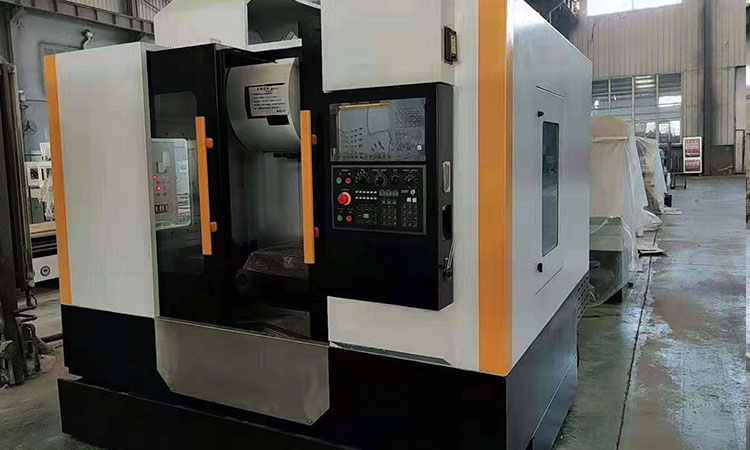
Types of Horizontal CNC Machines
Horizontal CNC machines are available in several configurations, and the right choice depends on workpiece size, material, tolerance requirements, and production volume. A standard four-axis machining center combines X, Y, and Z travel with a rotary table, making it possible to machine several faces of a part. A five-axis model adds angular movement so the cutter can reach curved surfaces and more complex features. Horizontal boring and milling machines are built for larger castings, frames, and industrial structures, while compact horizontal CNC mills are often better suited to smaller components produced in batches. Some models feature twin pallets, automatic pallet exchange, or large tool magazines for extended unattended cycles. Horizontal machining equipment can also be compared by spindle speed, table load, travel range, and control system. Before purchasing, buyers should compare the maximum workpiece envelope with the real space needed for fixtures, tools, and chip clearance.
Features of Horizontal CNC Machining
Horizontal CNC machining changes the way the cutting tool engages the workpiece. The spindle approaches from the side, offering useful access to vertical walls, cross holes, pockets, and features positioned around a housing. When the table rotates or indexes, a single setup can cover several faces that might otherwise require separate clamping operations. The horizontal spindle orientation also lets chips fall away from the cutting zone instead of collecting in the bottom of a deep pocket. When cutting conditions are properly selected, this can reduce recutting, heat buildup, and unnecessary tool wear. Buyers typically focus on spindle power, taper size, table rigidity, coolant delivery, positioning accuracy, and tool magazine capacity. Each of these factors can directly affect cycle time, surface quality, and part consistency.
How Chip Evacuation Affects Cutting
Chip control is one of the most practical advantages of a horizontal milling system. On a vertical machine, chips from a deep cavity can remain at the bottom of the pocket until coolant or air pressure clears them. The cutter may then pass through chips that have already been cut, increasing friction and potentially marking the finished surface. With a side-facing spindle, gravity helps move chips away from many open pockets and side features. A properly designed conveyor, washdown system, and coolant nozzle layout can then carry chips out of the machining area. This does not remove the need for suitable feeds, speeds, tool geometry, or chip breakers. It does provide a useful physical advantage, particularly when machining cast iron, aluminum housings, steel plates, or parts with deep internal features.
Tool Access and Part Visibility
Tool access always depends on the part shape. A CNC horizontal mill can reach side surfaces without tilting the entire workpiece or relying on excessive tool extension. Shorter tools are generally less likely to deflect, which supports better dimensional control during heavier cuts. Operator visibility at the cutting zone may differ from that of a vertical machine, making cameras, inspection probes, lighting, and program simulation valuable additions. Rotary tables and tombstone fixtures can present two, three, or four faces in sequence. This setup works well for parts such as valve bodies, pump housings, transmission cases, and manifold blocks. Buyers should still verify loading height, door opening, fixture clearance, and the distance between the spindle nose and table center. Access only adds value when the fixture design and machine work envelope support it.
Horizontal CNC Machine Applications
Horizontal machines are widely used in industries where several faces of a workpiece require accurate machining. Automotive suppliers may use them for transmission cases, differential housings, brake components, and engine blocks. Aerospace subcontractors often select this machine architecture for structural fittings and complex aluminum parts, provided the required accuracy and work envelope are available. In petroleum and energy production, horizontal equipment can machine valve bodies, pump components, flanges, and heavy steel housings. Agricultural machinery, mining equipment, chemical processing, and water conservancy projects also require large, rigid machining platforms. MAKCNC supplies CNC machine solutions for industrial buyers who need repeatable production rather than one-off manual operations. For turning operations, customers can also review the company’s cnc lathing machine range, which covers different workholding and cutting requirements.
When Horizontal Machining Equipment Fits Production
This machine architecture is a strong fit when a part has deep cavities, multiple machined faces, high material-removal demands, or a batch size large enough to justify fixture investment. A tombstone can hold several components at once, allowing the operator to load a full group before the cycle begins. Pallet exchange can keep the spindle cutting while the next workpiece is inspected or clamped outside the machining zone. That workflow can reduce idle time and limit repeated datum setting. Horizontal machining is less attractive when the work consists mainly of shallow top-facing operations, very small parts, or frequent one-piece changes without repeat fixtures. For those jobs, a vertical machining center may offer easier top access and a lower initial cost. The best decision comes from comparing the complete process, not spindle direction alone.
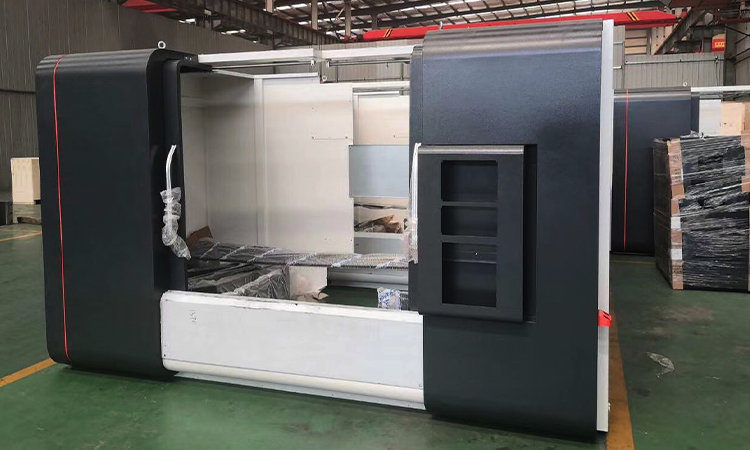
Horizontal CNC Machine Price
The price of a horizontal CNC machine varies widely because each machine is configured around the workpiece and production plan. Spindle power, table dimensions, axis travel, positioning accuracy, control brand, tool magazine capacity, rotary axis type, pallet changer, chip conveyor, and coolant options all affect the quotation. A compact machine for aluminum components can have a very different price from a heavy-duty unit designed to cut large steel castings. Installation, export packing, training, spare parts, tooling, and inspection equipment may also influence the final project budget. Buyers should request a specification-based quotation instead of comparing only the base machine price. It is helpful to provide drawings, material grades, annual output, target cycle time, tolerance requirements, and preferred automation. With that information, MAKCNC can recommend a practical configuration instead of an oversized or under-equipped model.
Horizontal CNC Machine User Guide
Safe, efficient operation starts with proper installation. The machine should be placed on a suitable concrete foundation, leveled according to the manufacturer’s instructions, and connected to stable power, compressed air, coolant, and chip-handling services. Before production begins, operators should confirm the work offset, tool length compensation, fixture clamping pressure, spindle rotation, and programmed travel limits. A dry run above the workpiece can reveal incorrect coordinates or excessive rapid movements before a collision occurs. Tools should be inspected for wear, especially when cutting hardened steel or interrupted cast surfaces. Chips must be removed with a brush, conveyor, or approved wash system rather than bare hands. Daily checks generally include lubrication level, coolant concentration, air pressure, door interlocks, and unusual spindle noise. Preventive maintenance records help protect machine accuracy and simplify service planning.
Programming and Workholding Tips
Programming for horizontal CNC machining should account for chip flow and the way the fixture supports the workpiece. Toolpaths should avoid trapping chips in enclosed corners, while coolant needs to reach the actual cutting edge rather than simply flood the table. When several faces are machined, establish a clear datum strategy and verify rotary-axis orientation before running the first component. Tombstone fixtures need enough clearance for the tool holder, probe, and chip flow on every side. Use the shortest suitable tool for each feature, but do not sacrifice necessary reach where a longer tool is required. For production batches, record proven offsets, tool life, inspection points, and replacement procedures. This turns shop-floor knowledge into a repeatable process that can be transferred reliably between shifts.
Horizontal CNC Machine Supplier
MAKCNC is a CNC machine supplier serving industrial customers who need machining and turning equipment for different materials and production conditions. The company’s product lines include vertical machining center series, horizontal machining center series, gantry processing series, heavy-duty cutting lathes, CNC oilfield lathes, and CNC lathes. Its recommended machining center and oilfield lathe products are developed for high speed, high rigidity, high performance, and efficient production across automotive, aerospace, petroleum, minerals, agricultural machinery, chemical, communication, and consumer electronics applications. Buyers can review professional cnc machining center solution options or request a machine matched to their component drawings. To learn more about the company, visit about makcnc and discuss current specifications, delivery arrangements, and quotation requirements.
Support for Custom Machine Requirements
Not every factory can work with an off-the-shelf machine layout. Oversized workpieces may require extended travel, while repeat housing production may benefit from a rotary table, pallet changer, probing system, or additional tool capacity. MAKCNC can discuss customized cnc machines and machining centers from makcnc for projects with specific loading, fixture, automation, or process requirements. A useful inquiry should include the part drawing, material, blank size, finished size, tolerance range, estimated monthly quantity, and existing shop utilities. Photos of current fixtures or sample parts can also help identify access concerns. In production planning, the machine is only one part of the overall result. Workholding, tooling, inspection, operator training, and after-sales support should all be considered before the purchase order is issued.
FAQ of Horizontal CNC Machine
What Is a Horizontal CNC Machine Used For
A horizontal CNC machine is used for milling, drilling, boring, tapping, and related operations on workpieces that require machining on multiple faces or contain deep internal features. Typical examples include engine blocks, transmission cases, pump housings, valve bodies, gearbox parts, structural castings, and large aluminum or steel components. The sideways spindle works effectively with rotary tables and tombstone fixtures, allowing several parts or several faces to be processed in one setup. This can reduce repeated clamping and improve the relationship between machined features. It is also useful in production environments where a pallet changer keeps the spindle working while another part is loaded outside the cutting area. The machine is not automatically the best choice for every application; shallow top-surface work may be simpler on a vertical center.
How Does Horizontal Spindle Orientation Improve Machining
Horizontal spindle orientation can improve machining by helping chips leave the cutting area through gravity, particularly in open pockets, side cavities, and deep features. When chips do not remain beneath the cutter, the risk of recutting and heat concentration may be reduced. The spindle can also approach vertical walls and side faces with shorter tools, which may help limit deflection during heavier cuts. With a rotary table or indexed fixture, several faces can be machined without removing the workpiece from its established datum. These benefits can support better surface finish, steadier tool life, and fewer handling steps. Results still depend on tool design, cutting data, coolant delivery, fixture stiffness, machine accuracy, and the material being cut. Spindle direction helps the process, but it does not replace sound process engineering.
Why Choose a Horizontal CNC Machine Over a Vertical Mill
Choose a horizontal CNC machine over a vertical mill when the component requires machining on several sides, contains deep pockets, produces large volumes of chips, or benefits from palletized production. A horizontal setup may reduce the number of times a workpiece is reclamped while providing better cutter access to side walls and internal passages. It is often a sensible investment for repeat housings, castings, gearbox parts, and higher-volume production components. A vertical mill may still be preferable for simple top-facing work, small batches, low fixture costs, easy operator visibility, or frequent changes between unrelated parts. The decision should account for cycle time, fixture cost, floor space, operator labor, maintenance, and expected annual output. Request a sample process review before selecting the machine architecture.
Can a Horizontal CNC Machine Replace a CNC Lathe
A horizontal machining center and a CNC lathe have different primary functions, so one does not normally replace the other. A machining center uses rotating tools to mill, drill, bore, and tap features on a stationary workpiece. A lathe rotates the workpiece while a cutting tool forms outside diameters, inside diameters, threads, tapers, and end faces. Some advanced machines combine turning and milling, but the correct choice still depends on the part geometry. A shaft with concentric diameters may be produced more efficiently on a lathe, while a valve body with cross holes and multiple flat faces may be better suited to a horizontal center. MAKCNC offers both CNC lathing machines and CNC machining centers, allowing buyers to build a process around the actual component rather than forcing every job onto one machine type.
Choose MAKCNC for Your CNC Machine Project
A horizontal CNC machine can offer industrial buyers better chip evacuation, improved side access, fewer setups, and a more organized production workflow when the part design and volume justify the investment. The right model depends on spindle capacity, axis travel, table load, fixture clearance, tooling, automation, and required accuracy. MAKCNC supports customers looking for CNC lathing machines, CNC machining centers, CNC oilfield lathes, and related CNC machine solutions for export markets. If you are looking for a reliable horizontal machining equipment supplier, contact MAKCNC for the latest product quotation. Share your drawings, materials, production volume, and preferred configuration so the team can recommend a suitable machine and a practical purchasing plan.