
What Are CNC Machines Used For
What Are CNC Machines
What are CNC machines used for is a question many manufacturing professionals ask when exploring automation. A CNC machine, short for Computer Numerical Control machine, is a tool that turns a digital design into a physical part by precisely moving cutting tools along multiple axes. Unlike manual equipment where an operator turns handwheels, CNC machines follow G‑code instructions to perform cuts, drills, and shapes with repeatability down to a few microns. At MAKCNC, we’ve built high quality and durable cnc lathe and machining centers that handle everything from one‑off prototypes to batches of 10,000 pieces. The controller reads CAD/CAM files and orchestrates spindle speed, feed rate, and tool changes, so a single setup can complete multiple operations without human intervention.
Types of CNC Machines
Shops choose from several categories depending on the shapes and volumes they produce. Vertical machining centers hold the spindle vertically; they suit flat or prismatic parts like plates, brackets, and housings. Horizontal machining centers, on the other hand, orient the spindle horizontally, making it easier to evacuate chips from deep cavities. MAKCNC’s professional cnc machining center solution includes both vertical and horizontal configurations, so a factory can mill, drill, and tap in one clamping. CNC lathes rotate the workpiece against a stationary tool, which is ideal for shafts, pipes, and round components. We also offer specialized variants such as inclined‑bed lathes and heavy‑duty oilfield lathes for long, slender workpieces. Truss manipulators can be integrated with vertical machining centers to automate loading and unloading—you can see a concrete example in our truss manipulator applied in vertical cnc machining center case. The mix of these machine types gives manufacturers the flexibility to address almost any metal‑cutting requirement.
Features of CNC Machines
Modern CNC machines bring far more than basic motion control. High‑rigidity cast iron frames absorb vibration, so heavy cuts don’t generate chatter that ruins surface finish. Linear guideways and double‑nut ballscrews deliver positioning accuracy of ±0.005 mm or better. Spindles that spin up to 12,000 rpm, sometimes higher, allow small tools to run at the correct surface speed for aluminum and brass. Automatic tool changers with 24‑ or 30‑slot magazines let a single program execute drilling, reaming, boring, and tapping without stopping. Closed‑loop servo systems monitor actual position and adjust in real time. From our experience, chip management matters just as much: integrated augers and coolant‑through‑spindle systems keep the cutting zone clear so that lights‑out cycles run reliably. These features together make CNC production processes predictable—once the program is proved, part number one and part number 10,000 will measure practically identical.
CNC Machine Applications
CNC machine applications cover a staggering range of day‑to‑day tasks. Below are ten concrete jobs these machines perform in workshops around the world.
1. Milling Flat Surfaces and Pockets
Facing the top of a block or clearing a rectangular pocket inside a housing. A face mill quickly removes material to create a flat reference surface, then an end mill finishes the walls to size. This is the starting point for almost every prismatic component.
2. Drilling Bolt‑Hole Circles
Drilling dozens of holes in a circular pattern on a flange or bearing retainer. The machine positions the drill at exact X‑Y coordinates, pecks to break chips, and cycles through the pattern without a jig. The same program handles spot drilling, pilot drilling, and reaming in sequence.
3. Tapping Threads
After drilling, a tapping head synchronizes spindle rotation and feed motion to cut internal threads. CNC tapping cycles eliminate the need for manual tap wrenches and ensure that threads are perfectly perpendicular. Materials like 304 stainless steel and titanium are tapped with rigid holders to avoid tool breakage.
4. Turning Shafts and Pins
Rotating a steel bar while a carbide insert profiles diameters, undercuts, and chamfers. A CNC lathe holds tight diametral tolerances along the entire length. This is the go‑to process for motor shafts, axles, and pump plungers.
5. Boring Precision Holes
When a hole needs an IT6 tolerance, a boring head with a fine‑adjustable tool is inserted. The machine’s interpolation capability guides the bar through the workpiece, correcting any position drift that might exist after rough drilling. Bearing seats in gearbox housings and cylinder bores in engine blocks are cut this way.
6. Engraving and Marking
Text, serial numbers, or data‑matrix codes are engraved using a small ball‑nose cutter or a spring‑loaded engraving tool. No clamps need to be changed: the same spindle that roughed the part now traces letters at high speed. This simplifies traceability in medical and aerospace components.
7. 3D Contouring of Die Molds
Continuous 3‑axis or 5‑axis motion lets the machine carve sculpted surfaces like those on injection molds or composite tooling. Tiny step‑overs produce a finish fine enough to skip hand polishing in many cases. Die shops run these programs overnight to deliver a complete cavity by morning.
8. Pipe Threading for Oilfield Parts
Specialized CNC oilfield lathes cut tapered threads on long pipes and couplings. One recent shipment—cnc pipe lathe in iran—handled 7‑meter pipes with automatic steady rests and hydraulic chucks. The process ensures API‑compliant thread forms for high‑pressure drill strings.
9. Grooving and Parting Off
Ring grooves for O‑rings, retaining rings, or parting cuts to separate a finished part from bar stock are executed with narrow carbide inserts. Feed rates and spindle speeds are tuned to produce flat, burr‑free grooves without pushing the cutter sideways.
10. Batch Repeat Production
Once a job is set up, running 500 brackets or 2,000 connector bodies takes little more than loading raw stock and pressing start. A truss manipulator, like the one shown in our application of truss manipulator in bearing production case, can keep the machine fed all night. Repeatability across the full batch is easily maintained because all coordinates are encoded in the program, not dependent on operator skill.
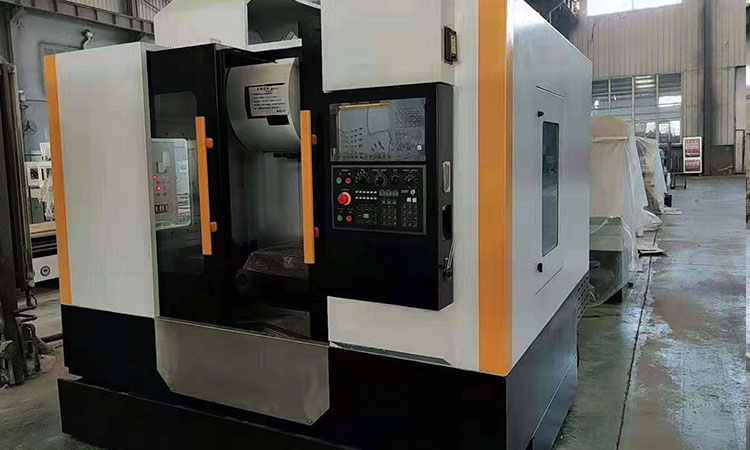
CNC Machine Price
Price tags vary widely and depend on several fixed and flexible factors. A basic 3‑axis vertical machining center might start around USD 30,000, while a large horizontal with a pallet pool and 60‑tool magazine can exceed USD 200,000. The table size, spindle power, and rapid traverse rates influence cost directly. Options like fourth‑axis rotary tables, linear scales, and through‑spindle coolant add 15% to 30% to the base price. Software‑side investments—CAD/CAM licenses, post‑processors, and simulation packages—also need budgeting. Freight and import duties can shift the number by another 10%, especially for heavy machines shipped to remote locations. MAKCNC works with buyers to configure machines that match the required precision and production rate, avoiding overspending on features that won’t be used. Real quotes come from detailed part print reviews, not generic brochures.
CNC Machine User Guide
Getting the most from a CNC machine starts before the crate is opened. A level concrete floor with a thickness of at least 200 mm is recommended to absorb vibration; we’ve seen installations where poor foundations caused resonance that affected surface finish. Anchor the machine properly and use a precision level to align the base within 0.02 mm per meter. Electrical supply must match the motor nameplate—spindle drives are sensitive to phase imbalance. Run the break‑in procedure described in the manual: cycle the spindle from low to high rpm without load for a few hours to distribute bearing grease evenly. When making first chips, start with light cuts and incrementally increase depth to verify clamping rigidity. Keep a log of tool life, coolant concentration, and way‑oil consumption. Regular checks on the automatic tool changer alignment prevent dropped tools and crashes. If a fault code appears, record the exact message before resetting; it helps support teams diagnose quickly. We always advise shops to train at least two operators so that production never stops when one person is away.
CNC Machine Supplier
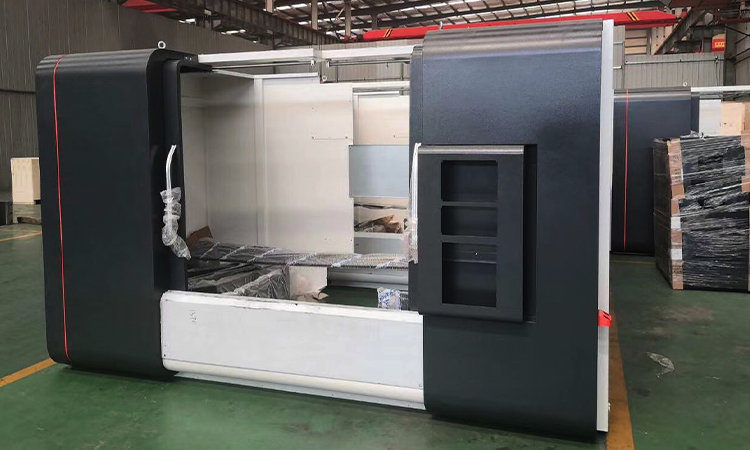
MAKCNC is a professional cnc lathing machine manufacturer with six core product lines: vertical machining centers, horizontal machining centers, gantry processing, heavy‑duty cutting lathes, CNC oilfield lathes, and standard CNC lathes. Our factory has shipped equipment to clients in Australia, Brazil, Iran, and across Asia—you can read a field case at cnc machine in austrilia. Every machine undergoes a 72‑hour continuous test run with programmed cycles before packing. Spare parts for electrical cabinets, guideways, and lubrication systems are kept in stock so that replacements ship within 72 hours. We also offer customized cnc machines and machining centers from makcnc for unusual workpieces, such as extra‑long oilfield pipes or heavy forgings. Our service engineers provide remote commissioning guidance via video call and can travel for on‑site setup anywhere in the world. If you are evaluating a CNC machine supplier, feel free to contact us for a detailed configuration proposal and the latest price list.
FAQ of CNC Machines
What products can CNC machines make?
CNC machines produce everything from miniature electronic housings to multi‑meter oilfield shafts. Common products include automotive engine parts, hydraulic valve bodies, smartphone frames, surgical implants, aerospace brackets, mold cavities, and custom fittings. The limit is more about work‑envelope size and tool geometry than any fixed list of products.
How are CNC machines used in manufacturing?
In manufacturing, CNC machines act as the core of automated production lines. They take raw castings, bars, or billets and convert them into finished components through sequential operations—milling, drilling, turning, and grinding—all programmed via CAM software. Integration with robotic loaders and conveyor belts enables continuous lights‑out manufacturing, where machines run unattended outside normal shifts.
What materials can CNC machines process?
The basics cover ferrous and non‑ferrous metals like mild steel, alloy steel, stainless steel, aluminum, brass, copper, and titanium. With appropriate tooling, CNC machines also cut engineering plastics (PEEK, nylon, PTFE), composites, wood, and even some ceramics. Harder alloys require rigid machine frames and proper coolant, but modern carbide and ceramic inserts handle up to HRC 65 hardened tool steels.
Conclusion
CNC machines bring repeatable precision to shops of every size. Whether you need a single prototype or thousands of finished parts, the right machine tool transforms raw stock into profit. If you are looking for a CNC machine supplier, please reach out to MAKCNC for the latest pricing and a tailored recommendation. We’re here to match your workshop with a machine that fits the work you do every day.