Machine Center CNC Capacity Planning Guide
Machine center CNC capacity planning starts with a single question: how many good parts can one spindle push out in a shift, a day, a year? Export manufacturers juggling tight container load dates know that guessing causes stockouts or idle iron. A well‑thought‑out capacity plan ties cycle time, setup minutes, tool life, and manning to real output numbers. This guide strips the topic down to practical factors MAKCNC customers use to forecast machine center CNC production and avoid expensive mismatches.
What Is a Machine Center CNC?
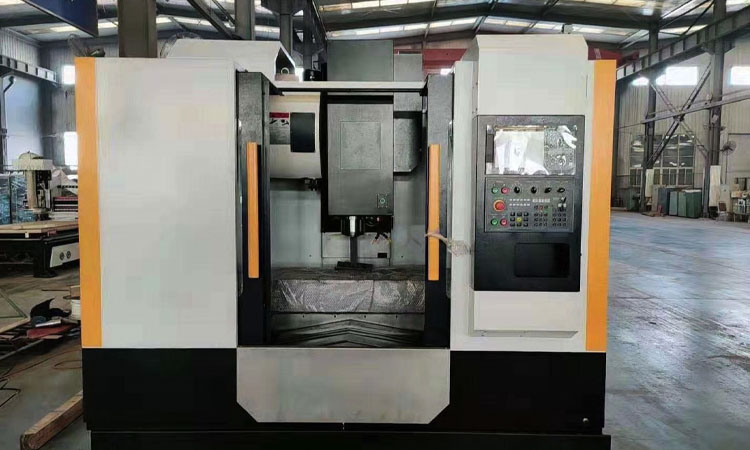
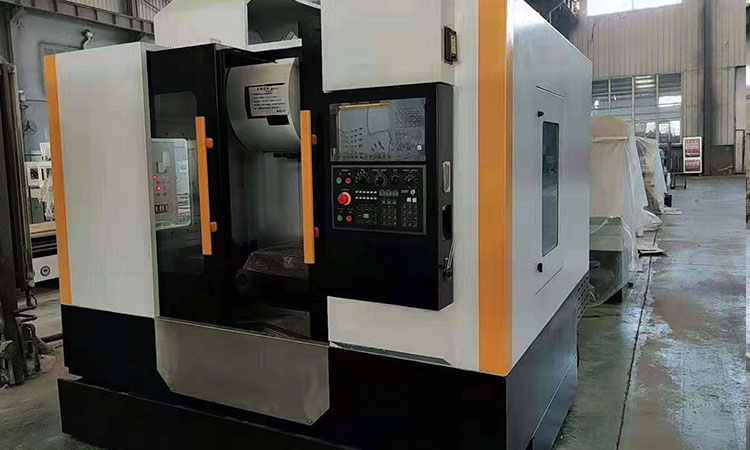
A machine center CNC is a computer‑controlled machine tool that mills, drills, taps, and bores parts in a single clamping. Unlike a manual mill, it stores tools in a magazine and swaps them automatically. The control reads G‑code and directs axes that often move at 30 m/min or faster. In capacity planning terms, one machine center CNC becomes a cell — its output is defined by cycle time, cutting hours per day, and the number of pallet changes an operator can manage. MAKCNC’s vertical and horizontal centers, such as the vertical cnc machining center mv1270, are built around linear guideways and rigid cast-iron frames. These machines hold tolerances of ±0.005 mm, which prevents rework from eating into planned output.
Types of Machine Center CNC Affecting Capacity
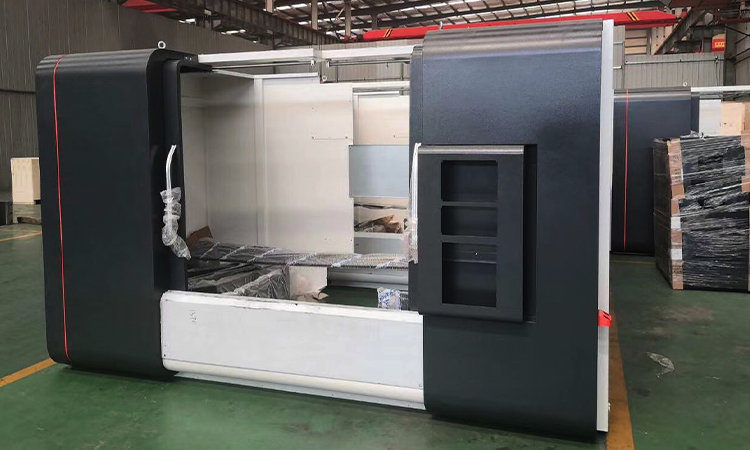
Not all machine centers strain a production schedule the same way. Vertical machining centers excel on plate work, small batches, and second‑operation jobs. Because chip fall is assisted by gravity, less time goes to chip evacuation, which raises machining center utilization on shallow parts. Horizontal machining centers, like MAKCNC’s horizontal cnc machining center, work with tombstone fixtures that hold multiple parts. One pallet cycle can finish eight castings. That geometry multiplies machine center CNC capacity per workpiece without touching spindle speed. Gantry centers handle long structural components that would need refixturing on a standard vertical, so a gantry often cuts throughput time by 40% on beams.
Features That Impact CNC Machining Center Capacity
Three numbers dominate CNC machining center capacity: rapid traverse rate, spindle torque, and tool change time. A center with 48 m/min rapids shaves non‑cutting seconds every tool path. When a part program runs 12 tools, those saved seconds compound into an extra part or two per shift. Spindle torque dictates whether you can take one heavy cut or two light passes. MAKCNC’s vertical cnc machining center mv1380 uses a 15/18.5 kW spindle motor that delivers 190 Nm of torque, enough to hog steel in a single pass. Tool change speed matters equally — chip‑to‑chip time under 2.5 seconds is typical on our belt‑drive spindle models. Real‑world shops using these centers report spindle utilization rates of 65‑80% when tool presetting is done offline.
Applications Requiring Efficient CNC Production Planning
CNC production planning shifts shape depending on the part mix. Automotive clients run families of brackets where cycle time hovers around 90 seconds and changeover happens monthly — the plan focuses on preventing tool breakage that stops a cell dead. Consumer electronics housings, seen in cnc machine in austrilia, demand 24‑hour lights‑out machining; capacity then banks on chip conveyor reliability and coolant filtration to avoid midnight alarms. Oilfield components, such as those on a cnc pipe lathe in iran, use big forgings with 45‑minute cycle times. On those heavy parts, operator coverage becomes the bottleneck — a missed load at shift change loses 45 minutes instantly. Planners who map the part spectrum from high‑mix low‑volume to dedicated mass production can lock in realistic CNC shop scheduling windows.
Machine Center CNC Price and Its Influence on Production Capacity
Price sets the ceiling for how much machine center CNC capacity a shop can buy. A base vertical center with a 1,100 mm X‑travel and a 10,000 rpm spindle might sit in the $45,000–$65,000 range, while a 5‑axis machine with a pallet pool can exceed $250,000. The cost‑capacity equation flips when you consider option value: a $5,000 chip conveyor returns its cost in six months by cutting unplanned downtime. Customized cnc machines and machining centers from makcnc let buyers spec only what they need — adding probing for in‑cycle gauging, for example, eliminates manual inspection intervals. That increases net cutting hours without buying another machine. Tariffs, steel grades, and controller brand (Fanuc versus Siemens) all nudge the final figure, but the biggest price lever remains machine rigidity, which determines depth of cut and, ultimately, parts per day.
User Guide for Maximizing Machining Center Utilization
High machining center utilization does not mean running spindles at 100% programmed feed. It means making good parts for the largest portion of available time. We have seen shops gain 12% output just by moving tool presetting offline — a presetter outside the machine lets operators swap tool assemblies in 30 seconds instead of messing with collets inside the cabin. Batch sequencing matters too; grouping similar material grades avoids wheel‑dressing or insert‑grade changes that idle the spindle. Manpower scheduling can unlock hidden capacity: one operator can tend two vertical centers if the cycle time exceeds 6 minutes and the machines sit within arm’s reach. Installing an truss manipulator applied in vertical cnc machining center takes automation further, dropping load‑unload time to 4 seconds on small parts. Those seconds accumulate into extra shifts every week.
MAKCNC as a Reliable Machine Center CNC Supplier
About makcnc, professional cnc lathing machine manufacturer — but that label only tells part of the story. We design and build machine center CNC equipment that fits the order pipeline you already have, not the one a brochure imagines. Our vertical centers from MV970 to MV1380, horizontal centers, and gantry series have walked into workshops from Brazil to Australia. A recent cnc pipe lathing to brazil project demonstrated how we match the machine envelope to the customer’s actual part basket, avoiding oversized purchases that waste floor space and capital. Every center leaves our plant after ballbar and cutting tests that we share with the buyer. When you need a high quality and durable cnc lathe or a machining center to nail your CNC production planning, our application engineers will work through your part prints and volumes before quoting. If you are searching for a machining center supplier, contact MAKCNC to get the latest pricing and a capacity analysis based on your real components.
FAQ of Machine Center CNC Capacity
How to calculate machine center CNC capacity?
Start with available time: a single shift gives 480 minutes, minus 30 minutes for breaks and cleanup, leaves 450 minutes. Divide that by the total part cycle time, which includes cutting, tool change, rapid moves, and loading. Example: a cycle time of 7.5 minutes yields 60 parts per shift per machine. Multiply by number of shifts and workdays to get monthly output. Deduct historical downtime — a stable shop with preventive maintenance might lose 8% capacity. This simple formula anchors CNC shop scheduling.
What affects CNC production capacity practically?
Part complexity, material machinability, and machine condition. A nickel alloy can take three times the cutting time of 6061 aluminum. Tooling libraries that run out of a specific carbide grade midway through a batch force interruptions. Coolant concentration drift can cause thermal growth that scrap parts. Even air pressure — most ATC systems need stable 6 bar — influences chip‑to‑chip time. On the people side, a trained operator who pre‑stages raw material inside the work envelope gains 25 minutes a day over one who walks to a rack for every blank.
How to improve CNC machining center utilization without buying more machines?
Move setup activities outside the machine: preset tools, prepare fixtures on a bench, and use zero‑point clamping. Schedule longer‑running jobs for night shifts and keep high‑mix work in the day when engineers are present. Track OEE (Overall Equipment Effectiveness) with simple hour counters — once shops see that they are losing 11% to minor stoppages, they fix the real root causes. MAKCNC’s customers often raise utilization from 60% to 75% within a quarter by applying these measures.