Mega Machining from CAD to Export Parts
What is Mega Machining?
Mega machining is the coordinated production of large, complex, or high-volume custom metal parts that starts from detailed CAD files and extends all the way through engineering review, manufacturing, quality inspection, and export preparation. It's not a single machine or process. Think of a ship’s propeller shaft that weighs 12 tons, a 4-meter-long mining drill housing, or a batch of 500 precision flanges for an oilfield pipeline in Brazil. Mega machining ties together big work envelopes, heavy cutting capacity, and the logistics muscle to deliver ready-to-install components to a port on a different continent. In our experience, buyers who depend on this workflow care about three things above all else: dimensional accuracy (often within 0.01 mm on critical diameters), on-time delivery despite ocean freight schedules, and full documentation packages that make customs clearance smooth.
Types of Mega Machining Processes
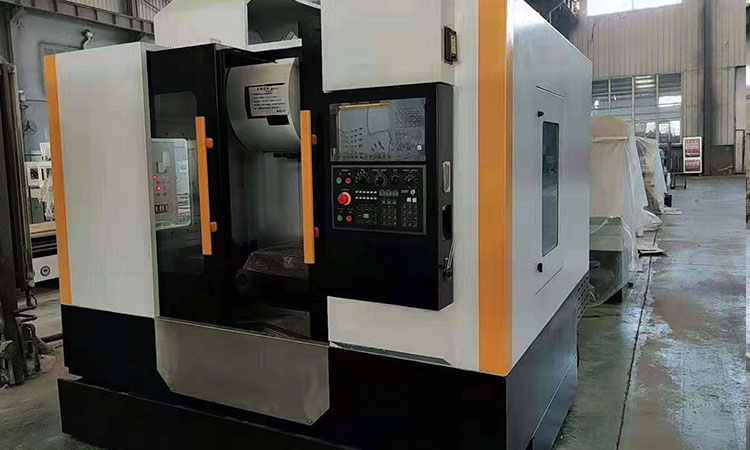
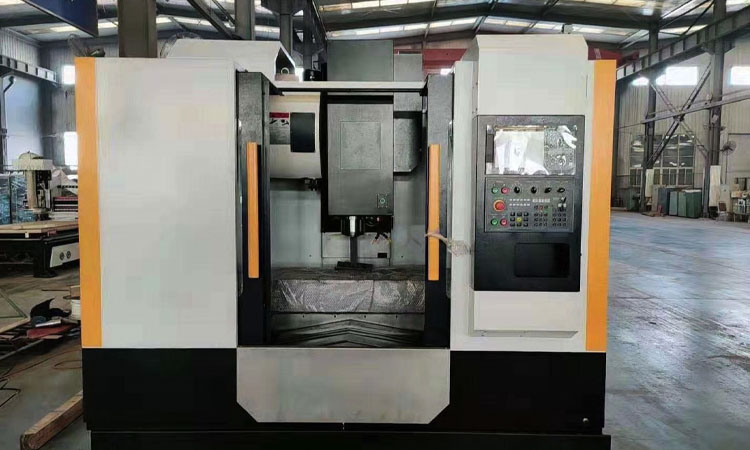
Mega machining projects rarely fall into one neat bucket. They tend to blend several operations, and the supplier must own or coordinate them all under one roof. The typical starting point is very large turning. This involves horizontal lathes with beds stretching 8 meters or more, capable of swinging parts over 3 meters in diameter. When the part geometry calls for milling pockets, drilling bolt circles, or boring precise holes on multiple faces, the work often moves to a heavy-duty vertical or horizontal machining center. For example, a vertical and horizontal cnc machine center like our MV1270 or MV1380 can handle a 2-ton valve body and mill sealing surfaces on five sides in a single setup. We've also seen increasing demand for contract machining that merges turning and milling on one multi-axis platform, which slashes setup time and improves concentricity. Beyond chip-cutting, mega machining regularly includes deep-hole drilling for oilfield spools, gear hobbing for large transmissions, and in some cases robotic welding of base frames before finish machining.
Features of Mega Machining
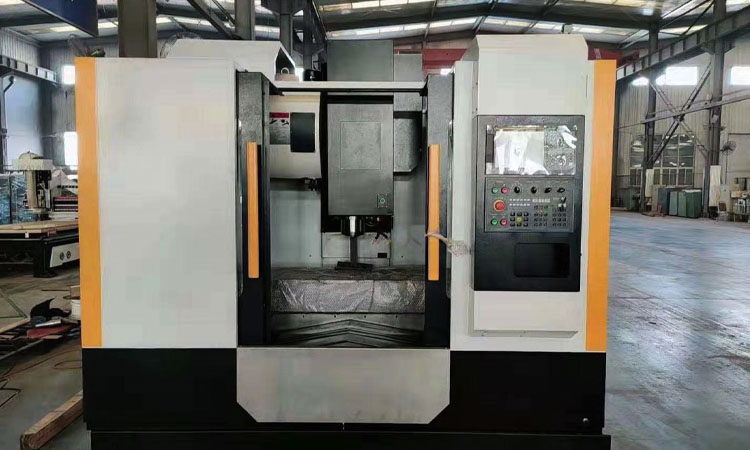
The first feature that stands out is envelope capacity. A 4-meter travel, 10-ton table load, and 40 kW spindle power aren't "nice to have" — they're the entry ticket. But scale alone isn't enough. Modern mega machining combines that brute capacity with micron-level feedback from linear scales and temperature compensation. This keeps a flange face flat within 0.02 mm even after 8 hours of heavy cutting. We often integrate turn-mill centers and large horizontal boring mills with probing cycles that verify critical features before the part ever leaves the fixture. That in-process inspection prevents a 5-ton housing from being scrapped at final CMM check. Another feature buyers appreciate is the infrastructure around the machine tool: overhead cranes with 20-ton lifting capacity, wide foundation pads to absorb vibration, and coolant systems that can handle 1200 liters per minute to keep a large drill tip cool. When you put all that together, a high-quality high quality and durable cnc lathe or machining center becomes a production cell that outputs finished parts, not just rough blanks. And from an export perspective, deep FEA simulation reports, material certifications, and 3D scan data are now standard features that accompany the physical part.
Mega Machining Applications
The buyers who contact us for mega machining often work in industries where a part failure means millions in downtime. Oil and gas tops the list. We've shipped CNC pipe lathes to Iran and Brazil to turn 20-inch diameter casings and drill collars with API threading. Mining equipment makers rely on large-scale machining for crusher shafts and bearing housings that see non-stop impact loads. In hydro and wind power generation, turbine main shafts require deep boring and precise bearing journals over lengths of 4 to 6 meters. The cnc pipe lathing to Brazil projects frequently combine slanted bed lathes with truss manipulators for high-volume oilfield threading. Agricultural machinery plants use mega machining for axle housings and gearboxes that must survive rocky fields. And the chemical sector orders large pump bodies and impellers in duplex stainless grades that demand very controlled feeds and speeds. Across all these applications, the common thread is that the end customer expects a fully documented part that will fit the assembly on day one, not after two weeks of rework.
Mega Machining Price Factors
Pricing for mega machining doesn't follow a simple per-hour rate. The biggest driver is material — a 6-meter forging in duplex steel costs far more than mild steel, both in raw ingot price and in the time needed to machine it. Work-piece weight influences crane rental and rigging costs at both origin and destination, which are passed on. Tolerance chains matter too: a shaft that needs 0.005 mm roundness over 3 meters will require a precision grinding stage, adding 20–30% to the total machining cost. For export orders, packaging and freight eat up another 8–15% of the quoted amount. A recent cnc machine in Australia project involved a custom-sized container frame and vacuum-sealed wrapping because the part traveled through tropical humidity. Volume also swings the price — a batch of 100 identical large housings brings down the per-piece cost significantly because the fixturing, programming, and first-article inspection are amortized. We always advise buyers to share the full annual demand forecast during the RFQ stage. That way, the supplier can build dedicated tooling and secure raw material slots at a lower cost.
Mega Machining User Guide
Kicking off a mega machining project doesn't begin with a CAD file. It starts with the export destination. You should specify the port of discharge, the applicable certifications (API, ASME, ISO, NACE), and any customs preferences right in the inquiry. Then prepare a complete 3D model — STEP or IGES format — together with a 2D drawing that marks critical dimensions, surface roughness, and the inspection standard. If your part weighs over 3 tons, ask the supplier for a lifting plan sketch. We often review the engineering design with the manufacturer’s team before cutting metal. Small changes, like adding a relief radius, can save days of machining time without affecting function. During production, request weekly photos and a mid-process CMM report. For export readiness, confirm if the supplier handles fumigation, sea-worthy packing, and loading supervision at the port. At MAKCNC, we wrap large parts in VCI paper, secure them in bolted steel crates, and provide a packing list with digital photos so the receiving crew knows exactly which shackle points to use. A final word: never ship without a third-party inspection report unless you have years of trust built with the supplier.
Mega Machining Supplier
Choosing a mega machining supplier goes beyond a shop with big machines. You need a partner that understands international logistics as well as metal cutting. MAKCNC has been doing exactly that for over a decade. From our 20-ton lifting bays to our climate-controlled CMM rooms, every step is set up for export-grade precision. We run vertical machining centers like the MV1380, horizontal boring mills, and heavy-duty cnc lathing machine lines that can swing oilfield pipes up to 800 mm diameter. Our engineering team compares your CAD model with the planned machine kinematics and suggests small design tweaks that make the part easier to produce without changing its function. We've shipped complete machining solutions to Australia, Brazil, Iran, and dozens of other countries. Our documentation packages include mill certificates, first-article inspection reports, and 3D scan comparisons. If you’re looking for a partner to take your CAD designs and turn them into custom machining services that arrive on time at your dock, we’re ready to talk.
FAQ of Mega Machining
What is mega machining?
Mega machining refers to the end-to-end production of very large, heavy, or high-precision metal components using large-scale CNC lathes, boring mills, and machining centers. It covers everything from CAD-based engineering and process planning to final export packing. The output is typically a finished, inspected part that the buyer can install directly without additional machining.
How does mega machining support export orders?
A capable mega machining supplier handles not just the cutting but the entire export chain. This includes generating material heat numbers and certifications, applying anti-rust coatings, building custom steel crates for heavy parts, and preparing commercial invoice and packing list formats that match the importing country’s requirements. Many suppliers also manage FOB or CIF shipment terms, coordinating with freight forwarders to load the cargo on schedule.
How to choose a mega machining supplier?
Look beyond machine size. Check the supplier’s lift capacity — if they can’t crane a 10-ton part onto the machine, they’re not ready for mega work. Request references for similar export projects. Review a sample quality dossier: it should include a first-article report, material certs, and, if applicable, NDT reports. Visit the plant if possible, or ask for a live video walk-through. And ensure the supplier has experience with the specific customs documentation you’ll need at your port of entry.
What CAD formats do mega machining shops expect?
Most shops accept STEP (.stp/.step), IGES (.igs), and sometimes Parasolid (.x_t) files. These neutral formats carry solid model information that CAM software can use directly. Always include a 2D PDF drawing with dimensions and tolerances for reference, especially for critical features like bearing fits or seal surfaces.
Can a supplier handle both milling and turning in one part?
Yes. Many mega machining projects require combined turning, milling, drilling, and boring. A facility with multi-axis vertical turning lathes and horizontal machining centers can complete a complex housing in two or three setups. Some advanced shops use 5-axis machining centers that mill and bore at compound angles without moving the part, which dramatically improves accuracy on large components.
If you are looking for a reliable mega machining and custom metal parts supplier, please contact us to request an up-to-date quotation and discuss your next project.