
Machining Center Types Uses and Features Explained
What Is a Machining Center?
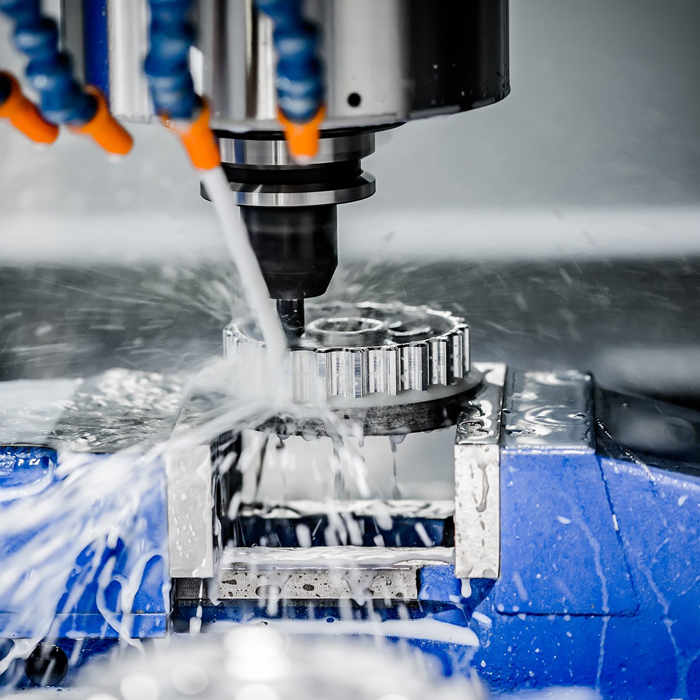
A machining center is a computer-controlled machine tool designed to perform multiple cutting operations in a single setup. Depending on its configuration, it can mill, drill, tap, bore, and ream a workpiece while an automatic tool changing system selects the required cutter. This setup reduces repeated fixture changes and helps maintain consistent positioning between operations. For B2B buyers, machining center selection can affect part quality, labor needs, production scheduling, and service planning. A CNC control system directs programmed movements along the machine axes, while the spindle, table, guideways, and workholding system support the cutting process. The right configuration depends on part size, geometry, material, batch pattern, and the number of faces that require machining.
Types of Machining Centers
Machining center types are generally classified by spindle direction, table arrangement, and how the workpiece is presented to the cutting tool. The two most common configurations are the vertical machining center and the horizontal machining center. A vertical model positions the spindle above the worktable, making it suitable for many general milling operations, molds, plates, and small to medium-sized components. A horizontal model positions the spindle parallel to the floor and can provide access to several workpiece faces, often reducing manual repositioning. Other classifications include three-axis, four-axis, and five-axis arrangements, although the best choice should be based on the required part geometry rather than axis count alone. Buyers should also compare the work envelope, tool capacity, control functions, chip removal, fixture access, and after-sales support before choosing a model.
Vertical Machining Center
A vertical machining center is often chosen for its accessible worktable and straightforward setup. Operators can clearly see the fixture and cutting area, which can make inspection and tool adjustment easier. This configuration suits mold components, mechanical plates, brackets, housings, and parts that require drilling and milling from above. MAKCNC offers several vertical models, including the vertical machining center MV1380, the MV1270, the MV1160, and the MV970. Each purchasing project still requires engineering review because a model name alone does not determine suitability. Confirm the part envelope, fixture height, spindle requirements, material, programming method, and planned production volume. For small-batch work involving several faces, buyers should ask whether the machine can complete more surfaces in one setup.
Horizontal Machining Center
A horizontal machining center uses a spindle oriented parallel to the worktable. This layout can make multi-face machining more practical, particularly when the fixture and rotary arrangement allow the workpiece to present different surfaces to the tool. It is often considered for housings, transmission components, structural parts, and production work that benefits from chip evacuation away from the cutting zone. A horizontal design may require more planning for loading, fixture selection, and factory space. It can also involve a different operator workflow than a vertical machine. Before ordering, sourcing managers should provide sample drawings, material information, target operations, fixture concepts, and the expected machining sequence. Review the horizontal machining center option with the supplier to confirm whether its layout suits the intended process.
Features That Affect Machine Selection
The main features of a machining center work together rather than functioning as isolated specifications. The casting supports rigidity, guideways control axis movement, ball screws transmit positioning motion, and the spindle provides cutting rotation. MAKCNC machines commonly use high-strength cast iron structures, including resin-sand castings, with aging treatment intended to support long-term accuracy and rigidity. Core transmission components, including screws and guideways, are commonly selected from high-precision Taiwanese or German brands. Buyers should ask how these parts are integrated as a system because a premium component cannot compensate for poor alignment or unsuitable process design. For mold work, intelligent feedforward and over-quadrant jump compensation can help address overcut marks, quadrant marks, and vibration patterns. These functions should be assessed against actual sample parts and programming needs.
Why the Machining Center Definition Matters to Buyers
The term machining center covers several equipment configurations, so a basic definition should not be treated as a purchasing specification. Two machines may both be described by the same general term while offering different spindle orientations, workholding methods, axis arrangements, control functions, and service conditions. The following comparison helps turn the definition into a practical screening tool. It is especially useful when an engineering team, purchasing department, and export supplier use different terms for the same project requirements. Ask for a written technical proposal that links each requested operation to a machine feature. This approach reduces the risk of choosing equipment based only on a product name or a single headline specification.
| Buyer question | What it clarifies | Why it affects the choice |
|---|---|---|
| Which faces need machining? | Setup count and access direction | It may favor a vertical or horizontal layout and suitable rotary workholding. |
| What is the part geometry? | Axis movement and tool approach | Complex mold surfaces may need compensation functions and additional axis planning. |
| What is the production pattern? | Changeover and fixture priorities | Many part numbers in small batches require flexible setup and programming support. |
| What support is required? | Installation, training, and fault response | Service terms can affect the real operating cost after delivery. |
Machining Center Applications
Applications for a machining center range from mold production to general component manufacturing. Mold makers may use a vertical configuration for cavity, core, electrode, and plate work where surface quality and toolpath control are important. Machinery manufacturers can use this equipment for brackets, housings, shafts with milled features, flanges, and other fabricated components. In multi-variety, small-batch production, a machine that supports several operations in one clamping can reduce handling and help preserve positional consistency. A supplier should review the drawing and process route before recommending a model. When a part also requires turning, a CNC lathing machine may be needed as part of the wider production plan. MAKCNC provides a separate CNC lathing machine range for buyers comparing turning and milling equipment.
Machining Center Price Factors
Machining center price varies according to configuration, machine size, control system, spindle arrangement, axis count, tooling package, automation, workholding, inspection needs, and delivery scope. A lower initial quotation may exclude installation, training, special fixtures, export packing, or application testing, so procurement teams should request a complete commercial list. The required production process also influences value. A machine that completes several faces in one setup may reduce handling, while a simpler model may be more suitable for occasional work and lower investment exposure. MAKCNC supports single-unit purchasing without a hard minimum order requirement, while multiple-machine orders may receive better commercial terms for price, delivery, or service. Typical delivery planning is one to six months, depending on the project and configuration. Request a current quotation based on drawings and process details.
Machining Center User Guide
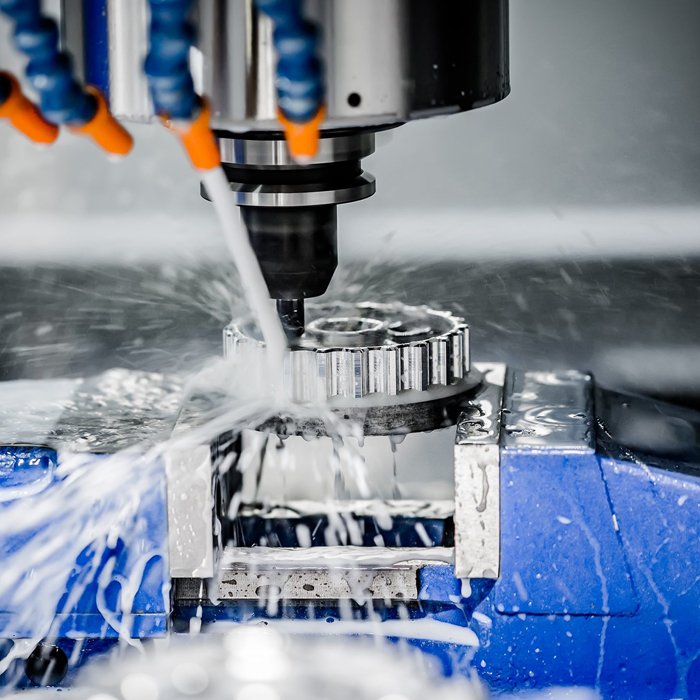
Safe and effective use starts before the first cutting cycle. Confirm that the foundation, power supply, working space, lifting plan, coolant arrangement, and chip handling method match the supplier’s installation requirements. After installation, check axis reference positions, tool offsets, workpiece alignment, lubrication, guarding, and program simulation. Operators should begin with a controlled trial part and record cutting conditions, tool life, surface results, and dimensional checks. For multi-face work, fixture repeatability and datum selection deserve special attention because setup errors can affect every later operation. Schedule routine cleaning and inspection of the table, guideways, tool interface, coolant system, and chip area. MAKCNC generally provides a 12-month whole-machine warranty after acceptance, with lifetime paid service available. Some tenders require three years of free warranty, so confirm the requested terms before signing the order.
Machining Center Supplier Selection
A reliable machining center supplier should provide more than a catalog page. Review the supplier’s manufacturing history, production resources, available sample machines, technical communication, export documents, installation plan, spare-parts process, and response commitments. MAKCNC was established in 2016 and operates multiple production lines with sample machines in stock. Its equipment design uses high-strength cast structures, aging treatment, and high-precision transmission components from Taiwanese or German brands in relevant configurations. The engineering focus includes system coordination for rigidity and accuracy, as well as control functions for mold-processing challenges such as overcut marks, quadrant marks, and vibration patterns. Mature service arrangements typically target response within eight hours and on-site arrival within 48 hours, subject to location and contract terms. Buyers can review about MAKCNC before requesting a technical and commercial proposal.
FAQ of Machining Centers
What Is a Machining Center?
A machining center is a computer-controlled machine tool that combines multiple cutting operations on one equipment platform. It normally includes a spindle, worktable, axis drive system, control unit, tool changing arrangement, and protective enclosure. The exact configuration varies by model and application. Some machines are designed for general milling, while others support multi-face work, mold processing, or specialized production routes. For buyers, the definition is only the starting point. The next step is to match the workpiece, material, operations, fixture plan, and production pattern with a specific machine proposal. This prevents a general product category from being mistaken for a complete technical recommendation.
How Does a Machining Center Work?
A machining center works by following a programmed toolpath that controls spindle rotation, axis movement, feed motion, and cutting sequence. The operator first secures the workpiece, establishes the datum, loads the tools, enters or transfers the program, and checks offsets. During the cycle, the control system sends commands to the drive units, which move the table, spindle, or workpiece along the planned axes. The tool changer can select different cutters for drilling, milling, tapping, or other operations. After machining, the operator inspects the part and adjusts offsets when required. Process results depend on programming, fixture rigidity, tool condition, material, cutting conditions, and machine alignment, so training and trial production remain important.
What Are the Main Types of Machining Centers?
The main types of machining centers are vertical and horizontal configurations, with further differences based on axis count, table design, automation, and workholding. A vertical machining center places the spindle above the table and is often selected for accessible general milling and mold work. A horizontal machining center places the spindle parallel to the table and may support practical multi-face processing when used with suitable fixtures. Three-axis, four-axis, and five-axis arrangements describe the available coordinated movements, but they should not be selected without reviewing the part geometry. Ask the supplier to explain the setup sequence, tool approach, fixture requirements, control functions, and inspection method for your actual parts.
Choose MAKCNC for Your Machining Center Project
MAKCNC supplies CNC machining centers, CNC lathing machines, and CNC machines for manufacturers, engineers, sourcing managers, wholesalers, and business owners. Since its founding in 2016, the company has developed multiple production lines and maintains sample machine inventory for selected projects. There is no hard minimum order requirement, so a single machine can be purchased, while multiple units may support improved commercial terms for price, delivery, or after-sales service. Our technical team can review drawings, production goals, machine orientation, fixture needs, and export requirements before preparing a proposal. If you are looking for a machining center supplier, contact MAKCNC for the latest equipment quotation and project support.